AA Issues Crucial Thermal Management Guidance: Safeguarding Your EV Battery From Extreme Heat
As electric vehicle adoption surges globally, extreme weather conditions are increasingly becoming a focal point for owners and industry experts alike...
Editorial Team
World Of EV
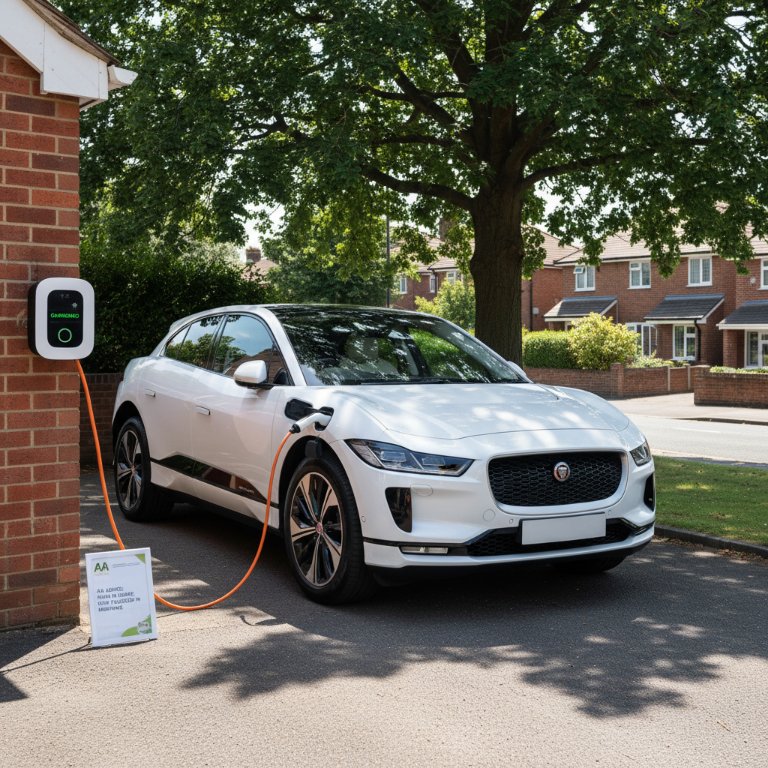
As electric vehicle adoption surges globally, extreme weather conditions are increasingly becoming a focal point for owners and industry experts alike. The UK's Automobile Association (AA) has stepped forward with vital guidance, empowering EV owners to proactively protect one of their vehicle's most critical and expensive components: the battery. This isn't just about comfort; it's about preserving longevity and maximizing the return on investment for savvy EV enthusiasts.
Unlike internal combustion engines, which grapple with overheating, EV batteries face a different kind of thermal stress. High temperatures can accelerate degradation, impacting range, performance, and ultimately, the lifespan of the battery pack. The AA’s recommendations cut directly to the core of this challenge, offering practical steps that every EV owner should integrate into their routine.
The AA's Directives for Thermal Protection
The AA's advice centers on two primary, yet often overlooked, strategies for mitigating heat-related battery stress:
- Seek the Shade, Especially While Charging: Parking an EV in direct sunlight, particularly during peak heat hours, dramatically increases the battery's internal temperature. This effect is exacerbated when the vehicle is charging, as the charging process itself generates heat. Opting for shaded parking, whether under a tree, a building, or a covered garage, significantly reduces the thermal load on the battery pack.
- Stay Plugged In for Active Cooling: If shade isn't an option, the AA recommends keeping the EV plugged into a charger. This seemingly counterintuitive advice is rooted in the sophisticated thermal management systems present in most modern EVs. When plugged in, the vehicle can draw power directly from the grid to operate its cooling systems (e.g., liquid cooling, fans) without dipping into the battery's stored energy. This allows the car to actively maintain an optimal battery temperature, preventing heat buildup and conserving the battery's charge cycle.
Understanding the Enemy: Heat's Impact on EV Batteries
To truly appreciate the AA's guidance, it's essential to understand why heat is such a formidable adversary for EV batteries. The lithium-ion cells powering today's EVs operate most efficiently within a specific temperature range, typically around 20-25°C (68-77°F). Exposing these cells to sustained high temperatures accelerates undesirable chemical reactions within the battery. This leads to the breakdown of electrolyte, the formation of solid electrolyte interphase (SEI) layers, and ultimately, a reduction in the battery's ability to hold a charge – a phenomenon known as capacity fade. While all batteries degrade over time, excessive heat significantly hastens this process, potentially shaving years off a battery's expected lifespan and reducing its residual value. Automakers like Tesla, BYD, and others invest heavily in liquid-cooling systems, but even these advanced setups can be overwhelmed by extreme ambient conditions without proactive owner intervention.
Why This Matters:
- Empowering Owners, Preserving Assets: Owners who adopt these practices stand to significantly extend their battery's lifespan, thereby maintaining better range, performance, and crucial resale value. In an era where battery replacement costs can be substantial, proactive care translates directly into long-term savings. This knowledge empowers the consumer, moving beyond simple charging habits to intelligent thermal management.
- A Call for Smarter Design and Education: While current EV thermal management systems are robust, the need for this public guidance highlights that user behavior remains a critical variable. This could subtly push automakers to not only enhance passive cooling solutions but also integrate more intuitive, in-car prompts and educational resources about thermal care during extreme weather events. It signals a maturation of the EV market, where user education is as vital as technological advancement.
- Maintaining Public Confidence: Battery degradation remains a concern for some hesitant buyers. By providing clear, actionable advice, organizations like the AA help demystify EV ownership and build confidence in the longevity and reliability of electric vehicles, even in challenging environmental conditions. This proactive approach helps counter narratives about battery fragility and reinforces the message that with proper care, EV batteries are designed for the long haul.
The Future is Cool
The AA's timely advice underscores a fundamental truth about EV ownership: maximizing your vehicle's potential requires a slightly more nuanced approach than merely filling a tank. Proactive thermal management, particularly in the face of increasingly common extreme heat events, is not just a best practice but a critical component of responsible EV stewardship. As the EV revolution continues to unfold, a well-informed driver base, coupled with evolving vehicle technology, will ensure that electric mobility remains efficient, sustainable, and reliable for years to come.