BMW i4 M60 Charges Ahead: A 'Proper BMW' Electrified, But At What Cost?
Top Gear's recent deep dive into the 2026 BMW i4 hails it as a "proper BMW that just happens to be electric," a declaration that resonates deeply with...
Editorial Team
World Of EV
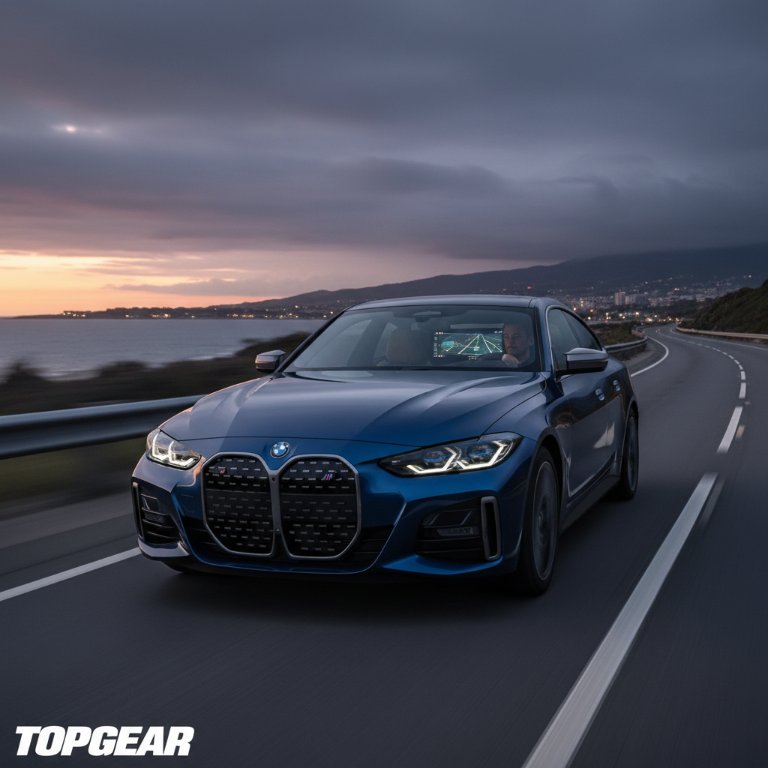
Top Gear's recent deep dive into the 2026 BMW i4 hails it as a "proper BMW that just happens to be electric," a declaration that resonates deeply within the rapidly evolving EV landscape. This isn't just another electric car; it's BMW's refined answer to the growing challenge from dedicated EV manufacturers, showcasing their commitment to retaining their revered driving dynamics even as the powertrain shifts dramatically.
For years, BMW navigated its initial EV steps with varied success, from the pioneering, purpose-built i3 to its 'Power of Choice' strategy that saw electrification integrated into existing platforms. The i4, particularly the 2026 iteration, stands as a critical refinement of that strategy, attempting to marry traditional BMW excellence with zero-emission propulsion. This generation of the i4, while not built on BMW's upcoming dedicated 'Neue Klasse' EV architecture, serves as a crucial bridge, demonstrating how effectively BMW can electrify its established CLAR platform, setting a high bar for its future pure-EV models.
Refined Power and Range Across the Lineup
BMW offers the 2026 i4 in several compelling variants, catering to a spectrum of performance and range needs:
- eDrive35 (RWD): Delivers a healthy 282bhp, providing a robust driving experience with an estimated range of 319 miles.
- eDrive40 (RWD): Steps up the power to 335bhp, offering an impressive range of up to 380 miles, making it a strong contender for long-distance cruising.
- M60 (AWD): The performance flagship, formerly known as the M50, unleashes a formidable 593bhp. It rockets from 0-62mph in just 3.7 seconds and still manages a respectable 338 miles of range, showcasing BMW M's serious intent in the electric arena.
Retaining the Ultimate Driving Machine DNA
Top Gear's assertion that the i4 handles like a "genuine BMW" is arguably its most significant compliment. In an era where many EVs prioritize straight-line acceleration, BMW clearly focused on preserving its signature blend of steering feel, chassis balance, and dynamic agility. This focus ensures that the transition to electric power doesn't dilute the brand's core appeal. However, the review also candidly notes that the i4 "able to feel its weight," a common byproduct of battery-heavy EVs built on platforms also designed for internal combustion engines.
Tech Evolution Meets Fierce Competition
Inside, the 2026 i4 features an updated dashboard dominated by a large, integrated screen, bringing it in line with modern luxury EV aesthetics. This digital cockpit aims to enhance user experience, though Top Gear's mention of "some interior operation niggles" suggests there may still be room for refinement in usability. The i4 directly targets market leaders like the Tesla Model 3 and Polestar 2. While the i4 offers a premium interior and traditional luxury feel, it faces the Model 3's relentless software innovation and supercharging network, and the Polestar 2's minimalist design and integrated Google Automotive OS. BMW's challenge is to justify its "pricey" tag against these established and often more cost-effective rivals.
Why This Matters:
The 2026 BMW i4 is more than just another electric car; it's a critical barometer for BMW's current electrification strategy. For enthusiasts and prospective buyers, it signifies whether BMW can truly deliver the 'Ultimate Driving Machine' experience without the internal combustion engine. The i4 proves BMW can craft an engaging EV on a multi-energy platform, but it also subtly highlights the inherent compromises – namely, the car's discernible weight – when not starting with a 'skateboard' architecture designed purely for electric propulsion.
This refined i4 lineup, particularly the potent M60, is BMW's emphatic statement to the market: they are serious about high-performance EVs, and their M division will adapt, not just adopt. The move from 'M50' to 'M60' for the top-tier variant signifies a confident progression in BMW's electric M branding. The i4's success or struggles in competing with the likes of Tesla and Polestar will heavily influence perceptions as BMW gears up for its dedicated 'Neue Klasse' EV platform. If the i4 can attract new buyers and retain loyalists with its blend of performance and luxury, it will validate BMW's measured approach to electrification, proving that a 'proper BMW' can indeed be electric, even if it carries a premium and a bit of extra mass. If not, it underscores the urgent need for the 'Neue Klasse' to fully unleash BMW's electric potential.
The Road Ahead for BMW's Electric Future
The 2026 BMW i4 represents a significant, highly capable evolution of BMW's electric vision on its current architecture. It delivers genuine BMW driving dynamics and impressive performance, solidifying its place as a formidable contender in the premium electric sedan segment. While facing stiff competition and some minor operational quirks, the i4 sets a compelling standard, paving the way for BMW's fully dedicated electric future and affirming that the brand's legendary driving experience can thrive in the electric era.