BMW Leverages Millions of Active EVs to Cure the Broken Charger Nightmare
On a long-distance electric vehicle trip, nothing induces a cold sweat faster than pulling up to a fast-charging station only to find the screens dark...
Editorial Team
World Of EV
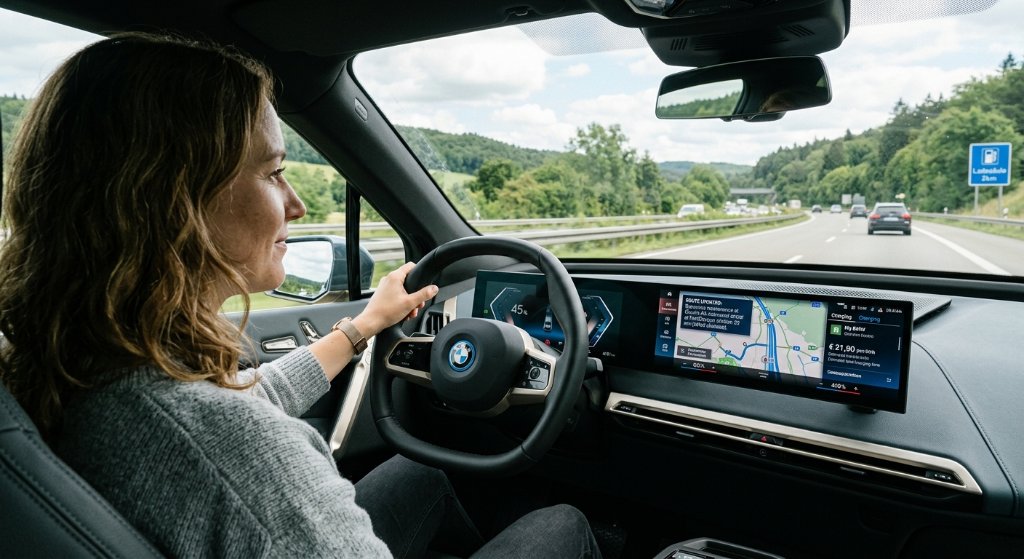
On a long-distance electric vehicle trip, nothing induces a cold sweat faster than pulling up to a fast-charging station only to find the screens dark, the cables cut, or a line of frustrated drivers waiting. BMW is aiming to make those nightmares a thing of the past. By leveraging live, crowdsourced telemetry from its massive global fleet, the German luxury automaker is turning every active BMW on the road into a real-time scout for charging infrastructure.
For years, legacy automakers struggled to match the gold-standard navigation experience pioneered by Tesla's vertically integrated Supercharger network. While competitors relied on slow, third-party databases to list chargers—which frequently led drivers to broken or offline plugs—BMW’s new updates represent a major paradigm shift. Instead of waiting for network operators to report their own downtime, BMW is using real-time fleet data to build a living, breathing map of the global charging landscape.
Crowdsourced Intelligence: How BMW's System Works
BMW's updated intelligent route planning dynamically tracks over 3.1 million global charging points by continuously aggregating live data from millions of active vehicles. This fleet-based data loop acts as a diagnostic sensor for the public charging network. If a BMW driver plugs in and experiences an issue, or if a vehicle detects an offline station, that telemetry is immediately uploaded to the cloud and shared with the rest of the fleet.
Key features of this update include:
- Dynamic Fault and Maintenance Tracking: The navigation system actively flags faulty charging stations, ongoing maintenance, and network outages, allowing the routing engine to bypass unreliable stops.
- Live Network Congestion Monitoring: Drivers are warned of high-traffic charging hubs and queued vehicles, with the system proactively suggesting alternative stations.
- Complete Cost and Time Transparency: Through the My BMW and MINI apps, users can view precise charging times, custom charging curves, and upfront pricing before arriving.
- Tailored Destination Settings: Drivers can specify their preferred arrival state of charge (SoC) in five-percent increments and filter for their preferred energy providers.
From App to Asphalt: The Seamless Planning Experience
The update bridges the gap between pre-trip planning and active driving. Users can map out their entire journey on their smartphones using the My BMW app, tweak charging preferences from the comfort of their home, and seamlessly push the final itinerary to the vehicle’s infotainment system.
Crucially, because the routing is integrated directly into the vehicle's thermal management system, the car automatically pre-conditions the high-voltage battery en route to a planned stop. This ensures the battery is at its optimal temperature upon arrival, maximizing charging speeds and cutting down on total travel time.
Why This Matters:
This is a massive software play that signals a fundamental shift in how legacy OEMs must compete in the EV era.
Historically, the Achilles' heel of non-Tesla EV ownership has been "charger roulette." By crowdsourcing diagnostic and queue data from millions of connected vehicles, BMW is utilizing its massive volume as a strategic weapon. They have effectively bypassed the unreliability of third-party public charging networks by letting their own fleet audit the infrastructure in real time.
- The Winners: BMW and MINI drivers, who gain a layer of road-trip predictability previously reserved only for Tesla owners. This also builds immense trust for prospective buyers transitioning from internal combustion engines.
- The Losers: Third-party EV routing and mapping apps. With BMW offering deeply integrated, real-time crowdsourced navigation that directly controls the vehicle's battery pre-conditioning, third-party apps like PlugShare or A Better Routeplanner (ABRP) lose a significant portion of their competitive advantage.
- The Market Signal: Software integration and real-time data orchestration are the new EV battlegrounds. It is no longer enough to build an EV with a large battery and fast charging speeds; automakers must own the digital ecosystem to ensure those hardware specs can actually be utilized seamlessly in the real world.
Conclusion
By turning its active global fleet into a real-time sensor network, BMW is taking a proactive, software-first approach to solving the public charging crisis. As the automaker prepares for its highly anticipated Neue Klasse EV generation, building this robust digital foundation is a critical step. For BMW, the road to EV dominance isn't just paved with batteries—it's driven by data.