BMW's Electric SUV Conundrum: Is the iX Still the Smart Buy as the Next-Gen iX3 Looms?
The world of premium electric SUVs is heating up, and BMW is at the forefront of a fascinating internal debate. Prospective buyers are now faced with ...
Editorial Team
World Of EV
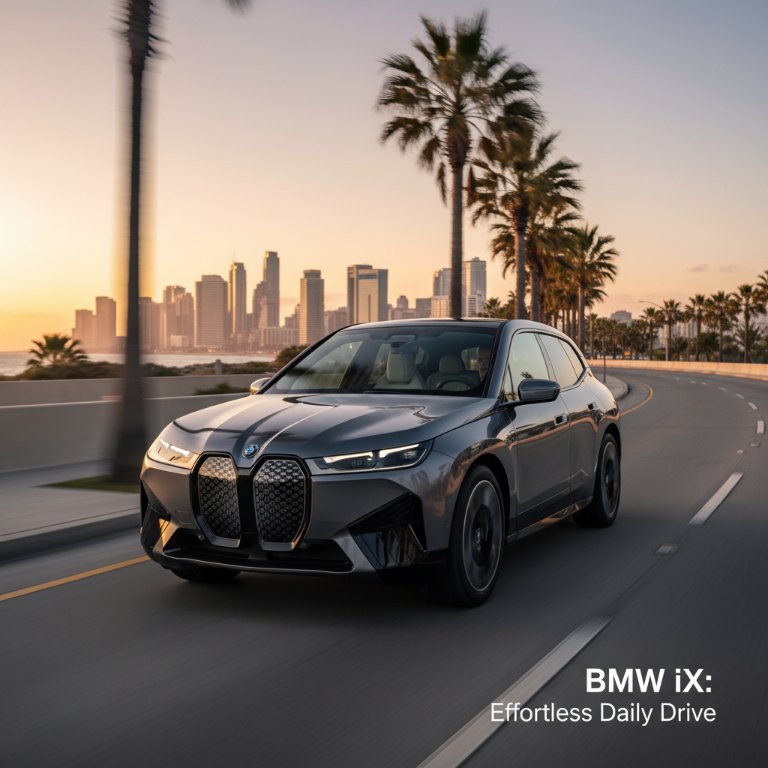
The world of premium electric SUVs is heating up, and BMW is at the forefront of a fascinating internal debate. Prospective buyers are now faced with a significant decision: embrace the established, luxurious comfort of the current BMW iX, or hold out for the highly anticipated, next-generation iX3, which promises advancements in crucial EV metrics. This isn't just about two models; it's a pivotal moment reflecting BMW's evolving electric vehicle strategy, moving confidently into a new era of purpose-built EVs.
\n\nFor years, BMW navigated the early EV landscape with a blend of dedicated platforms and adapted internal combustion engine (ICE) architectures. The original iX3, for instance, shared its underpinnings with the popular X3 SUV, a pragmatic approach for initial market entry. The iX, however, marked a bold departure, introducing a dedicated EV platform designed from the ground up to deliver a distinct electric driving experience. Now, with a new iX3 on the horizon, built with lessons learned and future technologies integrated, BMW presents a compelling, albeit complex, choice for discerning EV enthusiasts.
\n\nThe Established Contender: BMW iX's Enduring Appeal
\n\nDespite the impending arrival of its more technically advanced sibling, the BMW iX retains a formidable position in the luxury electric SUV segment. Its strengths lie in areas that deeply resonate with premium buyers:
\n\n- \n
- Unparalleled Comfort and Refinement: The iX is lauded for its larger dimensions, exceptional cabin quietness, and superior ride comfort, making it an ideal companion for daily commutes and long-distance travel. \n
- A Daily Driving Benchmark: Many industry experts, ourselves included, consider the iX one of the best electric cars BMW has ever built for day-to-day usability and driving pleasure. \n
- Value Proposition: For those prioritizing immediate luxury and comfort, the iX continues to make immense sense, especially if attractive lease or purchase deals are available, potentially offering a premium experience at a more accessible entry point. \n
The Next-Gen Challenger: What the Upcoming iX3 Brings
\n\nThe arrival of the next-generation iX3 signals a significant leap forward for BMW's electric compact SUV offering. While specifics are still emerging, the consensus points to substantial improvements designed to meet the escalating demands of the modern EV market:
\n\n- \n
- Extended Range: Expect a notable increase in driving range, directly addressing one of the primary concerns for many prospective EV buyers. \n
- Faster Charging Capabilities: The iX3 is set to benefit from advancements in battery technology and charging architecture, allowing for quicker top-ups and enhanced convenience.
- Refined Interior Ergonomics: BMW is known for its driver-centric cabins, and the upcoming iX3 is anticipated to feature even more advanced and intuitive interior ergonomics, enhancing the overall user experience. \n
Why This Matters:
\n\nThis internal competition within BMW's electric SUV lineup is more than just a spec sheet comparison; it's a strategic move that profoundly impacts both the market and the consumer. For the savvy EV enthusiast, this signals BMW's growing maturity in the electric space, moving beyond transitional models to offer highly specialized and optimized electric vehicles.
\n\nWho wins? Ultimately, the consumer. Those prioritizing immediate, expansive luxury, whisper-quiet refinement, and a truly sublime daily driving experience will find exceptional value in a well-dealt iX. Conversely, buyers with a keen eye on future-proofing, seeking the latest advancements in range, charging efficiency, and cutting-edge interior tech, will gravitate towards the iX3. This dynamic also creates pressure on BMW to make the iX even more appealing through incentives, thereby enriching the current buyer's market.
\n\nWhat does this signal to the market? It's a clear indication that BMW is committed to segmenting its EV offerings, catering to diverse preferences within the premium electric vehicle landscape. It shows a brand capable of offering both a grand, dedicated electric flagship and a highly competitive, technologically advanced volume seller, ensuring they remain a dominant force in the rapidly expanding EV market.
\n\nIn conclusion, the choice between the BMW iX and the upcoming iX3 is a fascinating dilemma that underscores the rapid evolution of the electric vehicle market. It's a testament to BMW's ambition to offer compelling choices across the luxury EV spectrum, ensuring that whether you prioritize opulent comfort now or cutting-edge efficiency for tomorrow, there’s a BMW electric SUV perfectly tailored to your journey. The future of BMW's electric lineup looks not only diverse but exceptionally competitive.
" } ```