Bridging the Charging Divide: How Tribal Initiatives Are Paving the Way for Inclusive EV Adoption
The promise of electric vehicles often conjures images of seamless road trips and readily available charging. However, a recent account from 'Charging...
Editorial Team
World Of EV
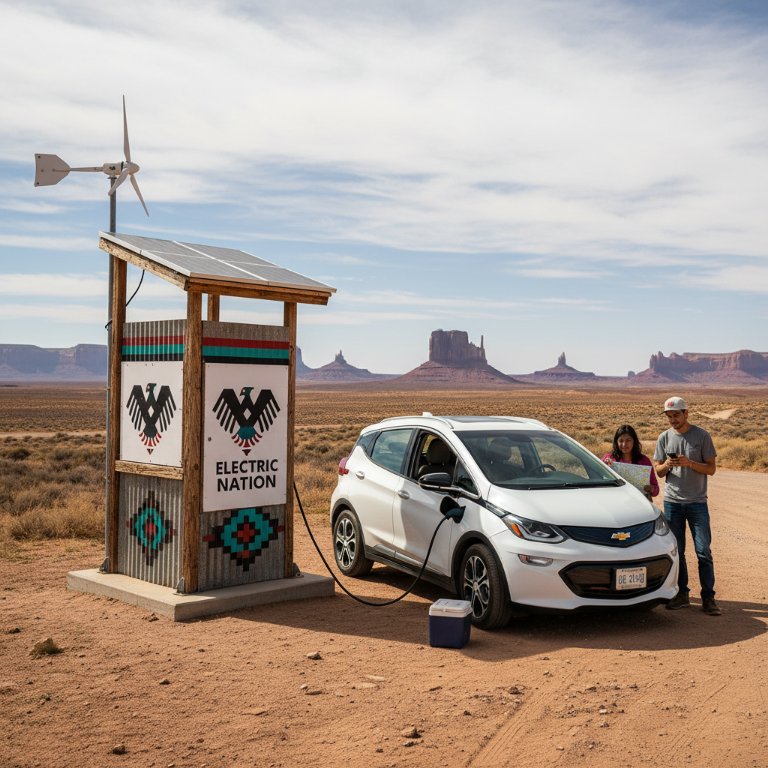
The promise of electric vehicles often conjures images of seamless road trips and readily available charging. However, a recent account from 'Charging the Rez' starkly reminds us that this vision remains a distant reality for many, particularly within America's tribal nations. This critical gap in infrastructure, often overlooked by formal planning, presents a significant hurdle for EV enthusiasts and industry alike, but innovative tribal-led solutions are now emerging to ensure no community is left behind in the electrification revolution.
Driving an electric vehicle across vast stretches of tribal lands, as evidenced by a challenging Chevy Bolt journey across the Navajo Nation, is not for the faint of heart. The experience highlighted an acute range anxiety, demanding meticulous route planning, slow driving, and an almost obsessive search for the rare charging station. This isn't merely an inconvenience; it underscores a systemic oversight in the national EV charging rollout, which has historically prioritized dense urban centers and major interstate corridors, inadvertently creating 'charging deserts' in rural and sovereign territories. For the savvy EV owner, this means rethinking fundamental assumptions about EV travel beyond the well-trodden paths.
The Harsh Reality of EV Travel on Tribal Lands
The narrative from the Navajo Nation serves as a potent microcosm of a broader issue. Unlike the burgeoning charging networks seen in metropolitan areas or along major highways, tribal lands frequently lack even basic Level 2 charging infrastructure, let alone DC fast chargers. This forces EV drivers to contend with:
- Extreme Range Anxiety: Limited charging options transform typical commutes or journeys into high-stakes planning exercises.
- Extended Travel Times: Drivers must account for significant detours or lengthy charging stops at low-power outlets, fundamentally altering the perceived efficiency of EV ownership.
- Economic Barriers: The lack of accessible charging disproportionately impacts residents of tribal lands, potentially excluding them from the economic and environmental benefits of EV adoption.
Overlooked in the National EV Strategy
The irony is that while federal and state governments pour billions into EV infrastructure, the unique needs and geographical realities of tribal nations are frequently sidelined. Traditional infrastructure models often fail to engage with sovereign tribal governments effectively, leading to a top-down approach that doesn't account for localized needs or governance structures. This systemic omission risks creating a two-tiered EV ecosystem, where access to sustainable transportation is determined by geography and historical oversight.
Electric Nation: A Tribal-Led Solution Takes Charge
Amidst these challenges, groundbreaking initiatives like Electric Nation are demonstrating a powerful alternative. Instead of waiting for external solutions, Electric Nation embodies a philosophy where chargers are placed by tribes, for tribes. This grassroots approach ensures that infrastructure development is:
- Community-Centric: Charging stations are located where they are most needed and accessible to tribal members.
- Culturally Relevant: Planning and deployment respect tribal sovereignty and community values.
- Economically Empowering: The initiative can foster local job creation and economic development within tribal nations.
- Sustainable and Equitable: It guarantees that the future of electric mobility genuinely includes these vital communities, ensuring they are not left behind in the transition to clean energy.
Why This Matters:
This development isn't just a feel-good story; it represents a crucial paradigm shift in the broader EV landscape. The challenges faced on tribal lands expose a critical blind spot in national EV infrastructure planning, one that could significantly impede the country's overall climate goals if not addressed. Initiatives like Electric Nation are not merely filling a gap; they are forging a new, more inclusive model for infrastructure deployment that the entire industry needs to observe and emulate. This signifies a victory for equitable access to technology and self-determination for tribal nations, allowing them to participate fully in the clean energy transition on their own terms. For automakers and charging networks, this signals an urgent need to engage proactively with diverse communities and understand localized needs, rather than applying a one-size-fits-all approach. Ignoring these growing charging deserts risks alienating significant demographic segments, ultimately hindering the pace of widespread EV adoption.
The journey to a fully electrified transportation system is fraught with complexities, and the 'Charging the Rez' experience serves as a powerful reminder of the work that remains. However, the emergence of tribal-led initiatives like Electric Nation offers a compelling blueprint for how localized, community-driven solutions can overcome systemic challenges, paving the way for truly inclusive and sustainable EV adoption across all communities, regardless of their location on the map.