Cadillac's Electric Resurgence: Ultium Platform Fuels Mass Exodus from Tesla, Mercedes, and BMW
Cadillac, long a cornerstone of American luxury, is unequivocally rewriting its narrative in the electric vehicle landscape. Our exclusive analysis at...
Editorial Team
World Of EV
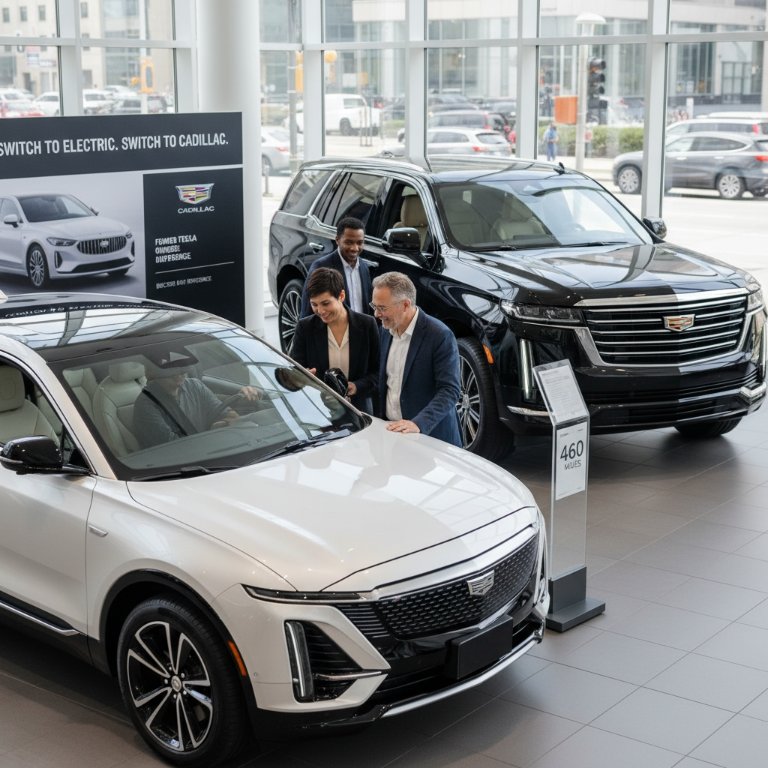
Cadillac, long a cornerstone of American luxury, is unequivocally rewriting its narrative in the electric vehicle landscape. Our exclusive analysis at "World Of EV" confirms a dramatic shift in consumer allegiance: a staggering three-quarters of Cadillac's new EV buyers are entirely new to the brand, signaling a seismic disruption in the premium EV market. This isn't just about attracting new blood; it's about drawing significant numbers from established luxury titans, with former Tesla owners representing the largest group of defectors.
For years, Cadillac, like many legacy automakers, navigated the nascent EV market with caution, often adapting internal combustion engine platforms or offering limited EV options. However, the brand's pivot to General Motors' dedicated Ultium platform has proven to be a masterstroke, allowing Cadillac to deliver compelling EVs that directly challenge and outperform key rivals.
Cadillac's Conquest: A Battle for EV Dominance
The data is clear: Cadillac isn't merely attracting entry-level EV curious buyers; it's converting discerning luxury EV owners. The significant defection from brands like Tesla, Mercedes-Benz, BMW, Audi, and Lexus underscores a critical vulnerability for these established players. Tesla, in particular, faces a formidable new competitor in Cadillac, as its previous loyalists are now actively seeking alternatives. This indicates a growing maturity in the EV market, where consumers are less tethered to a single brand and are actively shopping for superior offerings.
The Ultium Advantage: Range and American Preferences
The bedrock of Cadillac's newfound success lies squarely with the Ultium platform. This dedicated electric architecture provides the flexibility and scale necessary to engineer EVs that directly cater to American consumer preferences, particularly for substantial range and larger vehicle formats. While early EVs often grappled with range anxiety or compromised on size, Ultium-powered Cadillacs are delivering impressive figures:
- Cadillac Lyriq: Offers a robust 326 miles of range.
- Cadillac Escalade iQ: Boasts an astounding estimated range of up to 460 miles.
These figures are not just competitive; they are class-leading in many respects, alleviating range concerns for long-distance travel and positioning Cadillac as a go-to choice for buyers seeking both luxury and practicality. The ability to offer larger, more traditionally American-sized vehicles without compromising efficiency or performance is a significant differentiator.
Why This Matters:
This news represents far more than just a win for Cadillac; it's a profound validation of GM's multi-billion-dollar investment in the Ultium platform and a wake-up call for the entire luxury automotive industry. Cadillac’s ability to lure such a high percentage of new customers, especially from formidable competitors like Tesla, signals a critical shift in market dynamics.
Who Wins? Cadillac and, by extension, General Motors, are the clear winners. This success injects new life into the Cadillac brand, establishing it as a serious and desirable player in the premium EV segment. It validates their strategy of developing a dedicated EV platform rather than adapting existing ICE architectures. Consumers also win, benefiting from increased competition and higher-quality, longer-range EV options.
Who Loses? Tesla, Mercedes-Benz, BMW, Audi, and Lexus are feeling the pressure. While they remain strong competitors, the rate of defection to Cadillac highlights that brand loyalty alone is insufficient to retain customers in a rapidly evolving market. Tesla, in particular, must address the appeal of Cadillac's luxury appointments and range, especially as the initial novelty of being an EV pioneer wears off. For European luxury brands, this serves as a potent reminder that a half-hearted EV effort will not suffice against truly committed players.
What Does This Signal? This signals a new era where legacy automakers, when fully committed with bespoke EV platforms, can not only compete but strategically outperform early EV leaders. It underscores the critical importance of range and vehicle size for the North American market. Furthermore, it suggests that the initial 'EV halo' of brands like Tesla is giving way to a more nuanced purchasing decision based on luxury, features, and robust engineering.
Cadillac has not just entered the luxury EV arena; it has stormed the gates, leveraging the advanced Ultium platform to deliver a compelling product that resonates deeply with discerning buyers. This dramatic influx of new customers, particularly from direct competitors, solidifies Cadillac's position as a major force in the premium electric segment. The battle for the future of luxury mobility has intensified, and Cadillac is clearly a frontrunner to watch.