ChargePoint's New Per-Session Fees Ignite Driver Outcry, Threatening Loyalty and Network Dominance
ChargePoint, a foundational pillar in the North American EV charging landscape, has ignited a firestorm of frustration among electric vehicle drivers ...
Editorial Team
World Of EV
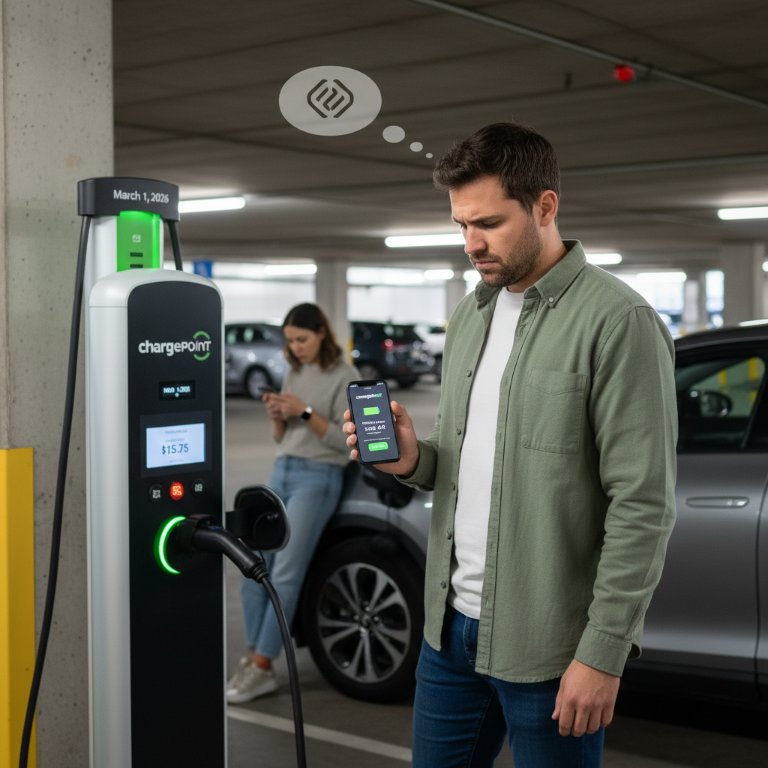
ChargePoint, a foundational pillar in the North American EV charging landscape, has ignited a firestorm of frustration among electric vehicle drivers with the implementation of standardized per-session service fees across its network. Effective March 1, 2026, these new charges, levied on top of existing energy costs set by station owners, represent a significant shift for a network that has long been a go-to for many EV enthusiasts. This move, intended by ChargePoint to bolster network reliability and customer service, instead risks eroding the very trust and loyalty it has built over years in a fiercely competitive and rapidly evolving industry.
The New Fee Structure
Under the new policy, ChargePoint account holders now face an additional $0.25 fee for every AC charging session and a more substantial $0.49 fee for each DC fast-charging session. For guest users, the costs are even higher, adding another layer of complexity and expense to an already variegated charging ecosystem. This isn't merely an incremental price adjustment; it's a fundamental change to the cost structure that drivers have come to expect, placing an unexpected financial burden on frequent users and potentially altering charging habits.
ChargePoint's Rationale Under Scrutiny
ChargePoint publicly states these fees are essential to “support reliability, customer service, and platform investment.” For years, the charging experience, particularly for public networks, has been plagued by issues ranging from non-functional chargers to inconsistent software. It’s an open secret that maintaining and upgrading a vast charging network is capital-intensive. However, the timing and direct pass-through nature of these fees suggest a potential struggle to balance operational costs with user expectations, raising questions about the network's long-term financial health and its strategy for sustainable growth amidst increasing competition.
Driver Backlash and the Search for Alternatives
The immediate fallout has been a wave of discontent. Social media channels and EV forums are abuzz with drivers expressing feelings of distrust and betrayal. Many are openly questioning their long-standing loyalty to ChargePoint and are actively exploring alternative charging networks such as Electrify America, EVgo, or even Tesla’s Supercharger network (increasingly open to non-Tesla EVs). This swift and negative reaction underscores a critical challenge for charging providers: while drivers demand reliable infrastructure, they are highly sensitive to perceived opaque pricing and unexpected additional costs.
Why This Matters:
This shift by ChargePoint is more than just a pricing adjustment; it's a critical inflection point for both the company and the broader EV charging industry.
Erosion of Trust and Market Share Risk: ChargePoint has long benefited from being an early and widespread player. This move, however, risks alienating its most loyal customers, pushing them towards competitors who offer simpler, more predictable pricing. In a market where charging access is still a primary concern for many prospective EV buyers, a reputation for unexpected fees could severely impact ChargePoint's growth and market share.
The True Cost of Reliability: While ChargePoint's stated goal of improving reliability is laudable, forcing drivers to directly shoulder these operational costs without a clear, immediate, and tangible improvement in service risks fostering resentment. The onus is now on ChargePoint to demonstrate a rapid and marked improvement in uptime and customer support to justify these new fees. Failure to do so could cement the perception that this is simply a revenue grab.
Industry Precedent and Fragmentation: This decision could set a troubling precedent. If other charging networks follow suit with similar per-session fees, the already complex public charging landscape will become even more fragmented and frustrating for drivers. Conversely, networks that resist this trend could gain a significant competitive advantage by offering transparent, energy-only pricing.
The Charging Business Model Under Pressure: The very existence of these fees highlights the inherent challenges in making public EV charging a profitable venture. High infrastructure costs, fluctuating energy prices, and the expectation of “free” or cheap charging from early adopters are colliding. This move by ChargePoint signals that the industry is still searching for a sustainable financial model, and for now, it seems some of those costs are being pushed directly onto the consumer.
Drivers Lose, Transparency Wins (Potentially): For the average EV driver, this directly translates to higher running costs and increased complexity. The “win” for drivers, if any, will come from a stronger push for competitive pricing and greater transparency across all networks. Drivers will become more discerning, actively seeking out networks that offer the best value and clearest pricing structures.
ChargePoint’s introduction of per-session service fees marks a pivotal moment for the company and the entire EV charging ecosystem. While the intention to enhance reliability is understood, the immediate consequence has been a surge of driver frustration and a palpable threat to customer loyalty. The coming months will be crucial as ChargePoint navigates this backlash, demonstrating whether these fees truly translate into a superior charging experience, or if they merely accelerate a migration of drivers towards more transparent and competitively priced alternatives, reshaping the future of public EV charging.