China's Soaring EV Repair Costs Signal a Hidden Hurdle to Mass Adoption
China, the global powerhouse of New Energy Vehicle (NEV) adoption, is grappling with a growing and uncomfortable truth: the cost of repairing these ad...
Editorial Team
World Of EV
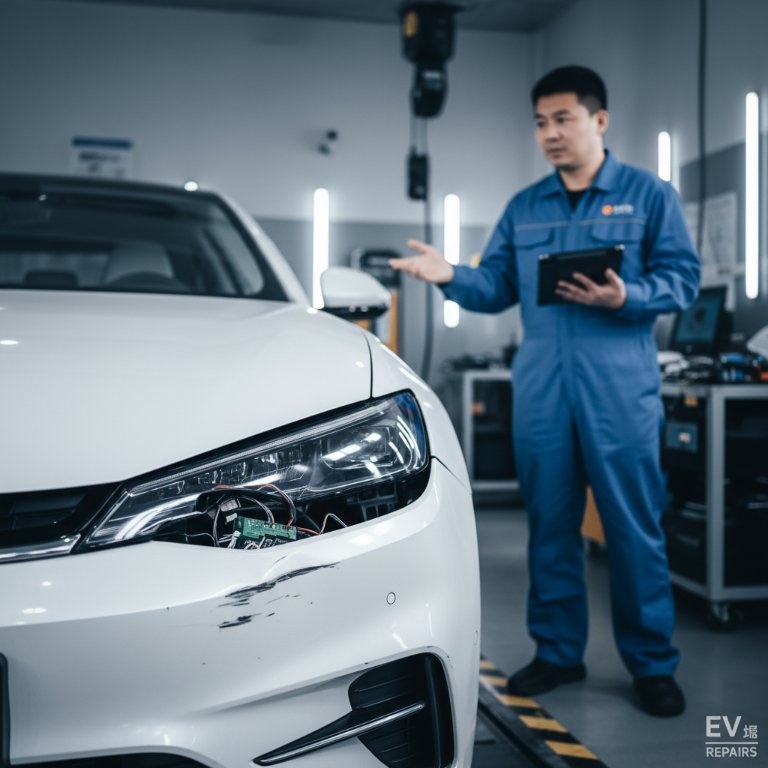
China, the global powerhouse of New Energy Vehicle (NEV) adoption, is grappling with a growing and uncomfortable truth: the cost of repairing these advanced machines can be astronomical. Recent reports from the mainland reveal a burgeoning public concern, with EV owners facing repair quotes as high as RMB11,916 (approximately RM6,800) for what are often described as minor collisions. This isn't just about an unfortunate accident; it points to a systemic issue that threatens to undermine the appeal of EVs for mainstream buyers and cast a long shadow over the industry's rapid expansion.
The High-Tech Headache: Why Minor Bumps Mean Major Bills
Unlike their internal combustion engine (ICE) predecessors, modern EVs are densely packed with highly integrated components, sophisticated electronic control systems, and intricate software calibrations. This technological leap, while delivering unparalleled performance and efficiency, presents a significant challenge when it comes to repairs. A seemingly innocuous fender bender can trigger complex diagnostic routines and necessitate the replacement of entire modules rather than localized component fixes. Traditional mechanical repairs, which often involved replacing individual parts, are rapidly becoming a relic of the past in the EV world.
This paradigm shift creates a ripple effect throughout the repair ecosystem:
- Lack of Specialized Expertise: Many vehicle mechanics, trained predominantly on ICE platforms, simply lack the specialized knowledge and equipment required to service NEVs effectively. This often leads to a default strategy of wholesale component replacement, rather than a more economical, targeted repair. The industry’s rapid pace of innovation has outstripped the training and skill development in the aftermarket sector.
- Proprietary Barriers for Independent Shops: Independent repair shops, crucial for offering competitive alternatives to dealership services, face formidable hurdles. They frequently struggle with limited access to proprietary automaker diagnostic software, essential for pinpointing and resolving electronic issues. Furthermore, obtaining genuine spare parts outside of the official dealer network can be a significant challenge, creating a virtual monopoly for OEMs and authorized service centers.
Why This Matters:
This escalating issue of high NEV repair costs is far more than a localized problem in China; it's a critical barometer for the global EV market. For consumers, particularly those contemplating their first EV purchase, the prospect of exorbitant repair bills significantly inflates the total cost of ownership (TCO), potentially negating the perceived savings from lower fuel costs and government incentives. This erodes the very economic rationale that drives many towards electrification. Who wins? Primarily, the original equipment manufacturers (OEMs) and their authorized dealership networks, who maintain tight control over diagnostics, parts, and service protocols. Who loses? Consumers, independent repair shops, and ultimately, the broader goal of accelerating EV adoption if these concerns aren't adequately addressed.
This situation signals a pressing need for industry-wide standardization, robust technician training programs, and a serious re-evaluation of 'right to repair' policies for NEVs. The current challenges could lead to a significant increase in insurance premiums for EVs, further dampening their appeal. If the industry fails to democratize repair knowledge and access, it risks alienating mainstream buyers and seeing a slowdown in what has been an otherwise unstoppable transition. This isn't a 'do-or-die' moment for individual companies, but it is a critical juncture for the sustained, healthy growth of the entire EV ecosystem.
The Road Ahead: A Call for Transparency and Accessibility
The rising concerns over NEV repair costs in China serve as a stark reminder that the journey to mass EV adoption involves more than just innovative powertrains and compelling designs. It requires a holistic approach that ensures affordability and accessibility throughout the vehicle's entire lifecycle. For the EV revolution to truly succeed, manufacturers, policymakers, and the aftermarket sector must collaborate to foster greater transparency, invest in comprehensive training, and break down proprietary barriers to ensure that minor bumps don't translate into major financial setbacks for owners. The future of electric mobility hinges on resolving these hidden costs.