Consumer Reports Sounds Alarm: Software and Electrical Gremlins Plague Key New EVs and PHEVs
Consumer Reports has once again delivered a critical assessment of new vehicle reliability, spotlighting several prominent electric vehicles (EVs) and...
Editorial Team
World Of EV
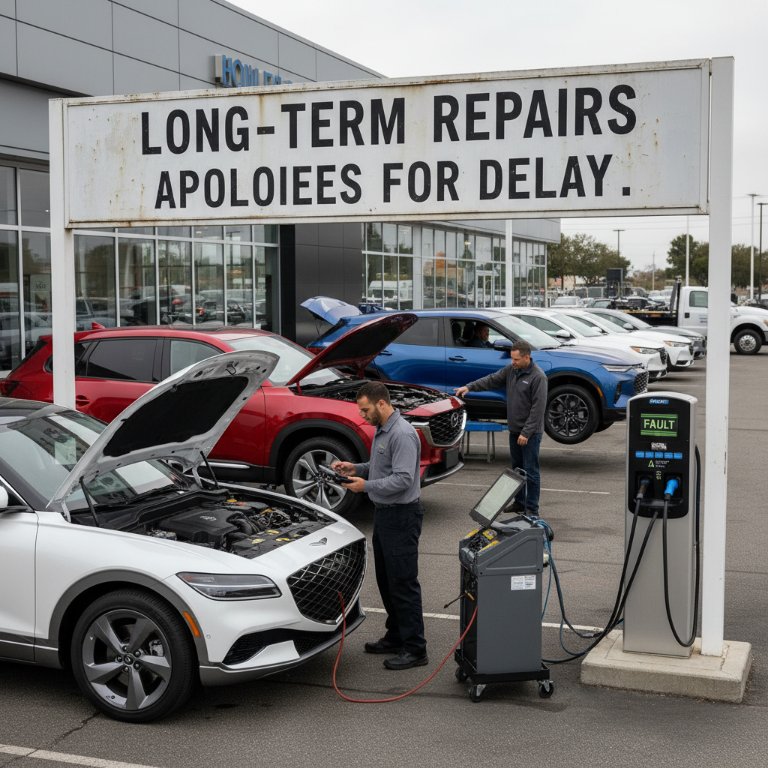
Consumer Reports has once again delivered a critical assessment of new vehicle reliability, spotlighting several prominent electric vehicles (EVs) and plug-in hybrids (PHEVs) among the least dependable models on the market. The findings underscore a persistent challenge for automakers transitioning to electrification: the intricate dance of software, electrical systems, and complex powertrains. Owners of these cutting-edge vehicles are frequently reporting serious issues, leading to inconvenient and often extended stays at dealerships for repairs.
The report identifies a troubling pattern of electrical gremlins, software bugs, and drivetrain malfunctions as primary culprits, affecting models from both established players and emerging luxury brands. This trend, while perhaps unsurprising to industry veterans, serves as a stark reminder that innovation without robust quality control can quickly erode consumer confidence.
Software, Electrical, and Drivetrain Woes Plague Key Models
Consumer Reports' latest data reveals specific pain points across several highly anticipated electrified vehicles:
- Genesis GV60: This luxury EV has suffered from a range of electrical issues, including problems with its Integrated Charging Control Unit (ICCU) and the EV battery, alongside in-car electrical system failures. Owners have reported scenarios of a completely dead 12-volt battery, even after short periods of being parked, and charging interruptions or overheating. The GV60's powertrain reliability scored particularly low in Consumer Reports' rankings, and it has been subject to multiple recalls related to electrical systems, potential loss of power, and infotainment glitches.
- Mazda CX-90 PHEV: Mazda's entry into the three-row PHEV segment has encountered significant hurdles with its hybrid powertrain, EV battery, electric motor, and fuel system. Complaints range from inaccurate fuel gauge readings that can cause the vehicle to run out of fuel unexpectedly, to engine start-stop system failures and loss of drive power when in EV mode due to faulty inverter software. The CX-90 PHEV's issues have notably impacted Mazda's typically strong reliability reputation.
- Chevrolet Blazer EV: This eagerly awaited electric SUV has been plagued by buggy software, charging failures, and drivetrain problems. Owners reported issues with intermittent electric heating systems, unresponsive touchscreens, flickering displays, and random warning lights. The Blazer EV's launch was marked by a temporary stop-sale order due to software quality problems, and it has accumulated numerous NHTSA complaints and multiple recalls, with early adopters experiencing repeated dealer visits and even stranding events.
These issues are not minor inconveniences; they frequently necessitate lengthy service appointments, leaving owners without their new vehicles for extended periods.
A Familiar Tune for Some Automakers
The challenges faced by these models highlight a broader trend, particularly for legacy automakers navigating the complex shift to electric powertrains. Mazda, for instance, has historically enjoyed a reputation for robust reliability with its internal combustion engine vehicles, but its foray into full electrification with models like the MX-30 (known for its limited range) and now the CX-90 PHEV reveals a steeper learning curve in hybrid and EV integration. The complexity of combining an internal combustion engine with an electric drive in a PHEV creates additional potential trouble spots, making them, on average, less reliable than conventional hybrids or gas-powered cars.
General Motors' Ultium platform, which underpins the Chevrolet Blazer EV, is crucial for the company's EV future. However, the Blazer EV's issues, including software glitches and electrical problems, echo the 'teething pains' often seen with new platforms, amplified by the vehicle's high-volume launch. Integrating sophisticated software systems and ensuring their seamless operation is a significant challenge for traditional automakers, often requiring new skill sets and a cultural shift within these companies.
Why This Matters:
This Consumer Reports exposé isn't just a list of unreliable cars; it's a critical warning shot for the entire EV industry and a vital piece of information for prospective buyers. For consumers, these reliability issues translate directly into frustration, significant downtime, and potentially higher ownership costs due to frequent repairs. The promise of a seamless, high-tech EV experience is severely undermined when a brand-new vehicle spends weeks at the dealership.
Who Wins? Brands that demonstrate consistent, high-quality software integration and rigorous pre-production testing stand to gain immense market trust. Traditional hybrid leaders like Toyota, for example, continue to show strong reliability, suggesting that a more measured, iterative approach to electrification can pay dividends.
Who Loses? The automakers featured in this report risk considerable reputational damage and lost sales. In an increasingly competitive EV landscape, initial quality issues can deter buyers for years. This is especially true for premium brands like Genesis, where customers expect flawless execution commensurate with the price tag. For Mazda, it threatens to tarnish a hard-earned reputation for dependability. For GM, while the Ultium platform is foundational, repeated software and electrical problems in high-volume models like the Blazer EV can erode confidence in their broader EV strategy.
What Does This Signal to the Market? The overarching message is clear: software is the new engine. The complexity of modern EVs, with their intricate electrical architectures and vast lines of code, demands a level of software development and validation that many legacy automakers are still struggling to master. This is not merely about mechanical prowess; it's about robust cybersecurity, seamless over-the-air (OTA) update capabilities that fix, rather than create, problems, and flawless integration of every electronic component. The automotive industry is in a critical transformation, and companies that fail to prioritize software quality and electrical system reliability risk being left behind.
Conclusion:
Consumer Reports' latest findings serve as a sobering reminder that the journey to widespread EV adoption is fraught with challenges. While the potential of electric vehicles remains immense, automakers must redouble their efforts to deliver on the promise of reliability and hassle-free ownership. The focus must shift from simply launching new models to ensuring these vehicles are thoroughly vetted, robustly engineered, and supported by mature software ecosystems. For prospective EV and PHEV buyers, exercising caution and researching long-term reliability reports remains paramount.