Cybertruck's Grid Gambit: Tesla Plugs into V2G, Reshaping Energy Future in Texas
Tesla, a company synonymous with pushing boundaries in electric vehicles and energy storage, has officially launched its first vehicle-to-grid (V2G) i...
Editorial Team
World Of EV
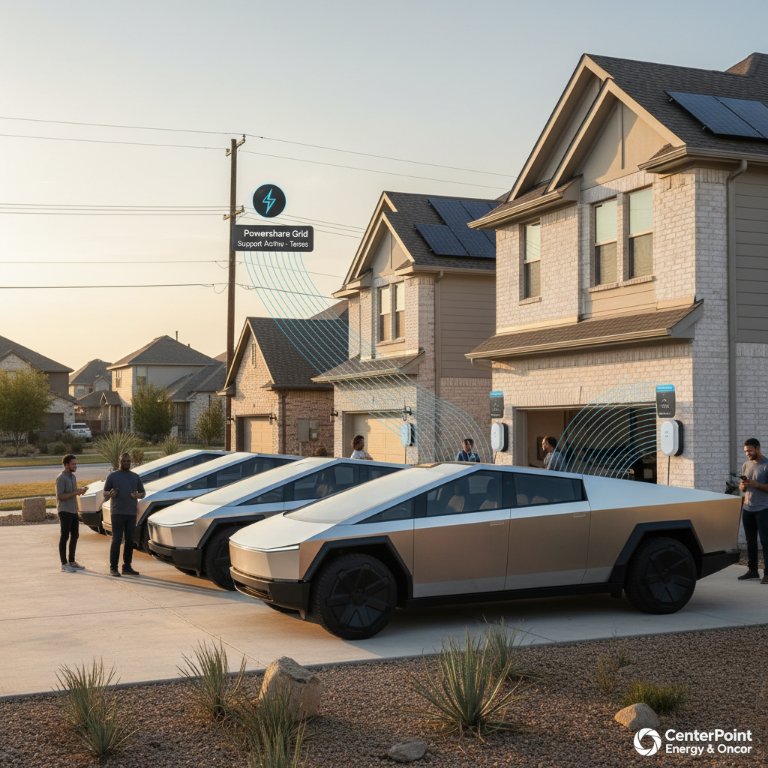
Tesla, a company synonymous with pushing boundaries in electric vehicles and energy storage, has officially launched its first vehicle-to-grid (V2G) initiative: the Powershare Grid Support Program. This groundbreaking program, initially exclusive to Cybertruck owners in Texas, isn't just about charging your vehicle; it’s about transforming it into an active participant in the energy grid, offering a glimpse into a decentralized, more resilient power future. After years of promising integrated energy solutions, Tesla is finally leveraging its most talked-about new vehicle to make good on that vision.
Powershare: Empowering the Grid and Your Wallet
The Powershare Grid Support Program empowers Cybertruck owners to send excess electricity back to the grid and, conversely, draw power when needed. The critical incentive for participants comes in the form of energy bill credits, directly rewarding them for their role in grid stabilization. This two-way energy flow, known as V2G, represents a significant leap from traditional vehicle-to-home (V2H) systems, which primarily focus on backup power for a single residence. While other manufacturers, notably Ford with its F-150 Lightning's 'Intelligent Backup Power,' have ventured into V2H, Tesla's move directly into V2G signals a more ambitious play in the broader energy market.
The Texas-Exclusive Launch Pad
For now, the Powershare Grid Support Program is a strictly Texan affair, limited to Cybertruck owners served by specific utility providers: CenterPoint Energy and Oncor. This geographic and utility-specific rollout suggests a strategic, measured approach by Tesla, likely focused on regions with dynamic energy markets and a high concentration of renewable energy sources that can benefit most from flexible distributed storage. To participate, owners must equip their homes with a Powershare Gateway and a Universal Wall Connector, the necessary hardware for bidirectional energy transfer. This initial limited scope allows Tesla to refine the system and gather crucial data before a potential broader expansion.
Why This Matters:
This isn't merely a new feature; it's a strategic declaration from Tesla, signaling a serious entry into the lucrative and critical realm of grid-integrated energy solutions. This move has profound implications across the industry:
Who Wins? Cybertruck owners in Texas are immediate beneficiaries, seeing tangible savings on their energy bills while actively contributing to grid stability. Tesla, too, wins by opening a new revenue stream and further integrating its ecosystem beyond just vehicles, solidifying its position as an end-to-end energy company. Finally, the Texas energy grid stands to gain immensely from a distributed network of mobile batteries, enhancing resilience, especially during peak demand or extreme weather events, and better integrating intermittent renewable energy sources like solar and wind.
Market Signal to the Industry: Tesla's embrace of V2G with the Cybertruck sends an undeniable message to the broader automotive and energy sectors: V2G is not a niche concept; it's a core component of the future energy landscape. This move puts pressure on other automakers to accelerate their own V2G development, particularly those with strong EV lineups. It also signals to utility providers the growing importance of partnering with EV manufacturers to manage decentralized energy resources.
Long-Term Implications: The Powershare program, even in its limited rollout, lays the groundwork for a more robust and resilient energy infrastructure. As more EVs become V2G-capable, the collective battery capacity could function as a massive virtual power plant, providing ancillary services to the grid, reducing the need for costly peaker plants, and accelerating the transition to renewable energy. This is a critical step towards democratizing energy and empowering consumers to be active participants in the energy transition.
Tesla's Powershare Grid Support Program, launching with the Cybertruck in Texas, marks a pivotal moment in the convergence of automotive and energy industries. It moves beyond theoretical discussions of V2G to a practical, incentivized application, setting a precedent for how electric vehicles will not only transport us but also power our homes and stabilize our grids. The future of energy, it seems, will be parked right in our driveways.