Europe's Looming EV Maintenance Boom: MAHLE Predicts a Multi-Million Battery Aftermarket Gold Rush
Europe stands on the cusp of an unprecedented automotive aftermarket transformation, driven by the rapid adoption of electric vehicles. A new, pivotal...
Editorial Team
World Of EV
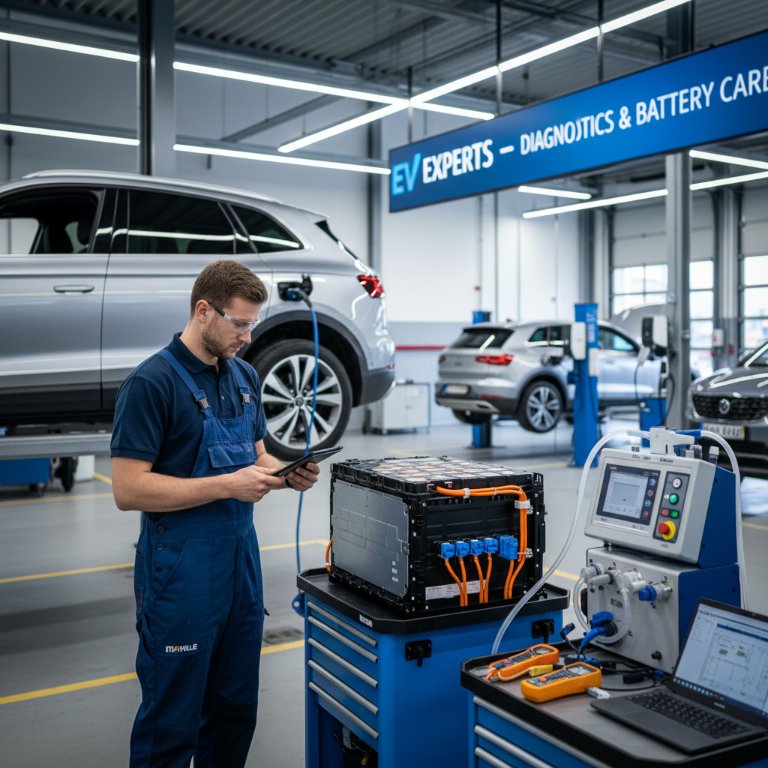
Europe stands on the cusp of an unprecedented automotive aftermarket transformation, driven by the rapid adoption of electric vehicles. A new, pivotal analysis from industry giant MAHLE projects that by 2030, the continent will host a staggering 34 million high-voltage EV batteries, with approximately 1.3 million units annually demanding specialized maintenance. This isn't just a prediction; it's a clarion call to the independent workshop sector: adapt now, or risk obsolescence.
For years, the narrative around EVs has rightly focused on sales, range, and charging infrastructure. Yet, as the fleet matures, the spotlight inevitably shifts to long-term ownership, and central to that is maintenance. MAHLE, a global leader in automotive components and thermal management, brings a weighty perspective to this discussion. Their forecast underscores a massive, largely untapped opportunity that savvy workshops, equipped with the right skills and tools, are uniquely positioned to seize. The days of simple oil changes are rapidly fading, replaced by the intricate demands of high-voltage systems and sophisticated thermal management.
The Impending EV Aftermarket Tsunami
MAHLE's figures paint a vivid picture of the scale of the transformation. Thirty-four million high-voltage batteries by 2030 represent a dramatic expansion of the EV parc, a testament to Europe's aggressive electrification targets. More critically, the 1.3 million annual maintenance events signal a steady, increasing stream of specialized work. This isn't merely about replacing worn parts; it's about diagnosing complex electronic systems, ensuring optimal battery health, and managing the thermal dynamics that are crucial for both performance and longevity. Unlike internal combustion engines, where mechanical wear is often the primary concern, EV maintenance delves deeper into software, electrical integrity, and thermodynamic efficiency.
Seizing the Aftermarket Gold Rush
MAHLE unequivocally emphasizes that workshops investing now in critical EV servicing skills, advanced diagnostics, and specialized thermal management equipment will be the ones to thrive. This isn't optional; it's foundational. High-voltage systems require stringent safety protocols and unique diagnostic approaches that differ significantly from traditional ICE vehicles. Furthermore, the efficiency and lifespan of an EV battery are directly tied to its thermal management system. Understanding and servicing these intricate cooling and heating circuits will be paramount.
The company also highlights a crucial timeline: battery lifespans of 10 to 14 years. This extended durability means a steadily increasing flow of out-of-warranty EVs will begin entering the independent aftermarket in significant numbers. This trend allows independent workshops, traditionally servicing older vehicles, to become key players in the EV ecosystem, providing competitive, accessible service options once manufacturer warranties expire.
Why This Matters:
For Independent Workshops: This is a clear 'adapt or perish' moment. Those who invest in specialized training and equipment for high-voltage systems and thermal management will unlock a massive, high-margin revenue stream. Conversely, shops that cling to traditional ICE servicing will see their market shrink dramatically. This isn't a future possibility; it's a present imperative that dictates long-term survival and prosperity.
For EV Owners: MAHLE's projection signals a maturing service infrastructure, offering greater choice and potentially more competitive pricing for out-of-warranty vehicles. As the number of qualified independent workshops grows, owners can expect better accessibility and expertise for maintaining their complex EV powertrains, mitigating long-term ownership anxieties.
For OEMs: While original equipment manufacturers have dominated early EV servicing, the rise of a robust independent aftermarket for out-of-warranty vehicles presents both a challenge and an opportunity. OEMs must consider how to support and potentially collaborate with this growing network, perhaps through parts supply or diagnostic tool access, to ensure overall brand satisfaction and vehicle longevity.
For the Industry at Large: This forecast underscores the profound shift in automotive value chains. The focus is moving beyond just manufacturing and sales to encompass the entire lifecycle of an EV. It validates the long-term viability of electric mobility and highlights the critical importance of a skilled, technologically advanced aftermarket to support this transition. It signals a move away from internal combustion engine (ICE) maintenance, which primarily involves fluids and friction, towards sophisticated electronic and thermal system management, requiring a new breed of technician and a significant retraining effort across the continent.
MAHLE's prediction for Europe's EV battery maintenance landscape by 2030 is more than a statistic; it's a powerful indicator of the industry's evolving needs. The burgeoning population of high-voltage batteries represents an immense opportunity for the aftermarket, demanding proactive investment in specialized skills and equipment. Workshops that embrace this transformation now will not only secure their own future but also play a critical role in supporting the widespread adoption and long-term success of electric mobility across the continent.