Ferrari's Electric Future Hits a Wall: Luce EV Faces Fan Fury and Identity Crisis
Maranello's bold foray into the electric vehicle market with the newly unveiled Luce EV has ignited a firestorm among its most devoted enthusiasts, ra...
Editorial Team
World Of EV
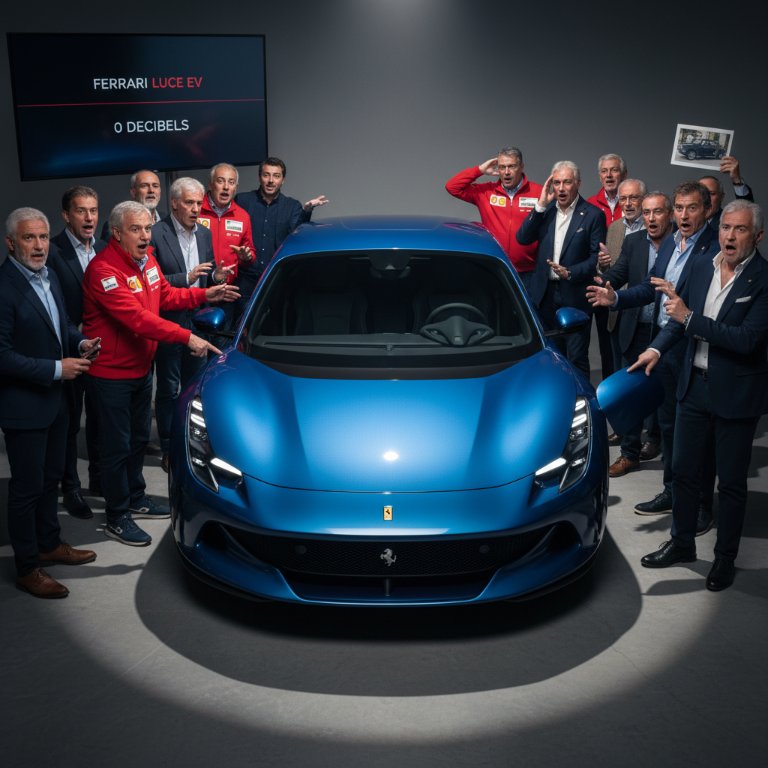
Maranello's bold foray into the electric vehicle market with the newly unveiled Luce EV has ignited a firestorm among its most devoted enthusiasts, raising critical questions about the brand's identity in an electrified era. The initial reception, far from triumphant, has been met with outright dismay and strong condemnation from key figures within the Ferrari faithful, signaling a potentially treacherous path ahead for the iconic Prancing Horse.
A Design 'Total Shock' and the Silence of the Lamborghinis
Fabio Barone, the influential president of the Italy-based Passione Rossa Ferrari owners' club, minced no words, articulating his profound disappointment with the Luce EV's aesthetic. Barone branded the design a 'total shock,' directly challenging the essence of Ferrari's heritage by asserting that the 'horse needs to be removed' due to the conspicuous absence of the traditional, visceral engine sound. This sentiment underscores a foundational conflict: for many, the aural symphony of a Ferrari engine is as integral to its identity as its sculpted lines and performance pedigree.
Beyond Barone’s poignant remarks, the broader Ferrari community has echoed profound skepticism. Enthusiasts, long accustomed to the low-slung, aggressive stance of Maranello's combustion-powered masterpieces, have disparagingly compared the five-seater, blue Luce to a mundane Nissan or even the infamously polarizing 1990s Fiat Multipla. Some of the more biting criticisms likened the new EV to a 'vacuum cleaner' or a 'rubber clog,' indicating a deep chasm between fan expectations and Ferrari's inaugural electric offering.
This immediate backlash highlights the immense challenge facing legacy performance brands like Ferrari. While companies such as Porsche have managed a relatively smooth EV transition with the Taycan, Ferrari’s brand identity is arguably more inextricably linked to the raw, mechanical emotion of its internal combustion engines. The sheer volume and character of a Ferrari V8 or V12 are not merely specifications; they are an experience, a connection that defines the brand for its loyalists. The Luce's reception suggests that simply removing this core element without a compelling, authentically 'Ferrari' electric alternative risks alienating the very fanbase that has sustained the marque for decades.
Why This Matters:
Identity Under Threat: The outcry over the Luce EV isn't just about a car's looks; it’s about the perceived dilution of the Ferrari brand itself. For a marque built on passion, sound, and a singular driving experience, an uninspired EV design and the loss of engine note represent an existential threat to its carefully cultivated mystique. This signals that Ferrari cannot merely build an EV; it must build an electric Ferrari that captures the intangible essence of the brand.
The Legacy Brand Dilemma: This incident serves as a stark warning to other ultra-luxury and performance automakers (e.g., Lamborghini, Aston Martin) embarking on their EV journeys. The expectation of innovation must be balanced with reverence for heritage. Alienating existing loyalists risks losing a critical segment of the market without necessarily winning over a new, equally discerning EV buyer base.
Market Positioning and Competition: In an increasingly crowded premium EV landscape, a tepid reception for Ferrari's first dedicated EV could significantly impede its ability to compete effectively. While Tesla, Lucid, and even traditional luxury brands like Mercedes-Benz are rapidly advancing EV technology and design, Ferrari faces the added burden of living up to an almost mythical reputation. A perceived misstep could leave it playing catch-up in a segment it traditionally dominates by aspiration.
A Critical 'Do-or-Die' Moment: For Ferrari, known for its uncompromising pursuit of excellence, the Luce EV's initial reception suggests a make-or-break moment. How the company responds to this fan backlash, whether by re-evaluating its design philosophy, enhancing the sensory experience of its EVs, or more effectively communicating its electric vision, will undoubtedly shape its relevance and success in the electrified future.
The road to electrification for Ferrari was always going to be fraught with peril, given its deep-rooted identity in internal combustion. The immediate and visceral backlash against the Luce EV serves as a potent reminder that for storied brands, the transition to electric isn't just about technology; it's about translating an intangible legacy into a silent, software-driven future without losing its soul.