Ferrari's Electric Gamble: Luce Debut Divides Die-Hard Enthusiasts, Signals New Era
Maranello has spoken, and the message is clear: the future, even for the most revered bastions of internal combustion, is electric. The unveiling of t...
Editorial Team
World Of EV
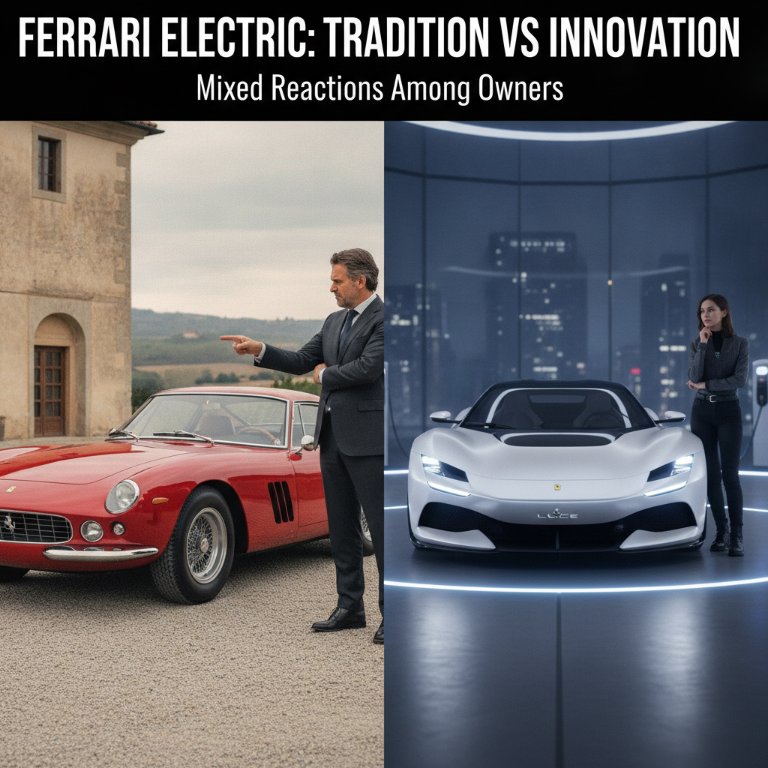
Maranello has spoken, and the message is clear: the future, even for the most revered bastions of internal combustion, is electric. The unveiling of the Ferrari Luce, the brand’s inaugural all-electric vehicle, has sent a seismic shockwave through the automotive world, igniting a fervent debate among its most loyal patrons. While some express profound feelings of “gut punch” and “betrayal” over the perceived dilution of traditional Ferrari essence, others, with a more pragmatic view, acknowledge the undeniable imperative for innovation and evolution within the luxury performance segment.
For decades, Ferrari has not merely sold cars; it has sold an experience, a symphony of high-revving engines, an iconic design language, and an unparalleled connection to racing heritage. This deeply ingrained identity is precisely why the Luce’s arrival has been met with such a polarized response. Traditionalists lament the absence of the thunderous V12 or the shrieking V8, core components of what they believe defines a Ferrari. Critiques also extend to the Luce's design, which, according to some, deviates too far from the classic, sculpted lines that have made Ferrari an automotive icon. This reaction is understandable, particularly when one considers the brand's unwavering commitment to its legacy, a commitment that has, until now, largely resisted electrification beyond hybrid powertrains in models like the SF90 Stradale.
The Inevitable Evolution of an Icon
Despite the emotional backlash, a significant segment of Ferrari observers and owners recognizes the strategic necessity of the Luce. The global automotive landscape is irrevocably shifting towards electrification, driven by stringent emissions regulations, evolving consumer preferences, and the relentless march of technological progress. For a brand like Ferrari to maintain its competitive edge and long-term viability, embracing electric propulsion isn’t merely an option; it's a mandate. Competitors like Porsche have successfully ventured into the EV space with models like the Taycan, proving that electric performance can coexist with brand prestige. The move signals that even the most exclusive marques cannot afford to ignore the broader industry transition.
- Regulatory Pressures: Increasingly strict global emissions standards make pure ICE development costly and complex.
- Performance Advantage: Electric powertrains offer instant torque, blistering acceleration, and new avenues for dynamic control, potentially pushing performance boundaries even further.
- Market Relevance: Attracting a new generation of affluent buyers who prioritize sustainability and cutting-edge technology alongside luxury and speed.
- Competitive Landscape: Preventing rivals from dominating the burgeoning luxury electric performance segment.
Why This Matters:
The Ferrari Luce represents far more than just a new model; it embodies a pivotal, perhaps existential, moment for one of the world's most storied automotive brands. This debut signals a clear acknowledgment from Maranello that even a company built on a foundation of gasoline-powered passion must adapt to survive and thrive in the electric age. The initial backlash from purists highlights the immense challenge of balancing cherished heritage with the urgent demands of innovation. For Ferrari, the successful integration of electric vehicles isn't just about selling units; it's about redefining what a Ferrari is for future generations without alienating its fiercely loyal existing customer base. The success of the Luce will dictate whether Ferrari can successfully navigate this delicate tightrope walk, potentially paving the way for a new era of electrified performance that honors its legacy while boldly embracing the future.
The Luce's journey will be closely watched by the entire industry, offering crucial insights into how ultra-luxury brands manage the transition to electrification. Its reception will undoubtedly influence future strategies across the high-performance sector, determining who wins and who loses in the race to electrify automotive royalty. This is not just Ferrari's do-or-die moment; it's a litmus test for the enduring power of brand identity in an electrified world.
Ultimately, the Ferrari Luce is a testament to the fact that even legends must evolve. While the purists might feel a temporary “gut punch,” the broader market, including savvy EV enthusiasts and industry professionals, sees a necessary, albeit bold, step towards securing Ferrari's place in the electrified future.