Ford's BlueOval City EV Battery Retreat Hands Full Control to SK On Amid Strategic Re-evaluation
A significant shift is underway at the heart of what was once envisioned as a cornerstone of Ford Motor Company's ambitious electric vehicle future. A...
Editorial Team
World Of EV
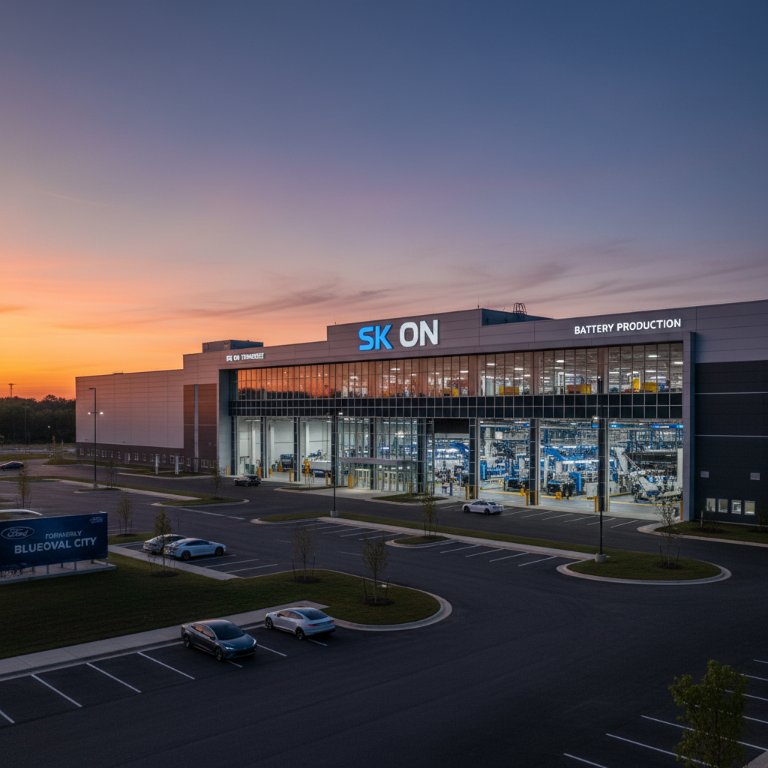
A significant shift is underway at the heart of what was once envisioned as a cornerstone of Ford Motor Company's ambitious electric vehicle future. A subsidiary of South Korean battery powerhouse SK On has seized full ownership of the critical battery manufacturing facility nestled within BlueOval City in Stanton, Tennessee. This move decisively dissolves the previous joint venture with Ford, a development that speaks volumes about evolving strategies in the fiercely competitive EV landscape.
This isn't merely a change in paperwork; it’s a profound recalibration. Ford, which initially touted plans to produce its next-generation electric pickup trucks at this very site, has dramatically pivoted. The Dearborn giant now confirms it will dedicate the Tennessee facility to manufacturing gas-powered pickup trucks, with production slated to commence in 2029. This stunning reversal signals a potential re-evaluation of Ford's localized EV production timelines, at least for this particular hub, and marks a clear departure from its earlier, more aggressive electrification rhetoric for the site.
The Shifting Sands of BlueOval City
The dissolution of the joint battery factory venture with Ford leaves SK On Tennessee, now operating as the sole proprietor, with ambitious plans of its own. The subsidiary of the global battery titan will produce both automotive batteries and critical energy storage systems (ESS) at the plant. Operations are projected to kick off in 2028, positioning SK On to significantly bolster its independent supply capabilities in the North American market.
Ford's original vision for BlueOval City was grandiose: a sprawling, vertically integrated campus designed to spearhead its electric truck revolution, including dedicated battery production through partnerships. While Ford remains committed to its broader EV transition, this specific adjustment at BlueOval City raises questions about the pace and localization strategy for key components like batteries, especially as the market grapples with fluctuating demand and technological evolution.
Why This Matters:
Ford's EV Strategy Under Scrutiny: This strategic withdrawal from a co-owned battery facility at a flagship EV production site is a significant moment for Ford. It suggests a potential recalibration of their manufacturing plans for next-generation electric trucks, or a consolidation of battery production efforts elsewhere. While Ford maintains other battery partnerships and continues investing in EVs, the symbolism of moving back to internal combustion engine (ICE) truck production at a previously earmarked EV site will not be lost on the market or investors.
SK On's Independent Ascent: For SK On, gaining full control of this Tennessee facility is an unmitigated win. It provides them with greater flexibility to serve a diverse portfolio of automotive original equipment manufacturers (OEMs) beyond a single partner, as well as tapping into the rapidly expanding energy storage system market. This solidifies SK On’s position as a crucial, independent player in the burgeoning North American battery supply chain.
Market Signals and Supply Chain Dynamics: The move underscores the inherent volatility and rapid evolution within the EV ecosystem. Automakers are constantly adjusting strategies in response to market demand, raw material costs, and technological advancements. This particular shift highlights the increasing importance of robust, diversified battery supply chains and the growing influence of dedicated battery manufacturers like SK On. It also indicates that not all automotive players will follow identical paths or timelines in their electrification journeys, especially in capital-intensive areas like battery production.
Implications for U.S. Manufacturing: While Ford shifts its focus for this specific site to ICE trucks, SK On's commitment to battery and ESS production ensures that BlueOval City will remain a vital manufacturing hub for advanced technologies, contributing to American energy independence and job creation in the EV supply chain, albeit with a different ownership structure.
The dissolution of the Ford-SK On battery joint venture at BlueOval City and Ford's subsequent strategic pivot is more than just corporate news; it’s a bellwether for the dynamic and often unpredictable nature of the automotive industry's electrification drive. While Ford re-aligns its production focus, SK On emerges with full command of a critical battery asset, poised to power a wider array of automotive and energy storage solutions into the future.