From Ashes, An EV Phoenix: Fisker Owners Forge Open-Source Future Amidst Collapse
The automotive world watched as Fisker Inc. declared Chapter 11 bankruptcy in June 2024, a predictable yet tragic end for a company that struggled to ...
Editorial Team
World Of EV
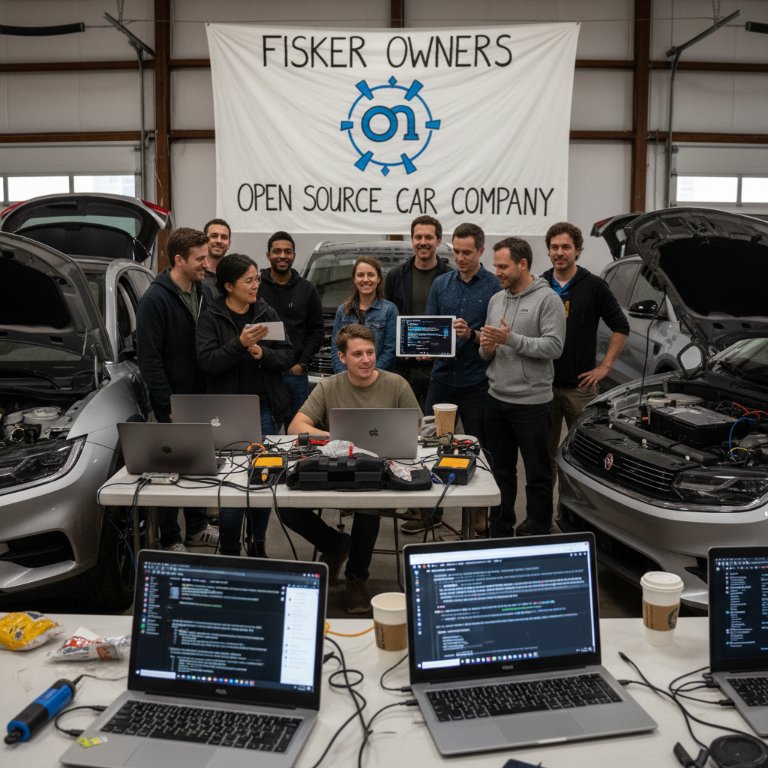
The automotive world watched as Fisker Inc. declared Chapter 11 bankruptcy in June 2024, a predictable yet tragic end for a company that struggled to find its footing in the competitive electric vehicle market. But while industry analysts debated the implications for the broader EV landscape, a more profound narrative was already unfolding amongst the roughly 11,000 Fisker Ocean SUV owners. Abandoned with vehicles rapidly losing essential software functionality and warranty support, these owners didn't just lament their misfortune; they launched an unprecedented, volunteer-driven revolution that effectively created an open-source car company from the ground up.
This is more than just a tale of consumer frustration; it’s a powerful testament to community and the burgeoning 'right-to-repair' movement, signaling a potential paradigm shift in vehicle ownership. The vacuum left by Fisker's collapse wasn't filled by another manufacturer stepping in, but by the very people who bought into the Fisker dream, then found themselves stranded.
The Fisker Fallout and Owner Resilience
Fisker Inc.'s journey, much like its predecessor Fisker Automotive, was marked by ambitious promises often outstripping execution. The Fisker Ocean SUV, touted as an eco-friendly marvel, quickly became a liability when the company entered bankruptcy. Owners soon reported a rapid degradation of software capabilities, rendering once-promised features inert and raising serious concerns about the long-term viability and safety of their vehicles without manufacturer oversight.
Rather than accept their vehicles becoming expensive, rapidly depreciating bricks, Fisker Ocean owners demonstrated extraordinary initiative. They organized online, forming communities that transcended geographical boundaries. These technically adept individuals, many with backgrounds in software engineering and automotive diagnostics, began an arduous process:
- Reverse-Engineering Proprietary Software: They meticulously delved into the vehicle's complex code, deciphering the closed-source software that controlled everything from infotainment to critical drive functions.
- Hacking the CAN Bus Network: Gaining access to the Controller Area Network (CAN) bus allowed them to understand and interact with the vehicle's internal communication system, effectively creating their own diagnostic and control tools.
- Developing Open-Source Tools on GitHub: This collective effort culminated in the development of open-source software and tools, freely shared on platforms like GitHub, enabling any Fisker Ocean owner to restore, modify, and even enhance their vehicle's functionality independently.
This grassroots movement has transformed a catastrophic product failure into an unlikely blueprint for owner empowerment, essentially building a volunteer-run, open-source car company where the original manufacturer failed.
Why This Matters:
The Fisker owners' heroic efforts represent far more than a niche response to a corporate failure; they send powerful ripples throughout the entire automotive industry and for every EV enthusiast and prospective buyer. This saga fundamentally challenges the traditional manufacturer-owner relationship.
- The Right-to-Repair Movement Gains a Major Victory: This incident underscores the critical importance of the right-to-repair, especially for software-defined vehicles. Owners proved that with access and determination, they can maintain and even improve their own products, bypassing proprietary lockdowns. This could significantly impact future legislation and consumer advocacy efforts, particularly in the EV sector where software obsolescence is a growing concern.
- Shifting Power Dynamics: For too long, consumers have been entirely at the mercy of manufacturers for software updates, diagnostics, and long-term support. The Fisker owners have demonstrated a viable alternative, putting power back into the hands of the community. This signals to other OEMs that an over-reliance on closed ecosystems and a lack of transparency can backfire catastrophically when a company collapses.
- A New Model for 'End-of-Life' Vehicles: What happens when an EV manufacturer disappears? Fisker owners offer a compelling answer: the vehicles don't have to die with the company. This could inspire new approaches for legacy support and community-driven maintenance, potentially extending the lifespan of vehicles beyond the original manufacturer's existence.
- The Cost of Software Dependency: While Tesla pioneered the 'software-defined vehicle,' the Fisker collapse highlights the inherent risks when that software is exclusively controlled by a single, fragile entity. Who loses? Manufacturers who fail to consider the full lifecycle support beyond their corporate health. Who wins? Owners, who through collective action, gain control over their investments, and potentially, future consumers who benefit from greater transparency and open-source options in vehicle design.
The Road Ahead: A Call for Openness
The Fisker Ocean owners' initiative serves as a powerful call to action for the entire EV industry. It’s a stark reminder that as vehicles become increasingly software-dependent, the conversation around ownership, repair, and long-term support must evolve. This collective effort not only rescued thousands of vehicles from obsolescence but also laid down a gauntlet: consumer empowerment through open-source solutions is not just a possibility, but a profound necessity for the future of sustainable mobility. The question now is whether other manufacturers will heed this signal and embrace more open, owner-friendly approaches before they, too, face a similar reckoning.