German Giants Unleash New EV Offensive: BMW i3 and Mercedes Electric C-Class Prepare for Tesla Model 3 Showdown
The electric vehicle landscape is poised for a seismic shift in 2027 as BMW and Mercedes-Benz, two titans of the automotive world, prepare to launch t...
Editorial Team
World Of EV
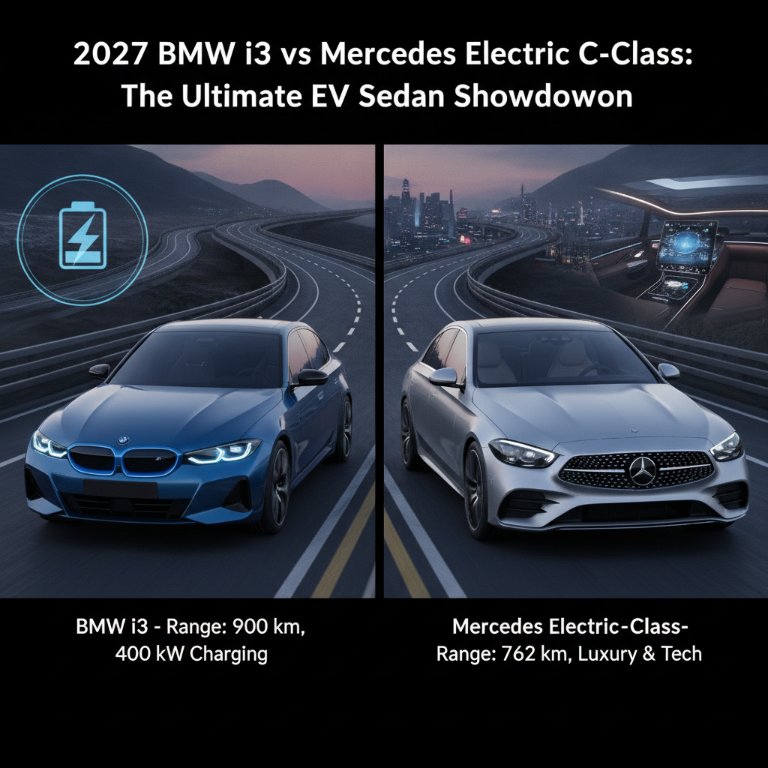
The electric vehicle landscape is poised for a seismic shift in 2027 as BMW and Mercedes-Benz, two titans of the automotive world, prepare to launch their latest challenges to Tesla's enduring Model 3 dominance. No longer content with merely adapting internal combustion platforms, both manufacturers are bringing purpose-built premium electric sedans to market: the 2027 BMW i3 and the Mercedes Electric C-Class. This strategic pivot signals a maturing EV market where dedicated architectures are now table stakes, and the fight for discerning buyers is set to intensify.
Neue Klasse vs. MB.EA: A Platform Showdown for the Ages
For years, traditional automakers played catch-up, often launching electric vehicles built on modified internal combustion engine (ICE) platforms, leading to compromises in packaging, efficiency, and driving dynamics. BMW’s previous i3, while innovative for its time, was a niche urban hatch, and Mercedes-Benz’s early EQ models frequently shared underpinnings with their ICE counterparts. The upcoming 2027 models represent a definitive break from this past, with both BMW and Mercedes-Benz leveraging entirely new, dedicated electric architectures to deliver uncompromised EV experiences.
- BMW i3: Built on the revolutionary Neue Klasse platform, BMW's vision prioritizes core brand values – driver engagement and efficiency. This modular architecture is designed from the ground up for electric powertrains, promising superior dynamics, packaging efficiency, and the integration of next-generation battery and charging technology.
- Mercedes Electric C-Class: Mercedes-Benz counters with its new MB.EA architecture, crafted to deliver the brand's hallmarks of comfort, sophisticated cabin technology, and unparalleled luxury in an electric package. This platform aims to provide a serene and technologically advanced environment, a distinct contrast to the more performance-oriented BMW.
BMW i3: The Range King with Blistering Charging Speeds
BMW's approach with the 2027 i3 is aggressive, clearly targeting range-anxious consumers and driving enthusiasts. The specifications are nothing short of impressive, setting a new benchmark for the segment:
- Exceptional Range: The i3 boasts an anticipated WLTP range of up to 900 km, a figure that would place it among the top performers in the entire EV market, easily surpassing current long-range Tesla Model 3 variants (which typically offer around 600-650 km WLTP) and even challenging more expensive luxury EVs like the Lucid Air for pure distance capability. This substantial range fundamentally addresses one of the biggest anxieties for prospective EV buyers.
- Robust Battery Capacity: Powering this impressive range is a substantial 108 kWh battery, indicating a focus on both energy density and longevity.
- Pioneering Fast Charging: The i3 will support DC fast charging speeds of up to 400 kW. This capability is truly groundbreaking. For context, industry leaders like Porsche's Taycan and Audi's e-tron GT utilize 800V architectures to achieve up to 270 kW, while Tesla Superchargers max out around 250 kW. A 400 kW charging rate promises incredibly rapid top-ups, potentially adding hundreds of kilometers of range in mere minutes, drastically reducing downtime on long journeys.
Mercedes Electric C-Class: Luxury Redefined for the Electric Era
Mercedes-Benz, ever the purveyor of luxury, is taking a different tack with its Electric C-Class, emphasizing refined comfort and cutting-edge technology over outright range or raw charging speed. This strategy aims to capture buyers who prioritize an opulent and seamless driving experience.
- Luxury and Tech Focus: The Electric C-Class is designed to excel in comfort, advanced cabin technology, and overall luxury. Expect a meticulously crafted interior with premium materials, state-of-the-art infotainment systems, and advanced driver-assistance features, likely setting a new standard for the segment's interior design and user experience.
- Competitive Range: The C 400 4MATIC variant is projected to offer up to 762 km (WLTP) from a 94.5 kWh battery. While not matching the i3's peak, this is still an exceptionally competitive figure, comfortably exceeding the current Tesla Model 3 Long Range and providing ample real-world usability for most drivers.
Why This Matters:
The arrival of the 2027 BMW i3 and Mercedes Electric C-Class marks a pivotal moment in the EV transition. This isn't just about new models; it's about a fundamental shift in how legacy automakers are approaching the electric future. Both BMW and Mercedes-Benz are directly challenging the Tesla Model 3, which has largely enjoyed a segment without truly comparable, purpose-built premium electric rivals from established brands. This is a do-or-die moment for these German giants to prove their EV prowess.
Who Wins? Consumers, unequivocally. The increased competition will drive innovation, improve features, and potentially lead to more aggressive pricing. BMW will likely win over driving enthusiasts and those with significant range anxiety, given its exceptional range and charging speeds. Mercedes-Benz stands to capture buyers who prioritize a plush, technologically advanced cabin and the traditional luxury experience the brand is known for. Tesla will be forced to innovate even faster and potentially adjust its strategies to maintain its market position against such formidable, well-established competition.
What This Signals: The era of compromised, adapted-platform EVs from traditional automakers is rapidly drawing to a close. Dedicated EV platforms are now non-negotiable for serious contenders. Furthermore, the focus on extremely high range and ultra-fast charging indicates that range anxiety, a major barrier to EV adoption, is being aggressively tackled by mainstream manufacturers, pushing past the capabilities of even current industry leaders. It also signals a growing segmentation within the premium EV market, where distinct brand identities – like BMW's driver engagement and Mercedes' luxury – are being clearly translated into their electric offerings.
The 2027 model year will be a watershed moment for premium electric sedans. With BMW and Mercedes-Benz bringing highly differentiated, purpose-built electric vehicles to market, Tesla's long-held dominance is about to face its most significant test yet. For consumers, the future of electric driving promises more choice, more innovation, and an increasingly refined experience.