GM Forges a New Path: Betting on Manganese Batteries Over LFP for Next-Gen EVs
General Motors (GM) is charting a distinctive course in the electric vehicle (EV) battery landscape, making a significant pivot from lithium iron phos...
Editorial Team
World Of EV
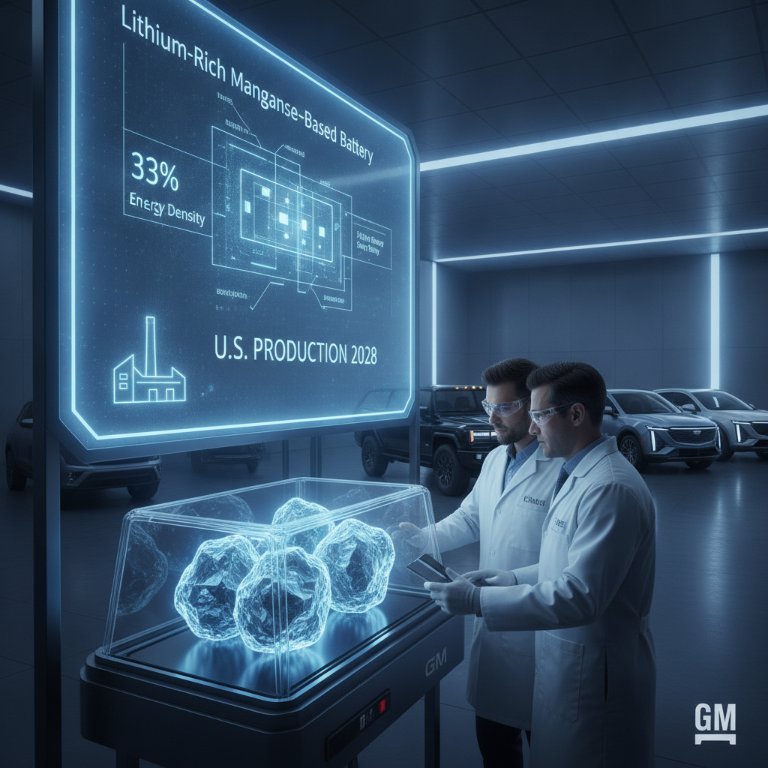
General Motors (GM) is charting a distinctive course in the electric vehicle (EV) battery landscape, making a significant pivot from lithium iron phosphate (LFP) technology. This strategic shift, revealed recently, sees the automotive giant commit instead to lithium-rich manganese-based batteries, drawing a clear line in the sand against competitors like Tesla and Ford who are increasingly embracing LFP for its cost advantages.
This isn't merely a change in chemistry; it's a bold declaration of GM's intent to prioritize energy density and performance, particularly for its crucial lineup of electric trucks and SUVs. The move signals a potential reshaping of the battery supply chain and a direct challenge to the industry's burgeoning LFP trend.
Diverging from the Pack: GM's Manganese Bet
While rivals such as Tesla and Ford have doubled down on LFP batteries – a chemistry known for its lower cost, enhanced safety, and longer cycle life – GM is deliberately choosing a different route. LFP has been a game-changer for many, enabling more affordable entry-level EVs and offering a robust solution for standard range applications. However, its primary drawback remains its lower energy density compared to nickel-based chemistries.
GM's decision to sidestep the LFP rush indicates a strategic focus on maximizing range and capability, particularly for the larger, heavier vehicles that dominate its U.S. sales portfolio. This isn't the first time an automaker has tried to innovate in battery chemistry, but GM's scale makes this a particularly impactful declaration.
The Power of Manganese: What It Means for EVs
The cornerstone of GM's new strategy is the promise of significantly enhanced performance. The lithium-rich manganese-based batteries are projected to deliver approximately 33% higher energy density than comparable LFP cells. For the EV market, this percentage translates directly into substantial real-world benefits, primarily:
Extended Range: A 33% boost in energy density means larger vehicles, like electric pickups (e.g., the Silverado EV) and SUVs (e.g., the Blazer EV, Equinox EV), can achieve considerably longer driving ranges on a single charge. This directly addresses one of the primary anxieties for potential EV buyers, especially those considering larger utility vehicles.
Reduced Battery Size/Weight (or more range for same size): Alternatively, GM could opt to maintain current range targets with smaller, lighter battery packs, improving vehicle dynamics and potentially freeing up interior space or reducing overall vehicle weight, contributing to efficiency.
GM's commitment extends beyond the chemistry itself; the company aims to kickstart mass production of these advanced batteries in U.S. factories by 2028. This move underscores a broader industry trend toward localized battery manufacturing, reducing reliance on overseas supply chains and bolstering domestic job growth and technological independence.
Why This Matters:
This isn't just an engineering footnote; it’s a high-stakes gamble with profound implications for GM, its competitors, and the entire EV market. GM's pivot signals a calculated decision to differentiate itself through performance rather than solely through cost parity.
Who Wins? If successful, GM stands to win by offering a compelling range advantage for its critical large-vehicle segments. Consumers seeking maximum range and utility in their electric trucks and SUVs will benefit immensely. This move also strengthens GM's vertical integration and domestic manufacturing footprint. Moreover, it could position GM as a leader in a new, high-performance battery chemistry, potentially attracting new partnerships or licensing opportunities.
Who Loses? Competitors heavily invested in LFP for all their vehicle segments might find themselves at a disadvantage in the larger, longer-range EV market. If GM's manganese batteries deliver as promised, LFP-equipped large EVs could appear less competitive on paper, forcing rivals to accelerate their own advanced chemistry roadmaps or face market share erosion in profitable segments.
What Does This Signal? This signals GM's conviction that pure cost-cutting with LFP won't be sufficient to dominate all segments of the EV market, especially where performance and range are paramount. It suggests a future where battery chemistries are strategically diversified, tailored to specific vehicle types and consumer needs, rather than a one-size-fits-all approach. It's a bold play for technological leadership and a statement that GM is willing to invest significantly in proprietary solutions to achieve its EV ambitions.
GM's commitment to lithium-rich manganese battery technology marks a pivotal moment in its electrification journey. By deliberately diverging from the LFP trend, GM is betting on superior energy density to power its next generation of electric trucks and SUVs. As the 2028 production target looms, the automotive world will be watching closely to see if this audacious move secures GM a decisive advantage in the increasingly competitive EV landscape.