GM Strands European Ampera-e Owners: 'Offline Bricks' Outrage Threatens Brand Re-entry
European owners of the Opel Ampera-e, the region's counterpart to the Chevrolet Bolt EV, are reeling after General Motors effectively transformed thei...
Editorial Team
World Of EV
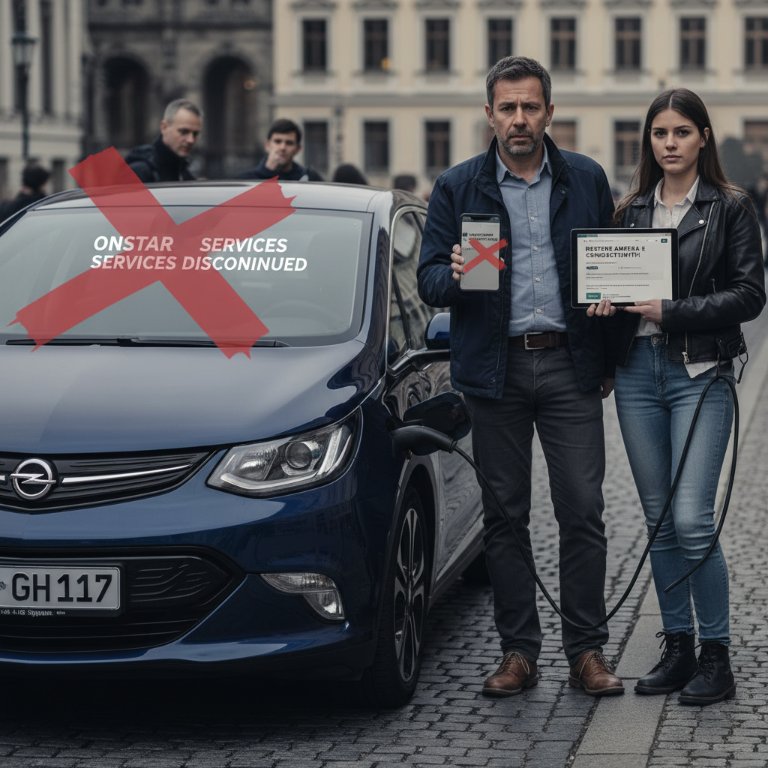
European owners of the Opel Ampera-e, the region's counterpart to the Chevrolet Bolt EV, are reeling after General Motors effectively transformed their connected electric vehicles into 'offline bricks.' GM's decision to discontinue OnStar support in Europe stripped these drivers of critical, previously paid-for features such as remote climate control, charging monitoring, and API access, sparking widespread outrage and a growing petition for restitution.
This drastic move comes years after GM divested Opel and Vauxhall to PSA Group (now Stellantis) in 2017, effectively exiting the mainstream European market. While the vehicles remain functional for driving, the loss of these 'smart' features has severely degraded the ownership experience, leaving thousands of early EV adopters feeling abandoned and their vehicles devalued. Compounding the frustration, Chevrolet Bolt owners in the United States continue to enjoy these very same connected services.
The Erosion of EV Functionality
The core of the problem lies in the discontinuation of OnStar services, which acted as the crucial bridge for the Opel Ampera-e's advanced functionalities. Owners relied on these services for:
- Remote Climate Control: Pre-conditioning the cabin, essential for comfort and maximizing efficiency in varying European climates.
- Charging Monitoring: Real-time updates on charging status, crucial for managing range, especially during longer journeys and home charging.
- API Access: The underlying technical connection that enabled various smart features and potential third-party integrations.
- Vehicle Diagnostics & Location: Basic security and maintenance insights, along with the ability to locate the vehicle.
While GM continues to support similar features for the Bolt EV in North America via the myChevrolet app and OnStar services, European owners find themselves without such recourse. A Reddit post brought the issue into sharp focus, highlighting the disparity, and a subsequent petition demanding GM restore API access or provide a local software fix has garnered over 400 verified signatures as of May 12.
Why This Matters:
A Betrayal of Early Adopters: European Ampera-e owners were pioneers, investing in GM's EV vision during its nascent stages in the region. Their current predicament serves as a stark warning about the long-term viability of software-dependent features, especially when an OEM shifts its market presence. This directly impacts GM's credibility with future European EV buyers.
Re-entry Roadblock for GM: General Motors has made clear its intentions to return to Europe as an EV-only brand, with Cadillac Lyriq sales expected to begin in Nordic countries this fall. Abandoning legacy EV customers, particularly when their US counterparts retain identical services, creates a significant reputational hurdle. Building trust is paramount in a market already saturated with innovative European and increasingly competitive Chinese EV brands.
The Fragility of 'Software-Defined' Vehicles: In an era where vehicle features are increasingly defined by software and cloud connectivity, this situation underscores a critical vulnerability. Consumers are learning that purchasing a connected car means subscribing to a continuous relationship with the manufacturer, a relationship that can be unilaterally severed, impacting the vehicle's functionality and resale value. This could lead to a broader demand for 'right-to-repair' legislation or local software solutions that decouple essential features from cloud-based subscriptions.
Industry-Wide Implications: This serves as a cautionary tale for the entire automotive industry. As vehicles become more integrated with digital services, OEMs must establish clear, long-term support policies, especially for cross-border models or those associated with strategic market exits. Failure to do so risks alienating a tech-savvy customer base and fostering deep distrust in the promise of the connected car.
The Road Ahead: A Demand for Accountability
European Ampera-e owners are not asking for a complete re-establishment of OnStar, but for basic functionality to be restored through API access or a local software update. General Motors must recognize the profound implications of its decision and act swiftly to provide a viable solution. The future success of GM's ambitious European EV re-entry hinges on demonstrating a commitment to *all* its customers, past and present. Ignoring this growing chorus of aggrieved owners would be a critical misstep, further eroding trust and making their path back into the competitive European EV landscape considerably steeper.