GM Unleashes Bidirectional Charging: A New Era for EV Power and Grid Resilience
General Motors (GM) has officially entered the bidirectional charging arena, unveiling integrated Vehicle-to-Home (V2H) and Vehicle-to-Grid (V2G) capa...
Editorial Team
World Of EV
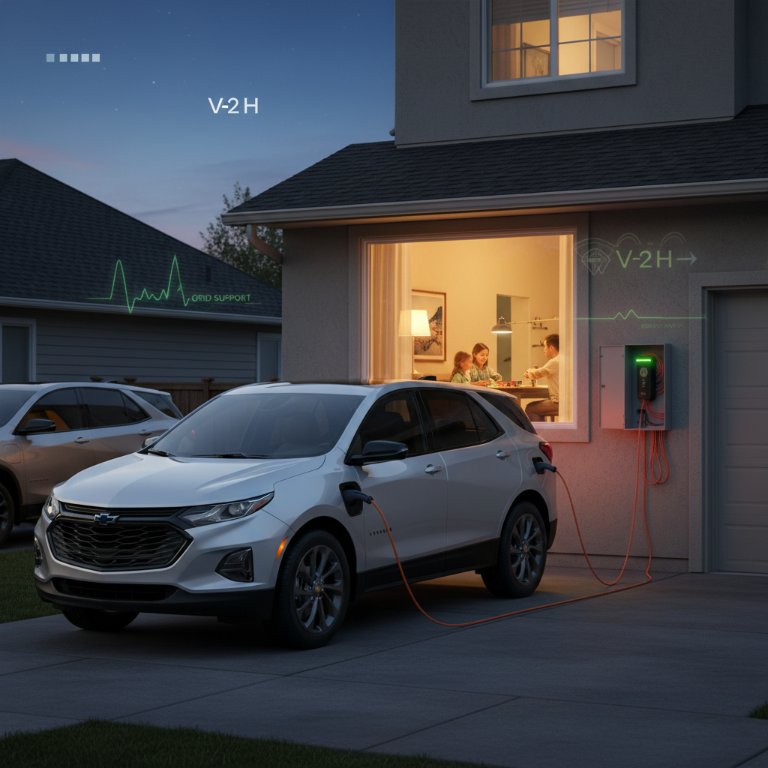
General Motors (GM) has officially entered the bidirectional charging arena, unveiling integrated Vehicle-to-Home (V2H) and Vehicle-to-Grid (V2G) capabilities for a range of its electric vehicles, including the Chevrolet Equinox EV, GMC Sierra EV, and Cadillac LYRIQ. This move transforms GM's EVs from mere transportation into dynamic energy assets, capable of powering homes during outages and supporting the broader electricity grid. After years of the industry hinting at the promise of EVs as mobile power banks, GM is now delivering concrete capabilities, positioning its vehicles as integral components of a resilient energy future.
GM's Bidirectional Prowess Arrives
GM’s announcement confirms that its electric vehicles, built on the Ultium platform, can now facilitate a two-way flow of electricity. This means power can move both into the car for charging and out of it, either to supply a home or feed back into the grid. Key models like the Chevrolet Equinox EV, GMC Sierra EV, and Cadillac LYRIQ are at the forefront of this rollout, with the 2024 Silverado EV also offering V2H capabilities as standard when paired with GM Energy's home power bundle.
- Vehicle-to-Home (V2H): During power outages, GM EVs can act as a substantial home battery, providing essential backup power to keep critical appliances and systems running. This offers owners immediate energy security and peace of mind.
- Vehicle-to-Grid (V2G): Beyond home backup, the technology enables EVs to send electricity back to the grid. GM asserts that this can add value for EV owners, potentially through financial incentives, while significantly enhancing grid reliability by acting as a distributed energy resource.
More Than Just Backup: Empowering the Grid
GM's foray into V2G extends the utility of an EV far beyond personal transport. The ability to discharge power back to the grid, especially during peak demand periods or when renewable energy sources fluctuate, offers a crucial tool for grid operators. This bidirectional functionality can help stabilize the electricity grid, integrate more renewable energy, and create new revenue streams for EV owners who choose to participate in such programs.
Why This Matters:
- For General Motors: This move solidifies GM's position as an innovator in the EV space, differentiating its Ultium platform in an increasingly competitive market. By offering energy solutions alongside transportation, GM transforms into a comprehensive energy provider, potentially securing new revenue streams and fostering deeper brand loyalty among environmentally conscious and tech-savvy consumers. The company joins other major automakers like Ford (F-150 Lightning), Tesla (Cybertruck), Hyundai (IONIQ family), and Nissan (Leaf) who already support or plan to support bidirectional capabilities in the U.S. market.
- For EV Owners: The immediate benefit for owners is enhanced energy independence and resilience. The EV transforms from a passive consumer of electricity into an active participant in home energy management, offering backup power during blackouts and potential cost savings by discharging during high-rate periods. As battery capacities increase, many homeowners are beginning to see their vehicles not only as transportation but also as a potentially substantial backup power resource.
- For the Electricity Grid: The widespread adoption of V2G-capable vehicles creates a massive, distributed energy storage system. This flexibility is critical for integrating intermittent renewable energy sources like solar and wind, helping to balance supply and demand and prevent outages. The global bidirectional charging market is experiencing rapid growth, projected to reach USD 7.10 billion by 2034, underscoring the increasing recognition of EVs as crucial grid assets.
However, the path to mass adoption still faces hurdles. While the technology is advancing, challenges remain concerning standardized communication protocols (like ISO 15118-20), regulatory frameworks, utility compensation models, and the perceived impact on battery degradation. While research suggests that controlled V2G use with intelligent charge management adds only marginal degradation, addressing these concerns with clear guidelines and robust systems will be essential for widespread integration.
Looking Ahead
GM's robust entry into bidirectional charging marks a significant milestone in the evolution of electric vehicles. It moves the industry closer to a future where EVs are not just cars, but foundational elements of smart homes and resilient energy grids. As GM, alongside other industry leaders, navigates the remaining integration challenges, the potential for a more stable, sustainable, and consumer-empowering energy landscape becomes increasingly clear.