GM’s EV Offensive Hits a Wall: Q2 Sales Plunge 40% as Equinox Hits the Brakes
General Motors has a massive electric vehicle problem, and it is threatening to derail their grand transition plans. While GM continues to flex its mu...
Editorial Team
World Of EV
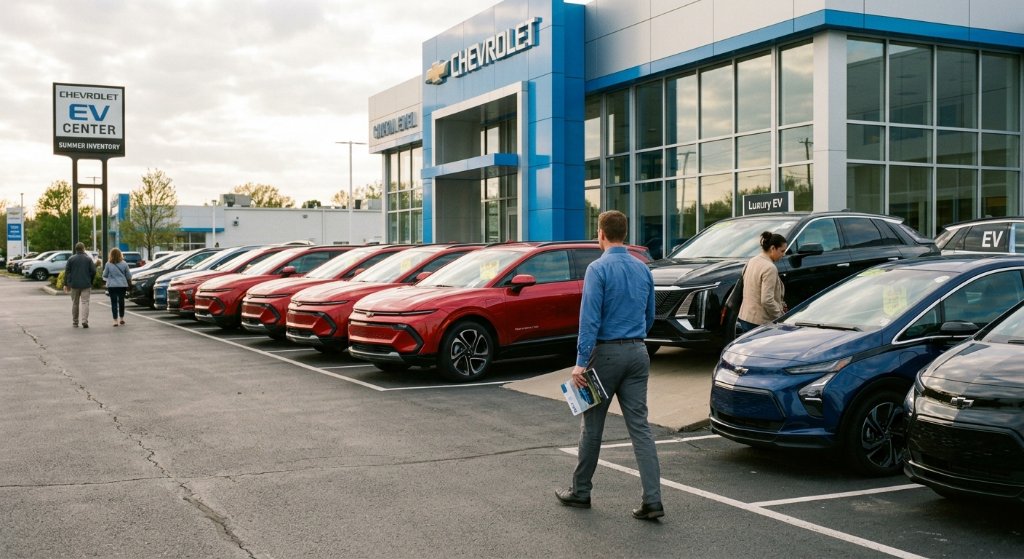
General Motors has a massive electric vehicle problem, and it is threatening to derail their grand transition plans. While GM continues to flex its muscles in the internal combustion market—driven by robust demand for large gas-guzzling pickups and SUVs—the automaker's highly publicized EV offensive took a brutal beating in the second quarter of 2026. Delivering 714,896 total vehicles in the U.S., representing a 4.2% year-over-year decline, the downturn was heavily weighted down by a staggering 40% plunge in electric vehicle sales compared to the prior year.
Only a few years ago, CEO Mary Barra pitched the proprietary Ultium platform as the ultimate "Tesla killer," promising an avalanche of high-volume, affordable electric vehicles. Instead, GM’s latest results expose a stark reality: the Detroit giant is finding itself in a defensive crouch, forced to rely on luxury outliers and legacy models to prop up a sagging zero-emission portfolio.
The Equinox Slide: Mainstream EV Dreams Stall
The crown jewel of GM’s mass-market EV strategy, the Chevrolet Equinox EV, was supposed to be the high-volume champion that brought long-range electric driving to mainstream America. Instead, it ran directly into a wall in Q2 2026.
- A Steep Descent: Sales of the Equinox EV plummeted significantly, dropping as much as 62% for the quarter (and 41% through the first half of the year).
- The Squeeze: Once hailed as the most affordable 315-mile EV, the Equinox is getting squeezed from both ends. Value-conscious buyers are opting for cheaper alternatives, while buyers looking for more premium accommodations are jumping to upscale segments.
- Fierce Competition: Rivals like the refreshed Hyundai IONIQ 5 continue to gain traction, pulling away buyers who demand faster charging architectures and bolder styling.
Bolt and Cadillac Play Damage Control
While the volume-driving Equinox floundered, GM's EV division was saved from an absolute catastrophe by two very different bookends of its lineup: ultra-luxury and budget-friendly.
- The Return of the Bolt: The newly re-launched, low-cost Chevrolet Bolt EV—starting at an ultra-competitive $28,995—served as a vital safety net. It proved that despite GM's push for high-margin Ultium-based trucks, what buyers actually want is simple, no-nonsense, affordable electric transport.
- Cadillac's Premium Shield: Cadillac recorded its best-ever Q2 of EV sales, driven by the entry-level Optiq and the larger three-row Vistiq. Alongside the Lyriq, Cadillac’s luxurious electric SUVs softened the blow, proving that high-end buyers are still willing to pay premium prices for luxury EVs.
- Market Realities: Despite the sharp drop in GM's own sales volumes, the automaker claims its U.S. EV market share held relatively steady at around 13.5%. This indicates a broader, industry-wide cooldown in EV demand as shifting federal incentives and policy uncertainties weigh on consumer confidence.
Why This Matters:
This is a defining crossroads for General Motors, and the implications of this Q2 slump are profound:
- The Legacy Trap: GM is trapped in a classic transition paradox. Their highly profitable ICE trucks and SUVs (like the GMC Sierra) are funding their massive operations and a $6 billion stock buyback. However, their multi-billion dollar bet on the Ultium EV ecosystem is bleeding cash, having already forced GM to take roughly $8 billion in EV-related write-downs last year.
- Who Wins? Tesla and Hyundai. As GM struggles to scale and sell its mid-tier EVs, Hyundai’s IONIQ 5 is thriving, showing that superior platform engineering and consumer trust are winning the day.
- Who Loses? GM’s mass-market credibility. If the Equinox EV cannot recover, GM's entire strategy to dominate the sub-$40,000 EV segment collapses.
- The Next Move: This is a do-or-die moment for GM's manufacturing strategy. Relying on the low-margin Bolt EV is a short-term band-aid. If GM cannot find a way to build mid-market Ultium vehicles profitably and appeal to mainstream buyers, they risk being permanently pigeonholed as a legacy truckmaker that couldn't bridge the electric divide.
The Bottom Line
GM’s Q2 sales results prove that legacy muscle and brand loyalty can only carry an automaker so far in the electric age. With Toyota closing the gap in total sales and EV specialists refining their lineups, Detroit's giant must quickly pivot. The path forward lies in bridging the massive chasm between high-margin luxury Cadillacs and low-cost Bolts, proving to skeptical buyers that they can build mainstream EVs that are both desirable and profitable.