Hack Your EV: How Aftermarket Tech is Demystifying Battery Health and Curing Range Anxiety
The modern electric vehicle transition has reached a critical inflection point. While early adopters cheerfully tolerated patchy public charging netwo...
Editorial Team
World Of EV
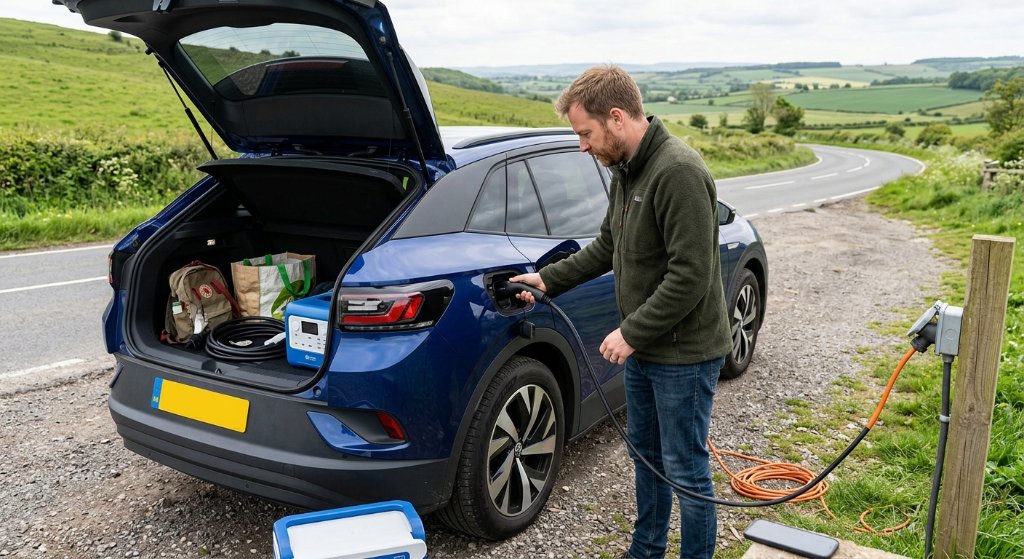
The modern electric vehicle transition has reached a critical inflection point. While early adopters cheerfully tolerated patchy public charging networks and the "black box" mystery of early lithium-ion batteries, today's mainstream buyers demand seamless utility and absolute transparency. Yet, with public charging infrastructure still lagging in rural corridors and legacy automakers keeping battery telemetry under lock and key, a new breed of EV owners is taking matters into their own hands.
Rather than waiting for slow-moving municipal networks or dealer service departments to catch up, drivers are turning to aftermarket tech hacks to optimize their ownership experience. An updated automotive tech guide highlights a growing trend: using off-the-shelf gadgets to bypass infrastructure deficits, monitor battery degradation directly, and turn vehicles into mobile power stations. Here is how savvy owners are reclaiming control of their EVs.
Defeating the 'Charging Desert' with Portable Power
While high-powered DC fast chargers capture the headlines, the reality of rural driving often means navigating massive "charging deserts." To mitigate range anxiety where public infrastructure fails, carrying a versatile portable EV charger in the trunk has transitioned from a niche hobbyist habit to an essential survival strategy.
- Multi-Voltage Versatility: Modern aftermarket portable chargers feature swappable adapter plugs, allowing drivers to draw power from standard 120V household outlets (Level 1) or high-yield 240V dryer and RV outlets (Level 2).
- Emergency Grid Independence: By utilizing existing electrical infrastructure at campgrounds, construction sites, or remote Airbnbs, drivers can secure a reliable charge far from the nearest commercial station.
- The Ultimate Safety Net: Acting as a high-tech jerry can, a portable charger ensures that as long as there is an electrical outlet nearby, you are never truly stranded.
Unleashing the Grid: The Rise of V2L Adapters
For years, electric vehicles were viewed solely as consumers of energy. However, the integration of Vehicle-to-Load (V2L) technology is turning EVs into highly capable mobile generators. While vehicles built on platforms like Hyundai Motor Group’s E-GMP or Ford's F-150 Lightning offer native bi-directional capabilities, third-party V2L adapters are democratizing this feature across the wider market.
- Mobile Power Grid: A V2L adapter plugs directly into the vehicle’s charging port, converting the massive high-voltage DC traction battery into standard AC household power.
- Recreational and Emergency Utility: Owners can run everything from high-draw camping gear (electric grills, coffee makers) to critical home appliances during unexpected grid blackouts.
- Optimizing Energy Assets: Instead of letting a 70+ kWh battery sit idle in the driveway, V2L allows owners to actively leverage their vehicle as a high-capacity home backup system.
Decoding the Black Box: OBD-II Bluetooth Scanners
One of the greatest frustrations of EV ownership—particularly in the pre-owned market—is the lack of transparency surrounding battery degradation. Automakers historically gatekeep this data, leaving drivers with vague dashboard battery bars. By plugging a cheap OBD-II Bluetooth scanner into the vehicle's diagnostic port and syncing it with specialized apps (such as LeafSpy or Car Scanner ELM OBD2), owners can peer directly into the battery chemistry.
- True State of Health (SoH) Tracking: Access precise, unedited degradation percentages, shielding buyers from the financial gamble of purchasing a used EV with a worn-out pack.
- Cell-Level Diagnostics: Monitor individual cell voltages and temperature deltas to spot failing cells before they trigger a catastrophic pack failure or expensive dealer diagnostic bills.
- Empowered Ownership: Transitioning from passive consumers to informed operators, drivers can back up warranty claims with hard telemetry data.
Why This Matters:
This DIY aftermarket movement represents a significant consumer backlash against the "walled garden" philosophy of modern automotive design. For over a decade, pioneered by Tesla's closed ecosystem, OEMs have treated EVs as locked-down, software-defined appliances. By leveraging OBD-II diagnostic tools and aftermarket hardware, consumers are aggressively asserting their Right to Repair and reclaiming the utility of their multi-thousand-dollar purchases.
The clear winners here are everyday consumers and the burgeoning used-EV market. Standardizing battery health transparency through cheap OBD-II scanners directly addresses the steep depreciation curves currently plaguing pre-owned EVs. When buyers can verify a battery's health instantly, resale confidence stabilizes. Conversely, the losers are legacy dealership service networks that rely on proprietary diagnostic monopolies to charge exorbitant fees, alongside automakers who remain slow to offer native bi-directional charging features.
Ultimately, this is a do-or-die signal to the broader automotive market: if legacy brands fail to provide open diagnostics and versatile power output out of the box, the aftermarket will happily fill the void and capture that customer loyalty.
Conclusion
As the EV market matures, the definition of a great electric vehicle is shifting from raw acceleration times to real-world versatility and transparency. These aftermarket hacks are more than just clever workarounds; they are essential tools bridging the gap between current infrastructure limitations and the ultimate promise of electric mobility. By taking control of their charging, utility, and diagnostic data, today's EV owners are charting the course for what the future of ownership must look like.