Houston, We Have a Robotaxi: Uber, Lucid, and Nuro Lock in Texas for Mid-2027 Launch
The battle for driverless supremacy is shifting into high gear, and Texas is the next major battleground. Uber, Lucid Group, and autonomous driving sp...
Editorial Team
World Of EV
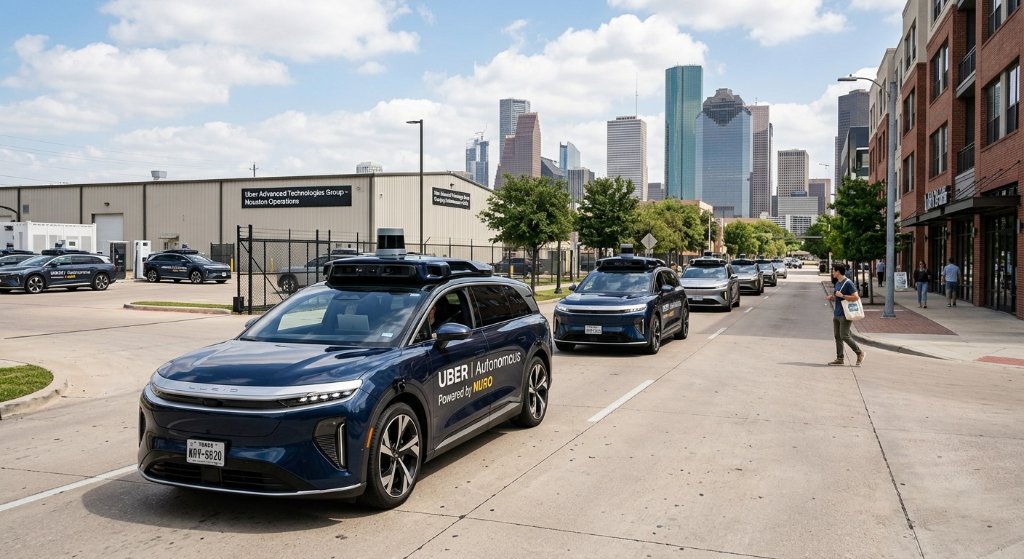
The battle for driverless supremacy is shifting into high gear, and Texas is the next major battleground. Uber, Lucid Group, and autonomous driving specialist Nuro have officially designated Houston, Texas, as the second launch market for their collaborative, premium robotaxi service, targeting a mid-2027 debut. The move marks a major expansion of the three-way alliance first forged in mid-2025, which is already gearing up to launch its inaugural passenger service in the San Francisco Bay Area later this year. By bringing Lucid’s ultra-premium Gravity SUV—upfitted with Nuro’s Level 4 self-driving brains—directly to the Uber app, the trio is taking a direct shot at established players like Alphabet’s Waymo and positioning itself as the high-end alternative in the rapidly maturing autonomous vehicle (AV) sector.
For those tracking the industry's roller-coaster history, this rollout represents a massive strategic pivot for all three companies. Uber is executing a flawless redemption arc; after selling off its troubled, crash-marred Advanced Technologies Group (ATG) in 2020 to Aurora, the ride-hailing giant has successfully transitioned to an asset-light orchestrator, letting specialized partners shoulder the hardware and software risks. For Lucid, a luxury EV maker that has historically navigated slow early sales of its Air sedan and relied heavily on capital injections from Saudi Arabia's Public Investment Fund (PIF), this deal provides a massive commercial volume pipeline. Meanwhile, Nuro, once known purely for its pint-sized, driverless grocery-delivery pods, is validating its high-stakes pivot into licensing passenger-car autonomy.
A High-Performance, High-Tech Fleet
At the heart of the Houston expansion is the Lucid Gravity—a luxury three-row SUV that stands as one of the most advanced EVs on the road. Rather than utilizing cheap, compromised compact cars, this partnership is prioritizing premium passenger comfort and advanced vehicle architecture.
Key highlights of the incoming Houston fleet include:
- The Lucid Gravity SUV: Featuring an expansive cabin, ultra-fast charging, and Lucid's highly efficient dual-motor powertrain, these vehicles will offer a level of ride-hailing luxury that competitors cannot match.
- Next-Gen Autonomous Hardware: The Gravity robotaxis pack high-resolution cameras, solid-state lidar, and radar sensors integrated directly from the factory floor.
- The Roof-Mounted "Halo": A distinctive roof module maximizes sensor visibility for Nuro's system while featuring customized LED displays that show rider initials and vehicle status to make pickup seamless.
- Unprecedented Scale: The partnership has ballooned from an initial 20,000-vehicle commitment to at least 35,000 vehicles globally over the next six years, with Lucid's upcoming midsize EV platform also slated for integration.
Houston’s Megawatt Infrastructure Power Play
You cannot run a multi-thousand-vehicle robotaxi fleet out of a standard parking lot. To ensure seamless operations, Uber has secured a massive, 50,000-square-foot depot and maintenance facility in Houston.
Far from a simple parking garage, this site acts as the heavy-duty operational backbone of the fleet. Boasting four megawatts of power, the depot will house 40 dedicated fast chargers and 15 service bays to handle vehicle cleaning, charging, preventative maintenance, and sensor calibration. Uber plans to make the site fully operational by early 2027. In the meantime, Nuro is already running a test fleet of nearly 100 Gravity vehicles 24/7 across California and Texas to map Houston's sprawling, complex roads, and Lucid is preparing to spin up production validation models at its Arizona factory.
Why This Matters:
This announcement is a seismic event for the automotive and tech sectors, signaling a fundamental shift in how autonomous networks will scale.
The Winners:
- Lucid Group: This is a financial and operational lifesaver. Lucid gains an incredibly stable, high-volume customer for up to 35,000 vehicles. Furthermore, Uber’s direct investment in Lucid has grown to $500 million, giving the EV startup critical runway as it ramps up Gravity production.
- Uber: By keeping its platform open and letting Lucid build the cars and Nuro write the code, Uber cements its position as the ultimate gatekeeper of ride-hailing demand. It gets a premium AV fleet without the massive R&D burn rate that crippled its early ATG efforts.
- Nuro: Proves that its pivot to a licensing-first business model for its Level 4 "Nuro Driver" platform is highly viable, establishing it as a primary software tier-1 supplier to major automotive OEMs.
The Losers:
- Waymo (Alphabet): While Waymo is the current undisputed king of commercial robotaxis, it operates with a highly fragmented fleet. The introduction of the Lucid Gravity—a purpose-built, ultra-roomy luxury SUV—makes Waymo's smaller, retrofitted electric crossovers look cramped and dated.
- Tesla: Tesla CEO Elon Musk has repeatedly promised a driverless revolution via the dedicated Cybercab and unsupervised FSD, yet the company still struggles with regulatory approvals and a lack of fleet logistics. Uber, Lucid, and Nuro are building a fully realized, asset-backed ecosystem with physical depots and real production lines while Tesla is still trying to solve vision-only autonomy.
This partnership serves as a blueprint for the future: success in the AV era will not belong to a single vertical giant trying to build the car, the brain, and the app all at once. Instead, victories will go to highly coordinated, capital-efficient consortiums.
In Summary
By anchoring their second major deployment in Houston, Uber, Lucid, and Nuro are showing that they have the financial, industrial, and technological stamina to mount a serious challenge to the established autonomous hierarchy. As testing scales up over the next year, all eyes will be on Texas to see if this premium trio can deliver on its mid-2027 promise.