Kia EV6: Performance Soars, But Persistent Electrical Woes Cloud 2026 Model's Long-Term Reliability Outlook
Kia’s EV6 has undeniably captivated the electric vehicle market, celebrated for its stunning design, engaging driving dynamics, and ultra-fast chargin...
Editorial Team
World Of EV
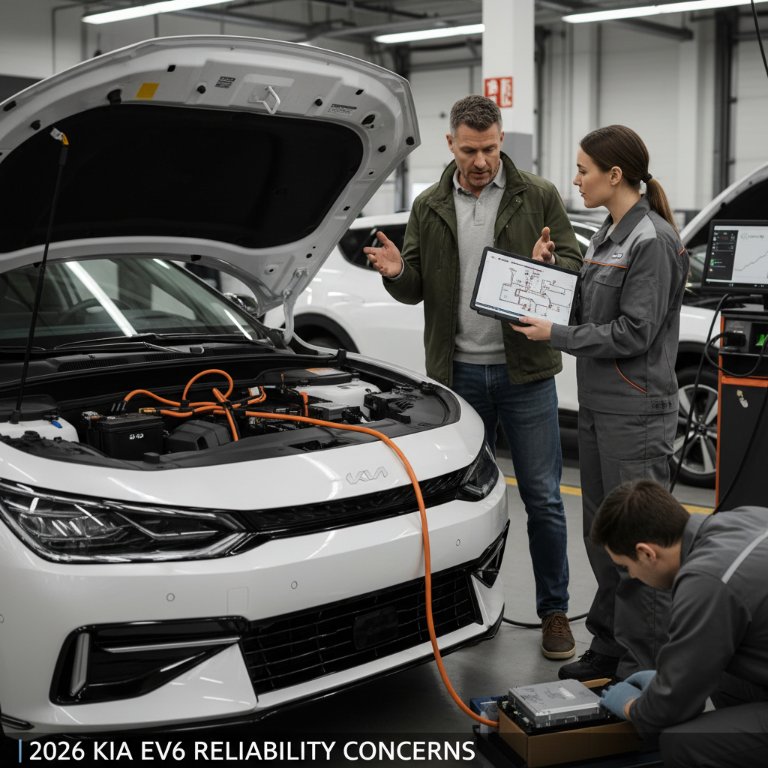
Kia’s EV6 has undeniably captivated the electric vehicle market, celebrated for its stunning design, engaging driving dynamics, and ultra-fast charging capabilities. Yet, as the 2026 model year begins to circulate, a more complex narrative emerges. While performance remains a strong suit, owner reviews and independent surveys point to a concerning trend: below-average long-term reliability, particularly with its sophisticated electrical and charging systems, compared to its more trouble-free EV counterparts.
Performance Meets Persistent Problems: The EV6's Dual Nature
For discerning EV enthusiasts and prospective buyers, the EV6's initial appeal is undeniable. Its E-GMP platform delivers impressive acceleration, agile handling, and a comfortable ride, cementing its status as a driver's EV. Many owners laud the vehicle’s overall satisfaction, a testament to Kia's bold vision for its electric future. However, this positive sentiment is increasingly juxtaposed with a recurring undercurrent of reliability concerns, specifically manifesting as costly electrical and charging failures that impact a vocal minority of owners.
Unpacking the Electrical Gremlins
The heart of the reliability issues centers on critical electrical components and their integration. Key complaints include:
- Integrated Charging Control Unit (ICCU) Failures: This central brain for managing power flow between the high-voltage battery, the vehicle's 12-volt system, and external charging sources is proving to be a significant vulnerability. An ICCU failure can render the vehicle unable to charge or even start, turning a routine commute into an unexpected tow. This is not merely an inconvenience; it's a fundamental breakdown in a core EV function.
- 12-Volt Battery Issues: Despite housing a massive high-voltage battery, many EVs rely on a conventional 12-volt battery for auxiliary systems and to 'boot up' the main power systems. Owners report premature 12-volt battery failures, often a symptom of deeper electrical management problems rather than just a faulty battery.
- Rapid Tapering During Fast Charging: While the EV6 boasts impressive peak charging rates, some owners observe a significant and rapid drop-off in charging speed (tapering) during fast charging sessions. This can extend charging times considerably, negating one of the EV6's key selling points and frustrating owners reliant on quick turnarounds.
These are not minor software glitches; they represent hardware or fundamental software integration challenges that impact the vehicle's core functionality.
Kia's Proactive (Yet Reactive) Response
Kia has not ignored these issues. The company has initiated service campaigns, rolled out software updates, and provided hardware replacements to address the charging-control and ICCU problems, notably extending these remedies to 2026 builds – a clear indication that the company is continually working to rectify challenges identified in earlier 2022-2025 models. Furthermore, Kia’s robust EV component and powertrain warranties typically cover these expensive repairs within specified time and mileage limits. While these efforts are commendable, the very existence of ongoing campaigns for issues in new models suggests a protracted battle against these electrical vulnerabilities.
Why This Matters:
This reliability narrative is a critical juncture for Kia's burgeoning EV reputation. For World Of EV readers, this directly impacts your potential purchase decisions and long-term ownership experience.
- Brand Integrity on the Line: Kia has rapidly ascended as a credible and innovative EV player. The EV6, alongside the Ioniq 5, was a halo car, showcasing the brand's engineering prowess. Persistent reliability concerns, especially in critical electrical systems, risk eroding the hard-won trust and brand loyalty Kia has cultivated. It signals a potential gap between ambitious design and real-world durability.
- Consumer Confidence and Market Perception: In the competitive EV landscape, reliability is paramount. Tesla, despite its own historical quality control issues, is striving for greater consistency, while new entrants and legacy automakers alike are fighting to establish a reputation for trouble-free ownership. For prospective EV buyers, even with a strong warranty, the specter of frequent dealership visits or being stranded due to an ICCU failure is a significant deterrent. This could steer savvy consumers towards perceived safer bets.
- Total Cost of Ownership (TCO) and Resale Value: While warranty coverage mitigates direct repair costs, the time spent without a vehicle, the inconvenience, and the potential for issues arising post-warranty can significantly impact TCO. Furthermore, a vehicle known for long-term electrical issues often suffers from depressed resale values, a crucial consideration for any high-value purchase.
- Industry Signal: Kia’s challenges serve as a cautionary tale for the entire EV industry. The rapid acceleration of EV technology brings complex integration challenges. Successfully overcoming these deeply embedded electrical issues is not just a Kia problem; it’s a benchmark for how well the industry as a whole can deliver on the promise of reliable, cutting-edge electric mobility.
The 2026 Kia EV6 remains a compelling package, offering exhilarating performance and a striking aesthetic that continues to turn heads. However, the persistent electrical and charging reliability concerns cast a significant shadow over its long-term appeal. Kia's commitment to addressing these issues through ongoing service campaigns and warranty support is vital, but the ultimate test will be whether these fixes truly eliminate the problems and restore unwavering consumer confidence. For Kia, and for the future perception of mass-market EVs, consistently trouble-free ownership is not just a desirable trait; it is an absolute necessity.