Kia's 2026 EV4 GT-Line: Canada's New EV Darling, America's Frustration
The electric vehicle landscape continues its rapid evolution, and Kia, a brand synonymous with aggressive design and compelling value, is once again a...
Editorial Team
World Of EV
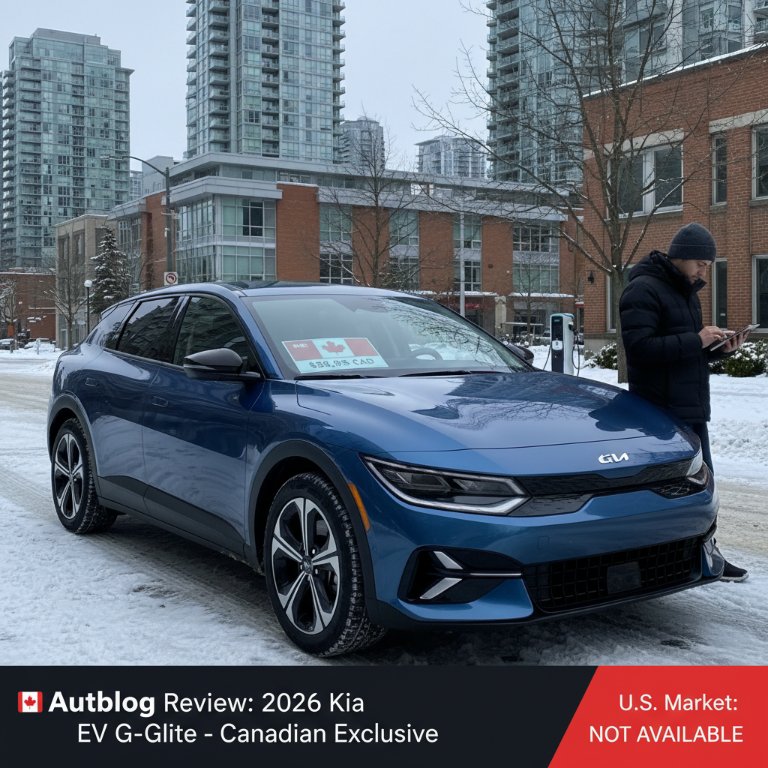
The electric vehicle landscape continues its rapid evolution, and Kia, a brand synonymous with aggressive design and compelling value, is once again at the forefront. The 2026 Kia EV4 GT-Line has made a significant splash in the Canadian market, immediately positioning itself as a formidable contender for those seeking an affordable, long-range EV. Yet, for our readers south of the border, this exciting new entry is a non-starter, a stark reminder of the complex forces shaping today's global automotive market.
After years of refining its EV strategy with popular models like the EV6 and the larger EV9, Kia has consistently pushed the boundaries of what consumers can expect from an electric vehicle. The EV4 GT-Line, with its sub-$40,000 CAD starting price and impressive range, appears to be another strategic hit, particularly for the value-conscious Canadian buyer.
The Canadian Value Proposition and Performance Prowess
Autoblog’s recent review paints a picture of a remarkably competent and attractive package for Canadian drivers. The EV4 GT-Line doesn't just look the part; it delivers on the core promises of electric mobility:
- Exceptional Range: The standard EV4 boasts up to 552 km (343 miles) on a single charge, while the sportier GT-Line variant still offers a highly practical 488 km (303 miles). These figures firmly place the EV4 among the segment leaders for range, addressing a primary concern for many prospective EV buyers.
- Aggressive Pricing: Starting at just $38,995 CAD, the EV4 GT-Line aggressively undercuts many competitors, making premium EV ownership more accessible.
- Practicality Personified: Beyond the numbers, the review praises the EV4’s overall practicality, suggesting it integrates seamlessly into daily life – a critical factor for mainstream adoption.
However, the review wasn't without its minor criticisms. Kia's commitment to design-forward aesthetics occasionally trumps pure ergonomics, with some cabin controls noted as less intuitive than ideal. Additionally, rearward visibility, a common trade-off in many modern, sleek designs, was highlighted as somewhat compromised. These are minor quibbles, though, in what is otherwise described as an easygoing ownership experience.
Why the U.S. Market is Missing Out
The most striking aspect of the EV4 GT-Line's launch is its confirmed absence from the U.S. market. This decision isn't arbitrary but rather a calculated response to a confluence of challenging factors:
- Evolving Market Conditions: The U.S. EV market is intensely competitive, with a wider array of domestic and international players vying for market share.
- Loss of Federal EV Incentives: The U.S. Inflation Reduction Act (IRA) has significantly restructured EV tax credits, heavily favoring vehicles assembled in North America and using batteries with domestically sourced materials. This creates a significant disadvantage for imported models like the EV4, making them less competitive on price.
- Import/Tariff Complications: Geopolitical and economic pressures have led to increased tariffs and complex import regulations, further complicating the entry of foreign-made EVs into the U.S. market.
Why This Matters:
The 2026 Kia EV4 GT-Line's selective rollout is more than just a product launch; it's a potent signal regarding the future of global EV strategy. Canadian consumers are the clear winners here, gaining access to an impressively priced, high-range EV that significantly enhances their options in a rapidly growing segment. Kia solidifies its position as a brand that can deliver compelling value and cutting-edge technology, further entrenching itself in the Canadian market.
Conversely, U.S. consumers are the immediate losers. They miss out on a strong contender that could have injected more competition and affordability into the compact EV segment, leaving a void that other manufacturers may or may not fill. This scenario highlights the growing fragmentation of the North American automotive market, driven largely by protectionist policies and fluctuating incentive structures. For Kia, it's a strategic pivot – choosing to prioritize markets where their products can be most competitive and profitable, rather than fighting an uphill battle against unfavorable economic and regulatory conditions in the U.S. It signals that even global automakers must increasingly tailor their product distribution to national economic policies, potentially leading to more regionalized EV offerings in the future.
Ultimately, the 2026 Kia EV4 GT-Line stands as a testament to Kia's continued innovation in the EV space, offering a compelling blend of range, affordability, and style. While Canadian drivers celebrate a fantastic new option, its absence in the U.S. serves as a sharp reminder of the complex interplay between product excellence and market realities that shape the global automotive industry today. As the EV transition continues, we can expect more such regionally optimized strategies from manufacturers grappling with diverse policy landscapes.