Lexus ES Goes Electric: A Strategic Pivot for a Luxury Mainstay
Lexus, a brand long associated with hybrid refinement, is making a significant leap into the fully electric luxury sedan segment with the 2026 ES. Thi...
Editorial Team
World Of EV
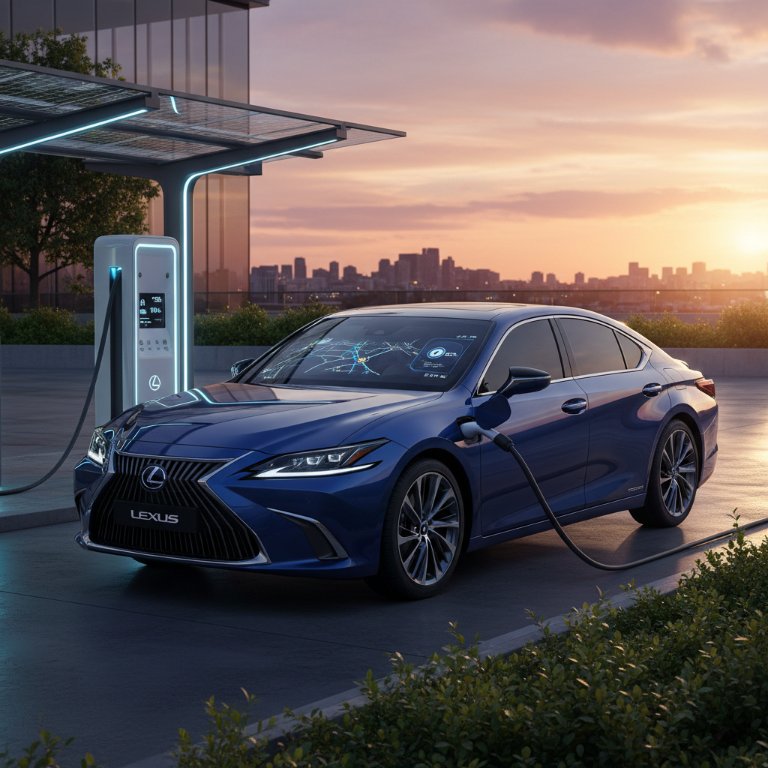
Lexus, a brand long associated with hybrid refinement, is making a significant leap into the fully electric luxury sedan segment with the 2026 ES. This move is particularly noteworthy as the beloved ES, a cornerstone of Lexus's sedan lineup, will now offer both a reimagined hybrid variant (ES 350h) and its first-ever battery-electric models (ES 350e or ES 500e), providing consumers with choices in luxury sedans. For a manufacturer that has historically dipped its toes into BEVs rather than diving headfirst, this dual-powertrain strategy on a core model signals a maturing commitment to electrification, potentially setting the stage for broader EV adoption across its luxury portfolio.
A Unified Design, Diverse Powertrains
The 2026 Lexus ES arrives maintaining its established luxury sedan aesthetic, underpinned by a shared platform across its hybrid and new all-electric iterations. This approach means the vehicles share the same overall design, differing mainly in badging. This strategy allows Lexus to leverage existing design language and manufacturing processes, easing the transition for both the brand and its loyal customer base, while also offering a familiar experience to customers.
Electrifying Performance and Range Confidence
The fully electric ES models introduce compelling powertrain options for discerning buyers.
- The ES 350e features a front-wheel-drive configuration with a single electric motor.
- For enhanced performance and all-weather capability, the ES 500e steps up with dual electric motors, delivering all-wheel drive.
Both EV variants share a robust 74.7-kWh lithium-ion battery pack, a respectable capacity for the luxury sedan segment. Lexus is also directly addressing common EV concerns by integrating smart features designed to alleviate range anxiety. The electric versions include features for setting charging schedules and limits, and the navigation system helps plan charging stops and estimate battery percentage for routes, aiming to reduce range anxiety for road-trippers. This focus on user experience is crucial for encouraging long-distance EV travel.
Premium EV Accessibility
Entry into the electric ES lineup begins at a competitive $48,895 for the 350e Premium. This pricing positions the ES 350e as an attractive proposition in the burgeoning luxury EV market, potentially drawing in buyers who might have previously considered traditional internal combustion engine (ICE) luxury sedans or even entry-level premium EVs.
Why This Matters:
The 2026 Lexus ES represents a pivotal moment for the brand and the luxury EV market. For years, Lexus has been lauded for its hybrid expertise, but its foray into pure battery electric vehicles has been more cautious, often characterized by adaptations of existing platforms or niche models like the RZ 450e. While the RZ demonstrated Lexus's potential, its performance and range didn't always set new benchmarks against dedicated EV platforms from rivals like Hyundai's Ioniq 6 or Tesla's Model 3.
The decision to electrify the ES, a high-volume, well-established sedan, signals Lexus's undeniable commitment to a fully electric future, even if it's executed on a shared platform. This "dual-track" strategy (hybrid alongside BEV) aims to cater to a broader audience, allowing traditional Lexus buyers to transition to EV without abandoning the familiar ES nameplate and design language. This flexibility is a clear win for consumers, offering choice in a rapidly evolving market.
However, the shared platform strategy, while cost-effective and familiar, presents inherent trade-offs. Dedicated EV platforms (like GM's Ultium, Hyundai's E-GMP, or Tesla's architecture) often maximize interior space, optimize battery packaging, and achieve superior aerodynamic efficiency and performance. Lexus will need to demonstrate that the ES electric variants can truly compete in these areas against rivals built from the ground up as EVs.
The aggressive starting price for the ES 350e also indicates a strategic play to democratize luxury EV ownership, potentially luring buyers away from premium ICE sedans or even less-luxurious mass-market EVs. This move positions Lexus to gain market share in a segment where choice is rapidly expanding. If Lexus can deliver on the promise of range and charging convenience, the ES electric could be a significant step in shifting the perception of Lexus as a true EV contender, not just a hybrid leader. The inclusion of advanced navigation and charging management features is a smart play to directly tackle consumer anxiety, a critical barrier to EV adoption.
The 2026 Lexus ES's dual-powertrain introduction marks a strategic acceleration of Lexus's electrification journey, offering luxury sedan buyers unprecedented choice. By combining the familiarity of a beloved nameplate with robust electric options and thoughtful range-anxiety solutions, Lexus is poised to make a strong statement in the evolving luxury vehicle landscape. The success of these new electric ES models will be a key indicator of Lexus's future trajectory in the fiercely competitive EV era.