Lotus Hits the Brakes on EV Charge, Re-Igniting ICE for Performance Purity
In a surprising pivot that sent ripples through the performance electric vehicle (EV) sector, Lotus CEO Feng Qingfeng confirmed the brand is deliberat...
Editorial Team
World Of EV
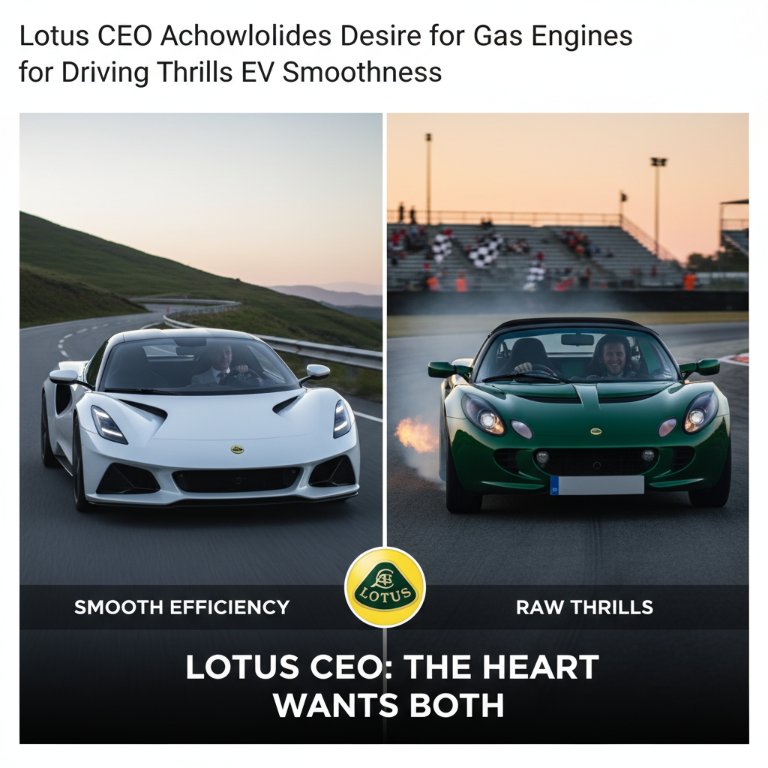
In a surprising pivot that sent ripples through the performance electric vehicle (EV) sector, Lotus CEO Feng Qingfeng confirmed the brand is deliberately slowing its EV development. This strategic shift comes as the iconic British marque, long synonymous with lightweight, driver-focused internal combustion engine (ICE) cars, acknowledges a distinct preference among performance car buyers for the visceral thrills still largely associated with gasoline powertrains. For a company that recently unveiled ambitious all-electric models like the Evija hypercar, Eletre SUV, and Emeya sedan, this represents a significant re-evaluation of its electrification roadmap.
The Shifting Sands of Performance Perception
Feng Qingfeng articulated a nuanced view on the evolving perception of EV performance. While he conceded that the inherent smoothness of an EV powertrain is undeniably beneficial for daily commuting, he underscored a critical disconnect with the expectations of the high-performance enthusiast. "Our customers, especially those seeking the ultimate driving machine, crave an engaging, entertaining experience that often transcends mere acceleration," Qingfeng noted. This feedback directly informs Lotus's decision to refocus engineering efforts and resources back into gasoline-powered vehicles, at least for the foreseeable future. This isn't just about raw speed; it's about the entire sensory symphony – the engine's roar, the tactile feedback through the chassis, the mechanical connection that many enthusiasts argue current EVs struggle to replicate meaningfully.
The Enduring Allure of Internal Combustion
Lotus's decision isn't an outright abandonment of EVs, but rather a recalibration. The company recognizes that the driving thrills and entertainment historically delivered by combustion engines – aspects like progressive power delivery, nuanced exhaust notes, and the inherent character of a multi-cylinder engine – remain paramount for a significant segment of its customer base. This stands in stark contrast to the often instantaneous, yet sometimes clinical, power delivery of many EVs. For a brand whose legacy is built on the purity of the driving experience, prioritizing customer desire for that unadulterated connection makes strategic sense, even if it means diverging from the industry's predominant electric trajectory. This move signals that Lotus, unlike some rivals who have committed entirely to electric futures, is willing to serve a diverse set of performance preferences, including those who wish to extend the life of the petrol engine experience.
Why This Matters:
This announcement from Lotus carries profound implications for the entire performance automotive landscape and the future of EVs:
A Reality Check for Performance EVs: Lotus's pivot serves as a potent reminder that raw acceleration alone does not satisfy the sophisticated demands of every performance enthusiast. It challenges the prevailing industry narrative that EVs are unequivocally the superior platform for all forms of high performance, forcing a re-evaluation of what constitutes 'driving entertainment.'
Who Wins? Traditionalists and purists who champion the sensory experience of ICE vehicles emerge as clear beneficiaries, as a storied brand like Lotus recommits to their preferences. This also gives Lotus a unique selling proposition in a market increasingly saturated with high-performance EVs, potentially capturing a segment feeling underserved.
Who Loses? The perception of Lotus as a pure EV trailblazer takes a hit, potentially disappointing early adopters of their electric models and those hoping for an expedited all-electric future from the brand. The broader EV movement also faces a setback in its mission to fully electrify all automotive segments, particularly the emotional and niche performance categories.
Market Signal: This signals a potential fracturing in the premium performance market. While some brands will continue their aggressive EV transition, others, like Lotus, may explore hybrid strategies or even extend ICE production to cater to specific enthusiast demands. It suggests that while compliance and mainstream adoption drive electrification, the emotional connection to the automobile still heavily influences purchasing decisions in the high-performance arena. This is a crucial moment for Lotus, balancing its heritage with future trends, and its success in this dual approach will be closely watched.
Lotus's decision to temper its EV ambitions underscores a critical truth: the path to an all-electric automotive future, particularly in the emotionally charged performance segment, is not a straight line. By listening intently to its discerning customer base, Lotus is betting that maintaining a foothold in the gas-powered realm, while continuing measured EV development, will best preserve its brand identity and cater to the nuanced desires of true driving enthusiasts in the years to come.