Lucid Air Pure Faces Inverter Recall: A Crucial Test for the Premium EV Brand
Lucid Motors, a prominent player in the luxury electric vehicle segment, confronts a significant challenge with the recall of 2,039 Air Pure rear-whee...
Editorial Team
World Of EV
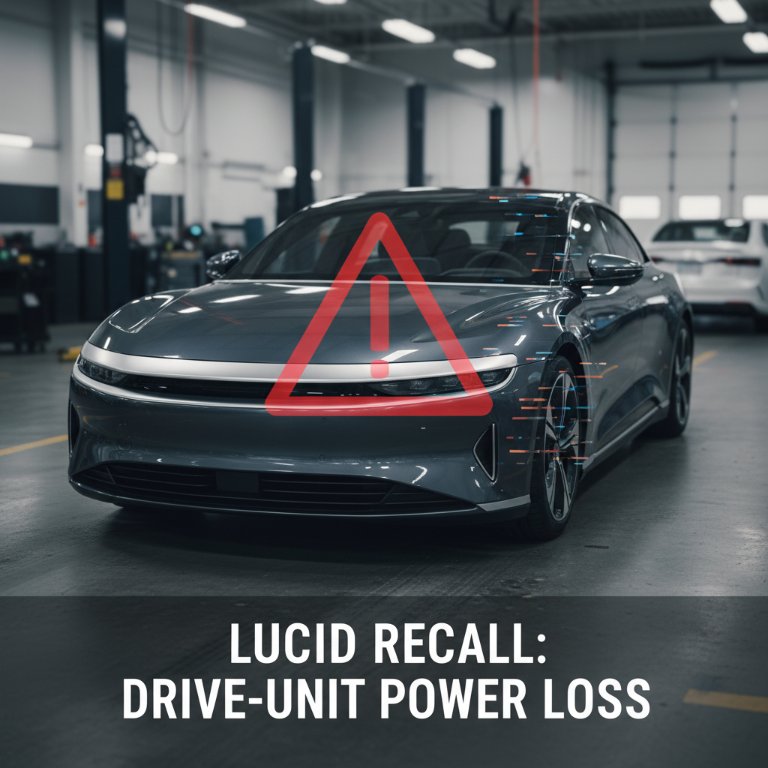
Lucid Motors, a prominent player in the luxury electric vehicle segment, confronts a significant challenge with the recall of 2,039 Air Pure rear-wheel-drive sedans from the 2024 and 2025 model years. This recall, impacting vehicles built between September 13, 2023, and December 12, 2024, stems from a critical defect in the Gen 4 inverter that could lead to a sudden and unexpected loss of drive power, elevating the risk of a crash. For a brand that positions itself on cutting-edge technology and unparalleled performance, this hardware flaw demands immediate and effective resolution.
Lucid emerged as a direct contender to established luxury EVs, particularly aiming for the segment dominated by the Tesla Model S, promising superior range and a bespoke experience. Its initial models garnered significant praise for their innovative design and efficiency. However, as with many nascent automotive manufacturers, scaling production and ensuring consistent component quality across the board presents a unique set of hurdles. This recall spotlights the inherent complexities of introducing new, advanced EV powertrains to market.
A Critical Inverter Flaw Surfaces
The core of the issue lies within the Gen 4 inverter, a vital component responsible for converting DC battery power into AC power for the electric motors. Lucid has identified that internal friction within the inverter can cause damage to its internal parts. This degradation ultimately leads to the failure of the switching module, which is essential for controlling power delivery to the wheels. The consequence for drivers is a sudden and unannounced loss of propulsion, a scenario that is not only alarming but also poses a severe safety risk on the road. The lack of warning further exacerbates the danger, leaving drivers no time to react appropriately.
Lucid's Multi-Pronged Remedial Plan
- Over-the-Air (OTA) Software Update: By the end of June 2026, Lucid intends to deploy an OTA software update. This update aims to provide drivers with advanced warnings of a potential inverter malfunction, giving them time to safely pull over and address the issue before a complete loss of power occurs. While a software patch can mitigate immediate danger, it does not resolve the underlying hardware flaw.
- Hardware Replacement: For a subset of the recalled vehicles, the problem is more severe, necessitating a physical hardware replacement of the faulty Gen 4 inverter. This more extensive repair suggests that for some units, the internal damage is beyond what a software warning can address, requiring a direct intervention to ensure long-term reliability and safety.
Why This Matters:
This inverter recall is more than just a logistical challenge for Lucid; it's a critical stress test for the brand's reputation and its standing in the premium EV market. For a company that trades on its technological prowess and aspirational quality, hardware failures in fundamental components like the inverter can significantly erode consumer trust. Prospective buyers of luxury EVs expect flawless execution, and early production issues, particularly those impacting safety and driveability, can leave a lasting negative impression. While every automaker faces recalls, for a newer brand like Lucid, each incident is magnified, potentially impacting investment confidence and future sales growth. The timing of the OTA fix by late June 2026, coupled with the need for physical hardware replacements, indicates a significant engineering and logistical undertaking. This incident serves as a stark reminder that even with groundbreaking technology, the journey from startup to established OEM is fraught with challenges, where quality control and rapid, effective problem-solving are paramount for survival and success.
Lucid's response to this recall—its transparency, the speed of its solutions, and the effectiveness of its fixes—will be closely watched by the industry and discerning consumers alike. How the company navigates this challenge will undoubtedly shape perceptions of the Lucid Air's reliability and, by extension, the company's long-term viability in an increasingly competitive electric vehicle landscape.