Lucid Air Pure Recall: Inverter Flaw Sparks Serious Reliability Concerns for the Luxury EV Upstart
Lucid Motors, the ambitious luxury electric vehicle manufacturer, faces a significant challenge to its burgeoning reputation with the announcement of ...
Editorial Team
World Of EV
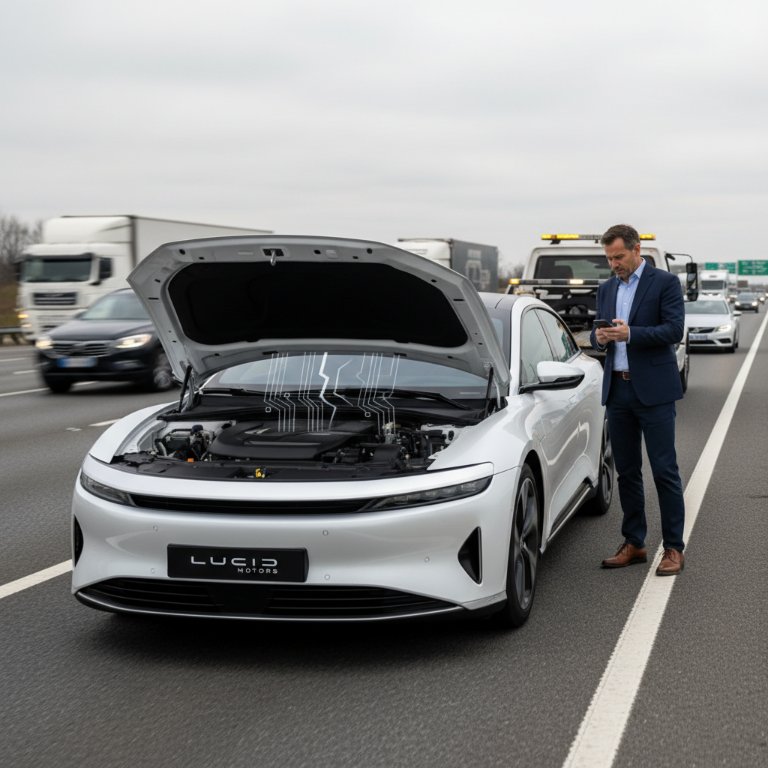
Lucid Motors, the ambitious luxury electric vehicle manufacturer, faces a significant challenge to its burgeoning reputation with the announcement of a recall impacting 2,039 of its Air Pure sedans from the 2023-2025 model years. The issue, identified within the vehicle's inverter, points to a potentially critical flaw that could lead to sudden power loss while driving, often without warning. This development casts a shadow over Lucid's meticulous engineering claims and demands immediate attention from prospective buyers and industry watchers alike.
The Inverter Vulnerability Unpacked
At the heart of this recall lies a potential durability issue within the inverter, a crucial component responsible for converting DC battery power into AC power to drive the electric motors. Lucid has identified that internal components of the inverter may succumb to damage over time, a direct consequence of motor vibrations. This degradation can lead to signal interruptions, ultimately resulting in the vehicle losing propulsive power. The most alarming aspect is the potential for this power loss to occur unexpectedly, posing a significant safety risk to occupants and other road users.
This isn't merely a software glitch or a minor trim issue. A sudden loss of power, particularly at speed, is a severe safety concern that directly impacts the fundamental function of the vehicle. For a brand positioning itself at the pinnacle of automotive luxury and performance, such a foundational flaw raises immediate questions about design robustness and manufacturing quality control.
Lucid's Quality Control Under the Microscope
Lucid Motors burst onto the scene with the promise of unprecedented range and groundbreaking performance, aiming squarely at the top tier of the EV market currently dominated by the likes of Tesla's Model S and high-end offerings from Mercedes-Benz and Porsche. The company's strategy has hinged on showcasing superior engineering and a premium ownership experience. However, scaling production and maintaining impeccable quality are formidable hurdles for any nascent automaker, a reality that this latest recall starkly underscores.
While recalls are an unfortunate but common part of the automotive industry, for a relatively young luxury brand like Lucid, each recall carries disproportionate weight. It directly challenges the brand's narrative of engineering excellence and can erode the crucial trust that premium buyers place in their vehicles. This incident follows earlier, albeit smaller, challenges in Lucid's production ramp-up, suggesting that the complexities of high-volume manufacturing for cutting-edge EV technology continue to present significant growing pains.
Why This Matters:
Erosion of Brand Confidence: For a premium marque like Lucid, reliability and safety are non-negotiable pillars. A recall involving a fundamental component leading to power loss directly threatens the brand's hard-earned reputation for advanced engineering and safety. Prospective buyers in the luxury segment demand perfection, and repeated quality concerns can steer them toward more established alternatives. This is a significant blow to the brand trust Lucid is painstakingly trying to build.
Financial and Operational Strain: Recalls are expensive, not just in terms of parts and labor, but also in logistics, customer communication, and potential legal liabilities. For a company still working towards sustained profitability, this represents an unwelcome drain on resources and management focus, potentially delaying other critical development or expansion plans.
Industry Signal for EV Startups: This incident serves as a stark reminder of the immense challenges new EV manufacturers face in transitioning from innovative design to reliable, mass-produced vehicles. While design prowess can attract initial interest, consistent manufacturing quality is the ultimate arbiter of long-term success. It reinforces the notion that established automotive giants, despite their slower EV transitions, often possess a deeper institutional knowledge in manufacturing robustness.
Competitive Landscape Impact: In the fiercely competitive luxury EV space, any chink in a competitor's armor is an opportunity. This recall could provide an opening for rivals like Tesla, Mercedes-Benz, and Porsche to emphasize their own vehicle reliability and mature production processes, potentially swaying hesitant Lucid customers.
Lucid's ability to swiftly and transparently address this recall will be crucial. How it communicates with affected owners, the efficiency of its service network, and the clarity of its long-term solution will heavily influence how quickly it can rebuild trust and mitigate the reputational damage.
This inverter recall is a significant moment for Lucid Motors. It's a clear signal that while innovation can capture headlines, meticulous quality control throughout the production process is what ultimately builds a lasting automotive legacy. Lucid must act decisively to reaffirm its commitment to safety and reliability, ensuring this challenge doesn't derail its ambitious journey in the premium EV market.