Mastering the Kilowatt: Why Smart Efficiency is the New Range for EV Owners
As electric vehicles rapidly integrate into our daily lives and, crucially, into commercial fleets, the conversation is shifting. It’s no longer solel...
Editorial Team
World Of EV
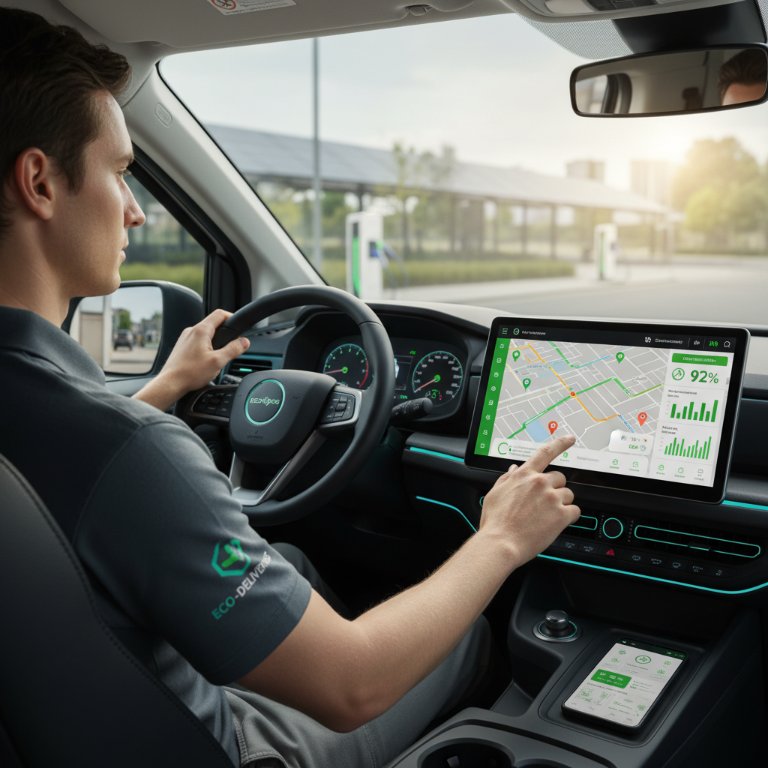
As electric vehicles rapidly integrate into our daily lives and, crucially, into commercial fleets, the conversation is shifting. It’s no longer solely about battery capacity or charging speed; the true frontier of EV optimization lies in intelligent efficiency. A recently highlighted 'life hack' for EV owners, particularly those in demanding commercial delivery roles, underscores this critical evolution: strategic adoption of eco-driving modes and meticulous data analysis. This isn't just about saving a few electrons; it's about unlocking the full economic and operational potential of every EV.
Unlocking Efficiency with Eco-Driving Modes
The concept of 'eco-driving modes' has been present in internal combustion engine (ICE) vehicles for years, but its impact in the electric realm is profoundly different. Unlike ICE cars where 'eco' often meant a sluggish, frustrating experience, in EVs, these modes are sophisticated, software-driven interventions that precisely manage energy flow.
- Optimized Throttle Response: Eco-modes recalibrate the accelerator pedal, smoothing out power delivery and discouraging sudden, energy-intensive accelerations. This reduces peak current draw, a major drain on battery life and efficiency.
- Judicious Power Output: The system intelligently caps maximum power, ensuring that even under heavy acceleration, the vehicle operates within its most efficient power band. This is particularly vital for urban delivery cycles, which are often characterized by stop-and-go traffic.
- Intelligent Climate Control: Heating and cooling are among the biggest energy consumers in an EV. Eco-modes often moderate climate settings, slightly reducing fan speeds, adjusting temperature targets, or pre-conditioning the cabin more strategically to minimize energy expenditure without significantly compromising passenger comfort.
These adjustments are not merely cosmetic; they fundamentally alter the vehicle's energy profile, potentially adding significant usable range and reducing operational costs.
Leveraging Data for Smarter Driving
Beyond the preset modes, the true power for the savvy EV owner and fleet manager lies in analytics. Modern EVs are data-generating machines, and ignoring this wealth of information is akin to driving blind.
- Onboard Systems: Most contemporary EVs feature detailed energy consumption displays and trip computers. These provide real-time and historical data on energy usage, regeneration effectiveness, and the impact of various auxiliaries.
- Proprietary and Third-Party Apps: A growing ecosystem of mobile applications, both from manufacturers and independent developers, connects to the vehicle's data. These apps often offer:
- Driving Habit Insights: Detailed breakdowns of acceleration, braking, and coasting patterns.
- Route-Specific Efficiency Analysis: Understanding how different routes or traffic conditions impact consumption.
- Predictive Range Tools: More accurate range estimates based on historical driving and environmental factors.
- Early Issue Identification: By regularly reviewing consumption data, drivers and fleet managers can spot anomalous drops in efficiency that might signal a developing mechanical or electrical issue before it escalates into a costly repair or breakdown.
Why This Matters:
This renewed focus on efficiency optimization is not just a 'life hack'; it's a strategic imperative shaping the future of EV adoption, particularly in the commercial sector. For individual owners, understanding and applying these strategies directly translates into alleviating range anxiety and reducing charging frequency, making EV ownership more seamless and convenient. For commercial fleets, which operate on razor-thin margins, the implications are profound. Enhanced efficiency means lower per-mile operational costs, maximizing uptime, and extending the economic viability of each vehicle. This signals a market maturation where battery size alone isn't the only metric of value; sophisticated energy management is equally, if not more, crucial. Winners here are undoubtedly the proactive EV owners and fleet managers who embrace this data-driven approach, maximizing their investment. Manufacturers who build more intuitive efficiency tools into their vehicles and applications will also gain a competitive edge. This isn't a 'do-or-die' moment for any single company, but it certainly pushes the industry further toward holistic sustainability and practical, everyday usability, moving beyond raw specifications to real-world performance.
The Future is Efficient
The future of electric mobility isn't solely about pushing the boundaries of battery chemistry; it's also about extracting every possible kilowatt-hour from existing technology through intelligent operation. By actively engaging with eco-driving modes and leveraging the rich data streams modern EVs provide, owners and operators are not just extending their range—they are redefining the very meaning of efficient, sustainable transportation. The most powerful tool in an EV owner's arsenal isn't always the biggest battery, but the smartest driving strategy.