Navigating the New EV Reality: Used Market Surges as New Sales Face Unpredictability
The electric vehicle market finds itself at a pivotal juncture, grappling with a complex interplay of forces that are recalibrating growth expectation...
Editorial Team
World Of EV
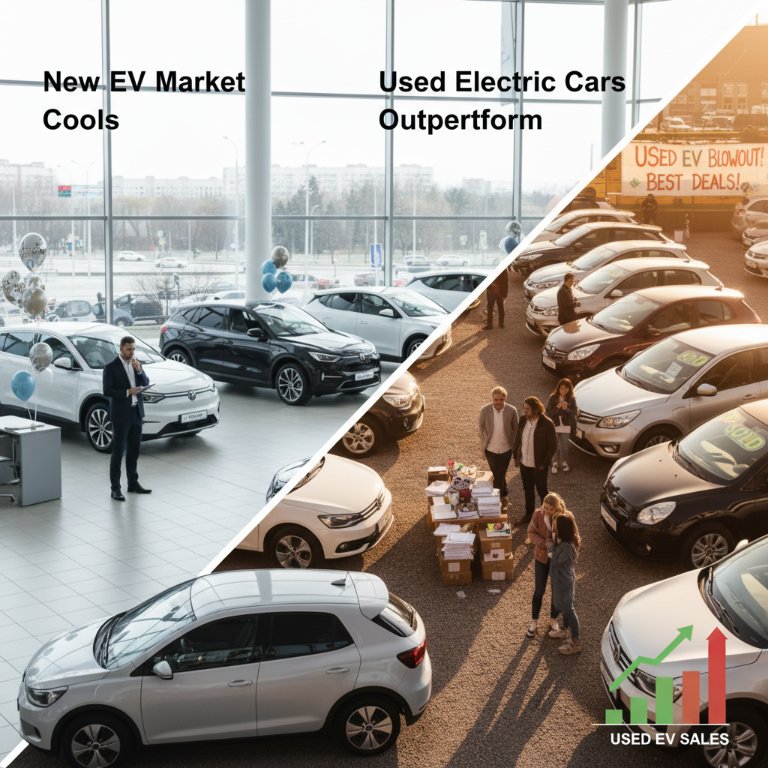
The electric vehicle market finds itself at a pivotal juncture, grappling with a complex interplay of forces that are recalibrating growth expectations. While new EV sales are projected to remain unpredictable due to overall market softness, evolving incentive strategies, and inconsistent inventory distribution, a significant and increasingly resilient trend is taking hold: the burgeoning used EV sector. This segment is not just growing; it's demonstrating the strongest expansion and establishing itself as the most reliable driver of EV adoption through 2026, offering crucial stability amidst a fluctuating landscape.
The Shifting Sands of New EV Sales
For years, the narrative around new EV sales has been one of relentless, often exponential, growth. However, recent data paints a more nuanced picture. The market is experiencing a period of considerable unpredictability, a direct consequence of several factors that are collectively dampening the pace of new vehicle uptake.
- Overall Market Softness: Broader economic headwinds and consumer caution are impacting big-ticket purchases across the automotive industry, and EVs are not immune. The initial rush of early adopters has largely subsided, pushing manufacturers to appeal to a more price-sensitive and pragmatic mainstream buyer who may be hesitant amidst economic uncertainty.
- Evolving Incentive Strategies: Government incentives, once a powerful catalyst for EV purchases, are continually shifting. Changes in eligibility, phase-outs, and varying regional policies create a confusing patchwork for consumers, making purchase decisions more complex and less predictable than before. This is a far cry from the more straightforward, widely available incentives of just a few years ago.
- Inconsistent Inventory Distribution: Despite some models facing production constraints, others sit on lots. This uneven distribution can lead to regional oversupply in some areas while demand goes unmet in others, creating inefficiencies and frustrating both dealers and potential buyers. This is a stark contrast to the 'sell-everything-we-can-make' era that defined the early days of EV mass production.
However, a subtle but critical shift is occurring in the supply chain: an easing of oversupply concerns, suggested by tightening supply conditions for some models. This indicates that manufacturers are beginning to recalibrate production more effectively to meet actual demand, potentially signaling a healthier, albeit slower, market adjustment.
The Unstoppable Rise of the Used EV Sector
While the new car market navigates its turbulence, the used EV sector is not just performing well; it's thriving. This segment is experiencing unprecedented growth, solidifying its position as the most resilient part of the EV market and providing a vital pathway for broader electrification.
Key drivers for this robust expansion include:
- Expanding Range of Models: As more new EVs hit the market each year, the diversity of models available in the used market naturally increases. Buyers now have a wider array of choices in terms of price, size, range, and brand, from economical commuters to luxury performance vehicles, making EV ownership accessible to a much broader demographic.
- Increasing Volumes of Off-Lease Vehicles: A significant wave of early EV leases is now maturing, feeding a steady stream of relatively new, well-maintained, and often warrantied vehicles into the used market. These vehicles offer compelling value propositions compared to their new counterparts, often at a substantial discount.
- Quicker Turnover Rates: The rapid turnover of used EVs underscores strong consumer demand and a healthy market liquidity. This indicates that buyers are confident in the long-term value and usability of pre-owned electric vehicles, a crucial indicator of market maturity.
Why This Matters:
This dynamic shift in market performance is more than just a statistical blip; it signals a fundamental maturation of the electric vehicle ecosystem. The strength of the used EV market is a resounding victory for accessibility and mainstream adoption, ultimately solidifying the long-term trajectory of electrification.
Who wins? Consumers, unequivocally. The robust used market provides more affordable entry points into EV ownership, dismantling one of the biggest barriers to adoption: initial purchase price. This democratizes access to EV technology, allowing a broader swathe of the population to enjoy the benefits of electric mobility. Additionally, independent used car dealerships and platforms specializing in EVs are poised for significant growth, becoming key players in the transition. Ultimately, the entire EV movement wins, as a strong secondary market is essential for the long-term health and growth of any automotive segment, creating a virtuous cycle where new sales eventually fuel a thriving used market.
Who loses? New EV manufacturers that have staked their entire strategy on rapid, uninterrupted new vehicle growth may face challenges. They will need to adapt their production forecasts, pricing strategies, and incentive programs to better align with evolving consumer behavior and the competitive pressure from a flourishing used market. The days of simply building and selling at any price are over; strategic differentiation and value proposition are more critical than ever.
This signals to the market that while the initial, often subsidized, growth phase for new EVs is stabilizing, the underlying demand for electric mobility is robust and expanding. It's not a 'do-or-die' moment for the industry as a whole, but rather a strategic inflection point requiring manufacturers to adjust their sails and embrace a more diverse and mature market reality. The focus shifts from merely pushing new units to fostering a holistic EV ecosystem that includes a vibrant and accessible secondary market.
The Road Ahead: A Mature Market Takes Shape
The current market conditions underscore that the EV transition is not a straight line but an evolving journey. While new EV sales navigate a period of adjustment, the booming used EV market provides a powerful counter-narrative, proving that the desire for electric vehicles remains strong and widespread. Industry players must now strategically pivot, recognizing the critical role of the secondary market in driving long-term adoption and ensuring that electric mobility truly becomes accessible to all.