NissanConnect Shutdown for Older Leafs: A Wake-Up Call for EV Longevity
The automotive industry, particularly the electric vehicle segment, just received a stark reminder of the challenges inherent in long-term technology ...
Editorial Team
World Of EV
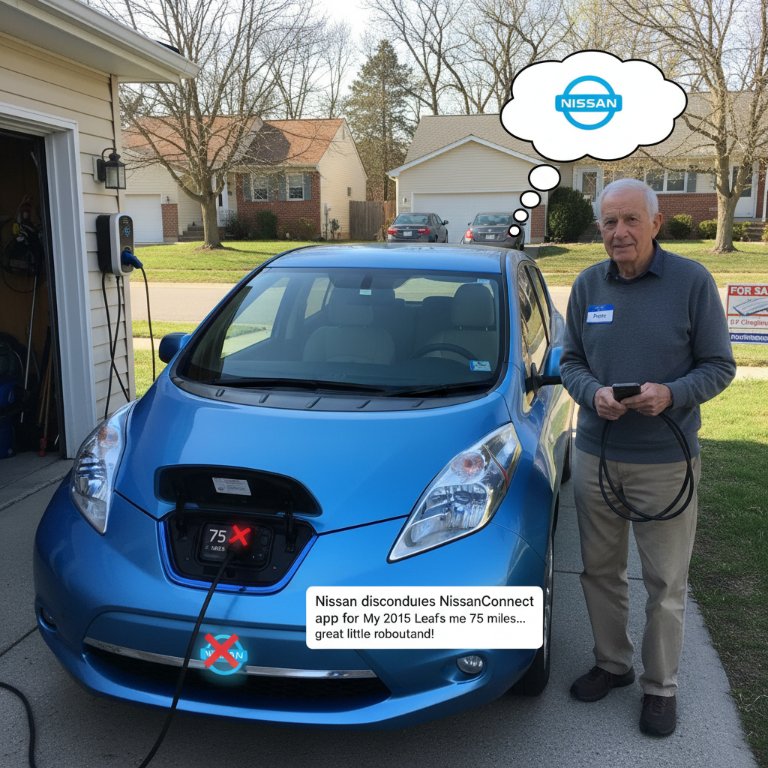
The automotive industry, particularly the electric vehicle segment, just received a stark reminder of the challenges inherent in long-term technology support. Nissan, one of the pioneers of mass-market EVs, has quietly pulled the plug on its NissanConnect app for older models of its venerable Leaf. This move, while perhaps economically rational for the automaker, sends ripples of concern through the EV community, prompting a critical examination of what 'connected' truly means for vehicle ownership.
The Disconnect: What Nissan's Move Means
For many early adopters, the Nissan Leaf represented the accessible future of personal transportation. Owners embraced not just the electric powertrain but also the nascent connected services that promised remote control and monitoring. Now, those early promises are facing an expiry date. Nissan's decision means that features like remote charging control, climate pre-conditioning, and battery status checks, once convenient staples, are no longer available for a significant portion of its early EV fleet. This isn't just about losing a gimmick; for many, these functions were integral to their EV ownership experience.
- Loss of Functionality: Owners lose the ability to remotely manage charging schedules, pre-heat/cool the cabin, or check critical battery health data via the app.
- Impact on Convenience: The convenience factor, a significant draw for connected vehicles, diminishes for these legacy models.
- Digital Obsolescence: This action highlights the accelerating pace of digital obsolescence in vehicles, a challenge traditional combustion engine cars rarely faced in the same manner.
One owner, identified only as 'Peter,' perfectly encapsulates the sentiment. Speaking about his 2015 Nissan Leaf, he noted it still reliably delivers around 75 miles of range and is charged about once a week, describing it as a 'great little roundabout.' For owners like Peter, who rely on their EVs for daily commutes and expect fundamental functionality, the sudden withdrawal of a core connected service isn't just an inconvenience; it's a betrayal of the long-term support implicitly promised with a modern vehicle. The Leaf's physical components continue to perform, but its digital life support has been cut.
Why This Matters:
This isn't just a Nissan story; it's a crucial inflection point for the entire EV industry and every prospective buyer. The shutdown of NissanConnect for older Leafs forces a confrontation with uncomfortable truths about the longevity of in-car technology and manufacturer responsibility.
- The Unspoken Lifecycle of Connected Services: Unlike traditional mechanical components with clear service intervals, the lifecycle of software and cloud services remains opaque. Nissan's move establishes a precedent, suggesting that connected features may have a lifespan shorter than the vehicle's functional life, or even its owner's expected period of ownership.
- Erosion of Trust and Brand Loyalty: For owners who invested early in Nissan's EV vision, this decision can feel like being left behind. It risks eroding brand loyalty and planting seeds of doubt about long-term support from any manufacturer.
- Resale Value Implications: The loss of connected features, especially those that enhance convenience and pre-drive preparation, could negatively impact the resale value of older EVs, making them less attractive to second-hand buyers who increasingly expect smart functionality.
- A Call for Industry Standards: This event underscores the urgent need for manufacturers to be transparent about the expected support duration for connected services. Could industry-wide standards or at least clear communication on software end-of-life policies become a consumer expectation, similar to warranty periods?
- Who Wins? Who Loses? In the short term, Nissan saves on server costs and development for legacy platforms. However, they risk losing goodwill. Existing owners of older Leafs unequivocally lose functionality. The broader market loses confidence in the 'always connected' promise of modern vehicles, potentially fueling demand for more transparent, longer-term service commitments from other brands.
The NissanConnect shutdown serves as a vital lesson: while hardware can endure for decades, software and its supporting infrastructure are inherently more ephemeral. It compels a re-evaluation of what consumers are truly buying when they purchase a 'smart' or 'connected car' and highlights the growing chasm between physical and digital longevity in our vehicles.
Moving forward, consumers will undoubtedly scrutinize manufacturer commitments to software support with greater intensity. This event should prompt every automaker to develop clearer, more robust strategies for managing the lifecycle of their connected services, ensuring that the promise of advanced technology doesn't turn into a premature obsolescence for their most loyal customers.