No Tax Credits? No Problem: How Stable Pricing Is Fueling The Surprising Rebound In EV Demand
Remember the 'EV winter' headlines that dominated mainstream media over the last 18 months? Analysts warned of a catastrophic drop in consumer interes...
Editorial Team
World Of EV
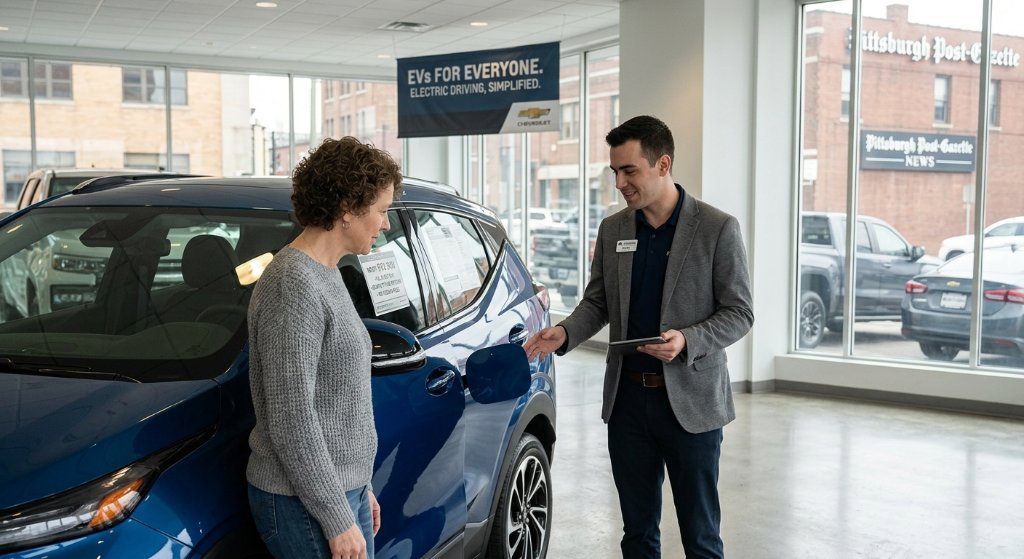
Remember the 'EV winter' headlines that dominated mainstream media over the last 18 months? Analysts warned of a catastrophic drop in consumer interest as early-adopter enthusiasm waned and crucial federal tax credits expired or tightened. Today, those fears are officially being put to rest. A comprehensive new market review confirms that consumer demand for electric vehicles is staging a robust rebound—and the drivers of this recovery are far more sustainable than government subsidies.
After a shaky transition period marked by confusion over changing subsidy eligibility (such as the shifting US IRA rules and the abrupt end of Germany’s environmental bonus), the EV market is entering its second phase of maturity. Instead of fleeing showrooms, buyers are flocking back. This time, they aren't chasing tax loopholes; they are responding to the fundamental economic forces of stable, highly competitive pricing.
The Post-Subsidy Pricing Shakeout
When major governments began winding down or strictly limiting EV tax credits, many feared a sales cliff. Instead, it forced an overdue market correction. Automakers, realizing they could no longer rely on federal incentives to bridge the price gap for consumers, took matters into their own hands.
- Price Adjustment Strategies: Rather than keeping MSRPs artificially high, legacy brands and pure-play EV makers have aggressively adjusted their pricing structures, introduced attractive leasing deals, and trimmed manufacturing fat to maintain competitive transaction prices.
- Falling Battery Costs: The critical driver behind this stabilization is the falling cost of raw materials and battery packs, which has allowed manufacturers to absorb the loss of subsidies without destroying their profit margins.
- Inventory Normalization: The wild dealer markups and supply chain bottlenecks of 2022 and 2023 have vanished, giving buyers a transparent, low-stress purchasing experience.
Why Showrooms Are Buzzing Again
The modern EV buyer is vastly different from the early adopters of five years ago. Today's consumers are pragmatists looking for a reliable, cost-effective commuter vehicle. As EV prices align with internal combustion engine (ICE) vehicles, the math is finally adding up without the need for complex tax calculations. Key factors driving buyers back include:
- MSRP Parity: High-volume EVs like the Hyundai Ioniq 5, Chevrolet Equinox EV, and Tesla Model Y are now pricing directly against their gas-powered counterparts when factoring in total cost of ownership (TCO).
- De-risking via Leasing: Automakers have utilized leasing loopholes to pass along commercial clean vehicle credits directly to consumers, lowering monthly payments to highly competitive levels.
- Infrastructure Maturity: The steady rollout of reliable public charging, including the widespread adoption of the NACS (Tesla) port standard by major automakers, has significantly reduced range and charging anxiety.
Why This Matters:
This market rebound represents a critical, Darwinian transition point for the automotive industry. It proves that electric vehicles are no longer a subsidized luxury niche; they are a viable, self-sustaining mass-market product.
- The Winners: Pragmatic consumers and agile legacy automakers (like Hyundai-Kia and GM) who managed to scale EV platforms quickly while maintaining flexible pricing. Tesla also wins by leveraging its industry-leading margins to dictate terms in the ongoing price wars.
- The Losers: Pure-play EV startups operating on razor-thin margins. Without federal tax credits to artificially boost their value proposition, companies unable to scale manufacturing quickly will face severe cash flow crises.
- The Market Signal: This shift signals to Wall Street and global boards that the 'EV slowdown' was a temporary integration hangover, not a structural rejection of the technology. Automakers that paused or dialed back their electrification plans in panic are now at risk of being left behind as demand stabilizes.
Ultimately, the transition to electric mobility was never going to be a straight line upward. The temporary dip following the removal of federal safety nets was a necessary test of the market's true viability. As we look to the future, the message from consumers is clear: make EVs affordable, keep pricing predictable, and the market will take care of the rest.