Ola Electric Reclaims Momentum: Service Overhaul Drives Sales Surge, But Analysts Spot Headwinds
Ola Electric, a dominant force in India’s electric two-wheeler market, is reporting a significant rebound in sales, a recovery its management directly...
Editorial Team
World Of EV
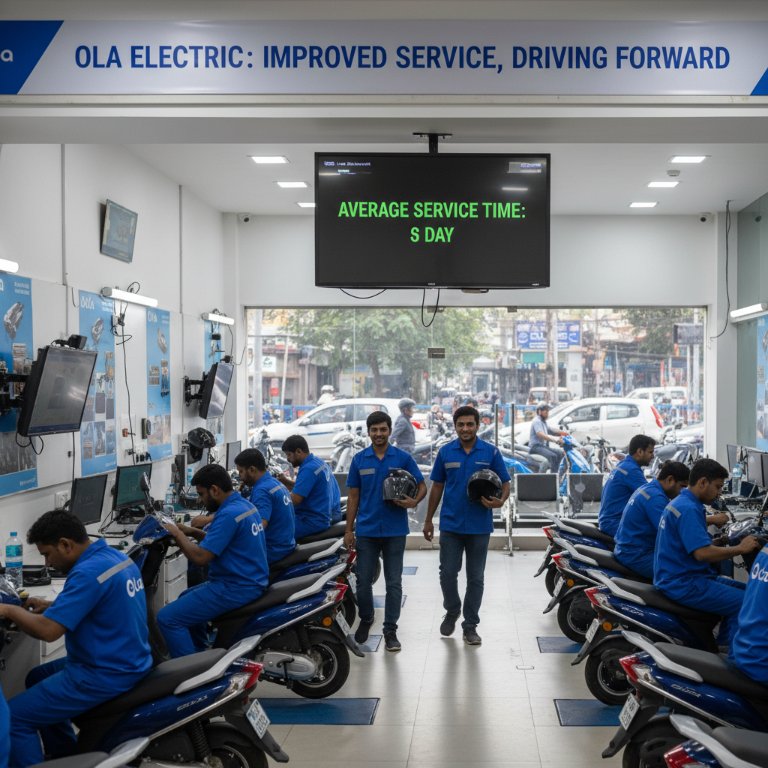
Ola Electric, a dominant force in India’s electric two-wheeler market, is reporting a significant rebound in sales, a recovery its management directly attributes to a dramatic overhaul of its service operations. This turnaround comes after a challenging period in 2025-2026, where pervasive service issues severely constrained demand and eroded brand trust, leading to a notable decline in retail volumes across the board.
The Service Redemption Story
The company has successfully stabilized its once-crippling servicing backlog, a critical achievement that directly addresses what Ola management identified as the primary bottleneck to growth. The most impressive metric in this turnaround is the reported reduction in the average service turnaround time, which has plummeted from an agonizing nine days to a mere one day. This drastic improvement aims to restore consumer confidence, a factor paramount for the nascent EV market where range anxiety is often compounded by service apprehension.
Ambitious Targets and Lingering Skepticism
While Ola Electric celebrates its service-driven recovery, the broader industry remains cautiously optimistic. Analysts, keenly observing the company’s trajectory, point to several persistent challenges that could temper long-term success. Concerns revolve around:
- Weak Volumes: Despite the recovery, the baseline volume might still be a concern for sustainable growth.
- Margin Pressures: The aggressive pricing in the competitive Indian market, coupled with investments in service, could squeeze profitability.
- Lack of Operating Leverage: The ability to scale operations efficiently without a proportional increase in costs remains an unproven hypothesis for Ola.
In response to market dynamics and future growth ambitions, Ola Electric has announced plans for new product launches. The company has also set an aggressive target: capturing a 15-20% market share within the next six months. This signals an intent to not just recover but to expand its footprint significantly in a rapidly evolving landscape.
Why This Matters:
This pivotal moment for Ola Electric transcends a mere sales report; it’s a litmus test for the scalability and consumer acceptance of electric vehicles in a price-sensitive market like India. For prospective buyers, the promise of a one-day service turnaround directly tackles a major pain point, potentially unlocking a new wave of EV adoption by mitigating maintenance worries. For competitors, Ola's aggressive market share target, backed by improved service and new products, will undoubtedly intensify the battle for market dominance, forcing others to reassess their own service infrastructure and product pipelines. Should Ola effectively leverage this service recovery and meet its ambitious market share goals, it could establish a new benchmark for customer support in the two-wheeler EV segment. Conversely, failure to sustain these improvements or overcome the financial headwinds highlighted by analysts could see this recovery as a temporary respite, marking a critical 'do-or-die' moment for the company's long-term viability and leadership aspirations.
Ola Electric’s journey from service woes to a reported sales recovery is a compelling narrative of adaptation and strategic recalibration. The coming months, with planned product launches and a bold market share target, will unequivocally demonstrate if this service-led revival marks a sustainable new chapter or merely a temporary reprieve in a fiercely competitive and rapidly evolving EV landscape.