Pod CEO Melanie Lane Unlocks the Secret to Slashing EV Charging Costs by Over 85%
For many prospective electric vehicle buyers, the math of switching to electric has grown increasingly complicated. While EVs promise lower running co...
Editorial Team
World Of EV
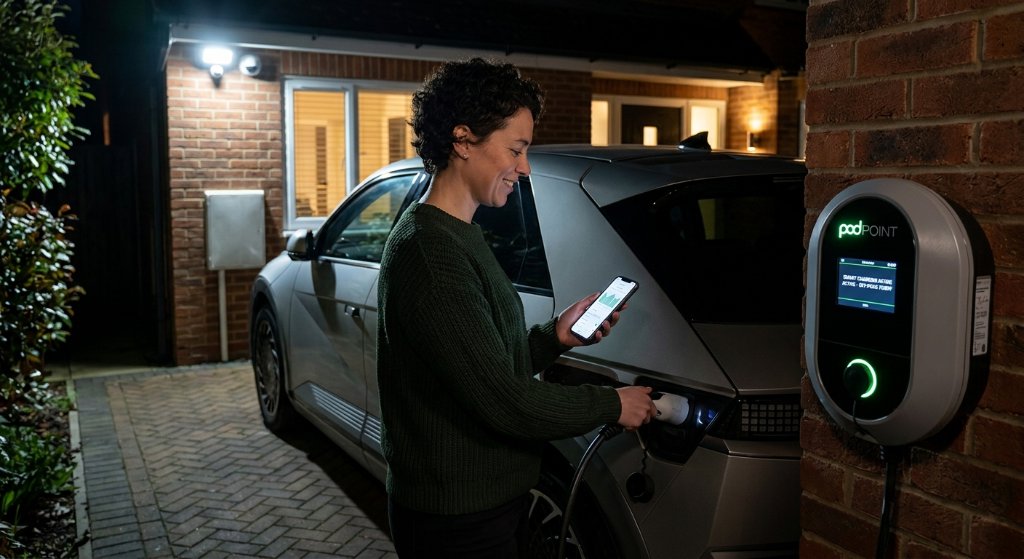
For many prospective electric vehicle buyers, the math of switching to electric has grown increasingly complicated. While EVs promise lower running costs, a volatile energy market and skyrocketing public rapid-charging rates have caused some to question the financial logic of ditching combustion engines. However, Pod CEO Melanie Lane has laid out a definitive blueprint to bypass these high costs entirely, highlighting a simple home-charging strategy that can slash topping-up bills by over 85%.
Under Lane’s leadership, Pod (formerly Pod Point) has transitioned from a legacy charger manufacturer into a comprehensive energy services provider. This evolution comes at a critical time. With public charger prices squeezing drivers, Lane emphasizes that the true financial benefit of EV ownership isn't just about plugging in at home—it is about when you plug in. By leveraging automated smart charging, drivers can tap into specialized off-peak tariffs that fundamentally rewrite the economics of EV ownership.
The Math Behind the Midnight Charge
The core of Lane's strategy lies in the stark price delta between daytime grid demand, public infrastructure, and overnight surplus energy. Standard home charging during the day typically costs around 25p per kWh, while public rapid chargers regularly exceed 60p per kWh. In contrast, "smart charging" at home dynamically shifts a vehicle’s charging cycle to the middle of the night, unlocking dedicated EV tariffs as low as 7p per kWh.
To put these rates into perspective, here is what it costs to fully charge a typical 60 kWh family EV under different scenarios:
- Public Rapid Charger (60p+ per kWh): £36.00+ per charge. This rate brings running costs disappointingly close to those of a traditional petrol or diesel vehicle.
- Standard Daytime Home Charging (25p per kWh): £15.00 per charge. A reasonable saving, but still vulnerable to peak grid rates.
- Off-Peak Smart Charging (7p per kWh): £4.20 per charge. This represents an astronomical 88% saving compared to public chargers and instantly restores the "EV discount" that drivers expect.
Automating the Savings
Smart charging removes the hassle of manual scheduling. Instead of forcing drivers to wake up at midnight to plug in their cars, modern smart chargers like the Pod Solo 3S communicate directly with the grid. Drivers simply plug in when they get home, set their required battery level and departure time via an app, and the system automatically coordinates with the energy supplier to draw power only during cheap, off-peak windows.
This automated balancing act is the foundation of Pod's newer offerings, such as Pod Rewards and Pod Drive. These programs incentivize smart charging by paying cashback to drivers who allow their vehicles to be charged when grid demand is at its lowest, creating a win-win for both consumer wallets and national energy grids.
Why This Matters:
The Expert Take:
The massive cost disparity between home smart charging and public infrastructure signals a major shift in the EV ecosystem.
- The Winners: Homeowners with dedicated driveways and access to smart chargers are the ultimate winners. They enjoy incredibly cheap driving costs that no fossil-fuel vehicle can ever match. Furthermore, energy companies offering these dynamic tariffs win by securing loyal, long-term customers, while grid operators successfully flatten peak demand curves.
- The Losers: This setup exposes a glaring equity gap. Apartment dwellers, street-parked urbanites, and long-distance drivers who rely solely on public charging networks are left paying up to eight times more per mile. This "charging inequality" is a massive barrier to mass-market EV adoption and could create a two-tier society of EV owners if public charging rates are not brought under control.
- The Market Signal: For companies like Pod, the hardware-only business model is dead. Simply selling wallboxes is no longer profitable enough to sustain growth in a maturing market. By transforming into a service provider that integrates hardware, smart tariffs, and cashback rewards, Pod is attempting to lock users into a lifetime ecosystem. Competitors who fail to offer integrated software-and-tariff solutions will find themselves sidelined by platforms that make charging both effortless and phenomenally cheap.
Ultimately, smart charging is no longer just a neat tech feature for early adopters; it is a financial necessity. As energy markets continue to fluctuate, the ability to automate charging and exploit off-peak tariffs will be the defining factor in whether EVs deliver on their promise of ultra-low running costs. For the industry to truly democratize electric mobility, the challenge now lies in bringing these overnight, 7p-per-kWh savings out of the private driveway and into the public sphere.