Polestar 3 Disrupts EV Norms, Luring Traditional Luxury SUV Buyers
The 2026 Polestar 3 Dual Motor Performance is poised to redefine the electric vehicle landscape, not by aggressively showcasing its electric prowess, ...
Editorial Team
World Of EV
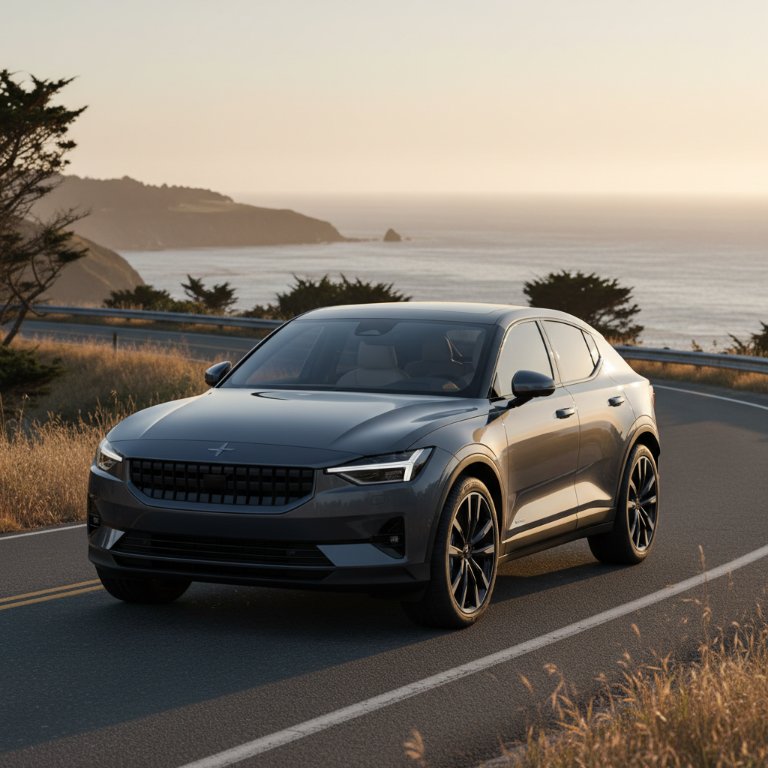
The 2026 Polestar 3 Dual Motor Performance is poised to redefine the electric vehicle landscape, not by aggressively showcasing its electric prowess, but by subtly integrating it into a compelling luxury SUV package. According to a recent review by Adam Gray of How-To Geek, the Polestar 3 is a rare beast: an EV designed specifically to appeal to those who have historically been resistant to electric vehicles. This strategic pivot marks a significant maturation in the EV market, moving beyond early adopter appeal to target a broader, more discerning luxury audience.
Polestar's Calculated Evolution: Luxury First, Electric Second
For years, electric vehicles, particularly newer entrants, have often led with their 'EV personality' – emphasizing blistering acceleration, futuristic designs, and often, an interface that demands a learning curve. While this approach has captivated enthusiasts, it has also alienated a significant segment of luxury vehicle buyers who prioritize refinement, familiar ergonomics, and a seamless daily experience over overt technological displays. Polestar, a brand with deep roots in Volvo's legacy of safety and sophisticated design, appears to be charting a different course with the Polestar 3. It's a calculated move to prioritize the fundamental feel and experience of a premium SUV, with the electric powertrain serving as an advanced, yet understated, means to that end.
- Prioritizing Luxury SUV Feel: The core of Gray's assessment highlights the Polestar 3's dedication to feeling like a high-end SUV first and foremost. This suggests meticulous attention to ride comfort, interior material quality, sound insulation, and overall driving dynamics that resonate with traditional luxury expectations. This is a stark contrast to some competitors who might sacrifice these elements for range or raw acceleration figures.
- Subtle Integration of EV Technology: Rather than an 'over-the-top EV personality,' the Polestar 3 aims for an 'easy-to-live-with daily experience.' This implies a user interface that is intuitive, charging solutions that are practical, and a driving character that feels robust and confident without being overtly 'electric.' It's about making the transition to EV effortless, not a statement.
Why This Matters:
This strategic positioning of the Polestar 3 is more than just a product launch; it's a significant signal to the entire automotive industry. For Polestar, this is a pivotal moment that could cement its identity as a sophisticated luxury EV brand, distinct from performance-obsessed rivals. By de-emphasizing the 'EV-ness' and elevating the 'luxury SUV-ness,' Polestar stands to attract a critical demographic: the traditional luxury buyer who is curious about electrification but put off by perceived compromises or radical departures from convention. These are buyers who value established comfort and refinement over experimental tech.
- Who Wins? Polestar stands to gain a substantial competitive edge by tapping into the affluent market segment that has largely been underserved by 'quirky' or overtly futuristic EVs. This approach could significantly expand the overall EV market by bringing in a new wave of adopters. Consumers who want a premium, comfortable, and aesthetically pleasing SUV that happens to be electric will find the Polestar 3 highly appealing. It also signals a win for the maturation of EV design, moving towards greater integration and less overt differentiation.
- Who Loses? Brands that continue to lean heavily into aggressive EV aesthetics, raw performance, and complex user interfaces without sufficient attention to traditional luxury attributes may find their market shrinking. As the EV segment matures, the novelty of simply being electric will fade, and traditional automotive virtues will reclaim their importance.
- Market Signal: This move underscores a growing trend in the premium EV space: the realization that electrification is a propulsion method, not necessarily a defining personality trait. It suggests that future success in the luxury EV market will increasingly depend on delivering a holistic, refined, and user-friendly experience that rivals or surpasses their internal combustion engine counterparts, rather than just out-accelerating them.
The Polestar 3 is not just another electric SUV; it's a calculated statement about the future of luxury mobility. By prioritizing a conventional yet highly refined luxury SUV experience, with its electric powertrain seamlessly integrated, Polestar is making a bold play for the heart of the premium market. This approach could well be the blueprint for mainstream EV adoption, proving that the best electric vehicles are, at their core, simply great cars.