Polestar 4: A Performance EV Sensation Forging Its Own Path, But Can It Conquer Software Glitches and Design Divides?
The 2026 Polestar 4 is shaking up the electric vehicle landscape, earning an impressive 8.7/10 overall verdict from Autoblog's Cole Attisha, who laude...
Editorial Team
World Of EV
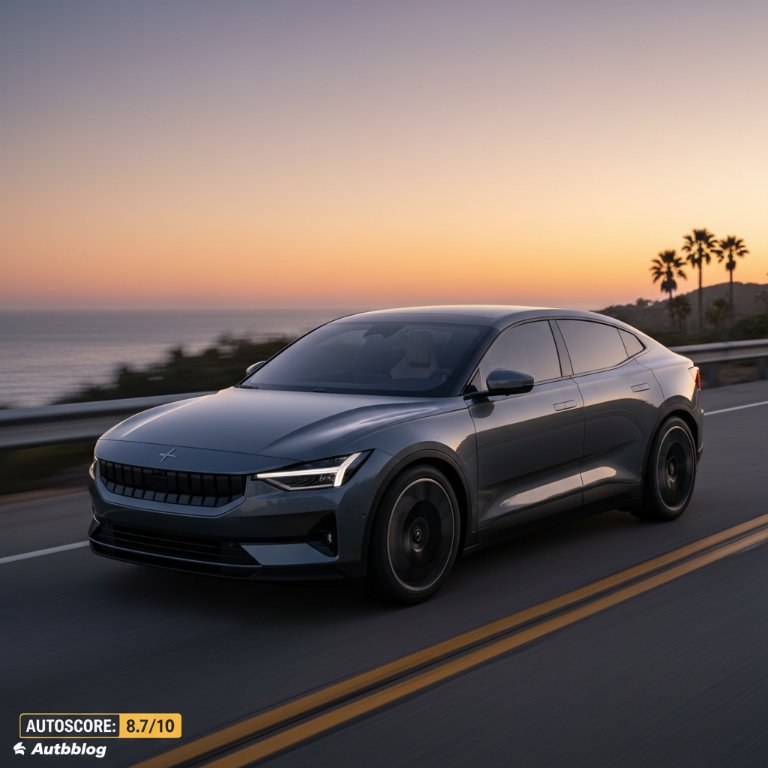
The 2026 Polestar 4 is shaking up the electric vehicle landscape, earning an impressive 8.7/10 overall verdict from Autoblog's Cole Attisha, who lauded its 'extraordinary' dynamic performance. This critical reception positions Polestar's latest offering as a formidable contender in the premium EV crossover segment. However, the Polestar 4 arrives not without controversy, highlighted by its distinctive omission of a rear window and persistent reports of software glitches.
Polestar, born from Volvo's performance division, has consistently aimed to carve out a niche for design-forward, performance-oriented electric vehicles. Unlike some rivals that adapt existing platforms, Polestar has committed to bespoke EV architecture, and the 4 represents a crucial step in distinguishing its identity from its parent company.
Design: Bold Innovation or Divisive Compromise?
The most striking and arguably most debated feature of the Polestar 4 is its complete lack of a conventional rear window. Instead, a body-colored panel extends where glass would traditionally reside, with drivers relying on a high-definition digital rearview mirror fed by a roof-mounted camera. Polestar asserts this bold move enhances aerodynamics, improves structural rigidity, and even offers rear passengers a more reclined, comfortable seating position with increased headroom. While some reviewers found the digital mirror system adequate and even preferable, eliminating issues like glare from headlights, others noted potential issues with depth perception in parking lots and reduced visibility in adverse weather conditions like snow or rain.
Driving Dynamics: Setting a New Benchmark
Where the Polestar 4 shines brightest is in its driving experience. Attisha's review, consistent across various driving environments from frozen race tracks to city streets, declared it a "genuinely extraordinary driving machine." The dual-motor Long Range variant delivers a potent 544 horsepower and 506 lb-ft of torque, propelling the vehicle from 0-60 mph in a swift 3.7 seconds. Even without the optional Performance Pack, the standard car's chassis tuning and Polestar's driver-first philosophy create an engaging and nuanced dynamic character, offering a level of interaction that many competitors, including the Tesla Model Y, struggle to match.
Range, Charging, and Value
The Polestar 4 offers competitive range figures, with the dual-motor model achieving an EPA-rated 280 miles, while the single-motor rear-wheel-drive variant extends this to 310 miles. Equipped with a 100 kWh battery, the vehicle supports DC fast charging up to 200 kW, allowing for a 10-80% charge in approximately 30 minutes. While this charging speed is competent, it's not class-leading compared to some 800-volt systems in the market. Priced competitively, especially with a current discount, the Polestar 4 presents a compelling value proposition in the premium EV segment, potentially undercutting rivals like the Porsche Macan Electric and BMW iX3.
Software: A Persistent Thorn
Despite its many strengths, the Polestar 4 faces a familiar hurdle for many emerging EV manufacturers: software reliability. Reviews indicate that while the infotainment interface is generally clean and responsive, glitches emerged during testing. Reports from owners detail issues ranging from inaccurate GPS readings, malfunctioning driver's seat memory, and inconsistent adaptive cruise control to the infotainment screen acting erratically. While Polestar has a track record of over-the-air updates, these software inconsistencies can be a significant point of frustration for owners expecting a seamless premium experience.
Why This Matters:
The 2026 Polestar 4 is more than just another EV; it's a statement. Its 'extraordinary' driving dynamics solidify Polestar's reputation as a brand for enthusiasts, directly challenging established performance benchmarks in the EV space. This is a crucial win for a brand seeking to differentiate itself in a crowded market. The bold rear-window deletion, while controversial, also underscores Polestar's commitment to avant-garde design and aerodynamic efficiency. This move could attract buyers seeking truly innovative aesthetics, further solidifying Polestar's image as a trendsetter rather than a follower. For those concerned, a wagon variant with a conventional rear window is reportedly on the horizon. However, the software glitches are a significant vulnerability. In an era where vehicle technology is as important as powertrain, these issues can erode consumer confidence and hinder mass adoption, regardless of stellar performance. Polestar must urgently address these software instabilities to protect its premium image and ensure the 4's long-term success against tech-savvy rivals like Tesla. This vehicle is a pivotal moment for Polestar; it has the performance and design audacity to be a game-changer, but its ultimate triumph hinges on perfecting the digital experience.
Conclusion:
The 2026 Polestar 4 stands as a testament to the brand's commitment to performance and distinctive design, delivering an exhilarating driving experience that few electric vehicles can match. Its bold styling, highlighted by the polarizing rear-window omission, ensures it won't be mistaken for anything else on the road. While its range and charging capabilities are solid, and its value proposition strong, Polestar's ongoing battle with software stability remains the primary challenge. Addressing these technological hiccups will be paramount for the Polestar 4 to fully capitalize on its extraordinary potential and cement its place as a leader in the evolving EV market.