Polestar 4's Tariff-Dodging Strategy Ignites Luxury EV Battle Against Tesla Model Y
The U.S. luxury electric vehicle market just welcomed a formidable new challenger, but not without a strategic twist. Polestar's recently debuted Pole...
Editorial Team
World Of EV
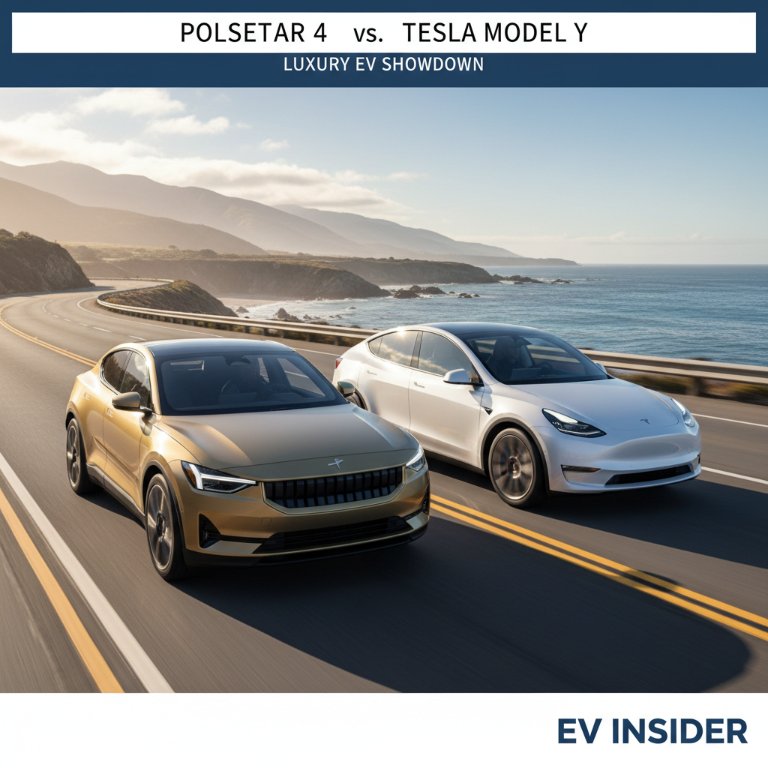
The U.S. luxury electric vehicle market just welcomed a formidable new challenger, but not without a strategic twist. Polestar's recently debuted Polestar 4 SUV is going head-to-head with the segment-dominating Tesla Model Y, marking a significant escalation in the premium EV landscape. What truly sets this rivalry apart, however, is Polestar's audacious move to shift production to South Korea, a direct response to navigating complex U.S. tariffs and ensuring its competitive edge. This isn't merely a new model launch; it's a calculated gambit to secure a foothold in one of the world's most critical EV markets.
A New Contender's Strategic Entry
Polestar, the Swedish-born, Geely-owned performance EV brand, has long positioned itself as a sophisticated alternative in the electric space. Its Polestar 4 SUV, built on Geely's highly adaptable Sustainability Experience Architecture (SEA) platform, recently launched in the U.S. with a distinct design philosophy. Unlike many newcomers, Polestar isn't shy about targeting the segment leader. The Tesla Model Y has enjoyed relatively unchallenged supremacy in the luxury compact EV SUV category, benefiting from early market entry and a robust Supercharger network. Now, the Polestar 4 enters the fray, promising a blend of Scandinavian design and advanced technology to woo discerning buyers.
Crucially, Polestar demonstrated remarkable agility by moving the Polestar 4's assembly from China to South Korea. This strategic pivot directly addresses the escalating U.S. tariffs on Chinese-made goods, which could significantly inflate the vehicle's price and undermine its competitiveness. By relocating production, Polestar aims to bypass these punitive tariffs, a move that could save thousands of dollars for consumers and allow the brand to price the Polestar 4 more aggressively against the Model Y. This decision underscores the profound impact of geopolitical tensions on automotive manufacturing and global supply chains, forcing brands to make significant investments to remain viable in key markets.
Design Philosophy and Performance Showdown
The review highlights a direct comparison of the Polestar 4 and Tesla Model Y across design, concept, and performance – the critical pillars for any luxury vehicle. The Polestar 4 distinguishes itself with a sleek, coupé-like SUV profile, most notably ditching the traditional rear window in favor of a full-glass roof and a camera-based rear-view system. This bold design choice aims for a unique aesthetic and potentially improved aerodynamics, setting it apart from the Model Y's more conventional, if minimalist, crossover shape. Performance in this segment is paramount, with both vehicles expected to deliver exhilarating acceleration, dynamic handling, and respectable range, catering to an audience that values driving engagement as much as electric efficiency. While specific performance metrics were not detailed, the very comparison implies that the Polestar 4 is engineered to deliver a compelling, performance-oriented luxury EV experience directly comparable to Tesla's proven offering.
Why This Matters:
This head-to-head battle between the Polestar 4 and Tesla Model Y, particularly with Polestar's tariff workaround, carries profound implications for the luxury EV market and the broader automotive industry.
-
Increased Competition Benefits Consumers: The immediate winner is the consumer. More robust competition in the luxury EV SUV segment will drive innovation, potentially lead to more aggressive pricing strategies, and offer a wider array of design and technology choices. For years, the Model Y has had a relatively clear run; Polestar's direct challenge forces everyone to up their game.
-
Polestar's Global Ambitions Solidified: For Polestar, this strategic manufacturing shift is a 'do-or-die' moment for its U.S. market aspirations. Successfully circumventing tariffs allows it to compete on a level playing field, crucial for establishing market share and brand recognition against deeply entrenched rivals. It signals Polestar's commitment to becoming a truly global player, not just a niche brand.
-
Tesla Faces Renewed Pressure: While Tesla remains a powerhouse, the increasing sophistication and strategic cunning of competitors like Polestar means it can no longer rely solely on its first-mover advantage. Tesla will need to continue innovating, perhaps reconsidering its pricing strategies, and further enhancing its product offerings to maintain its lead against a growing wave of premium challengers.
-
Geopolitics Shapes Automotive Future: This move by Polestar vividly illustrates how geopolitical factors, specifically international trade tariffs and relations, are now fundamental considerations in automotive production and market strategy. Manufacturers must be agile and willing to invest significantly to navigate complex global dynamics, impacting everything from factory locations to vehicle pricing.
-
SEA Platform's Validation: The Polestar 4's strong showing further validates Geely's SEA platform as a truly competitive and versatile architecture for premium electric vehicles. Its ability to underpin diverse models with compelling performance and design suggests a strong future for Geely-backed brands.
The Polestar 4's strategic entry into the U.S. market, underscored by its tariff-bypassing manufacturing pivot, marks a pivotal moment in the luxury EV segment. This isn't just about a new SUV; it's about the relentless pursuit of market share, the profound influence of global trade policies, and the intensifying battle for the hearts and wallets of discerning electric vehicle enthusiasts. The stage is set for an exciting new chapter in the electrification race, with consumers ultimately reaping the rewards of this fierce competition.