Rising Costs Cloud EV Home Charging Satisfaction; Tesla's Integrated Approach Continues to Dominate
The promise of effortless home charging, a cornerstone of the electric vehicle ownership experience, faces a significant challenge as owner satisfacti...
Editorial Team
World Of EV
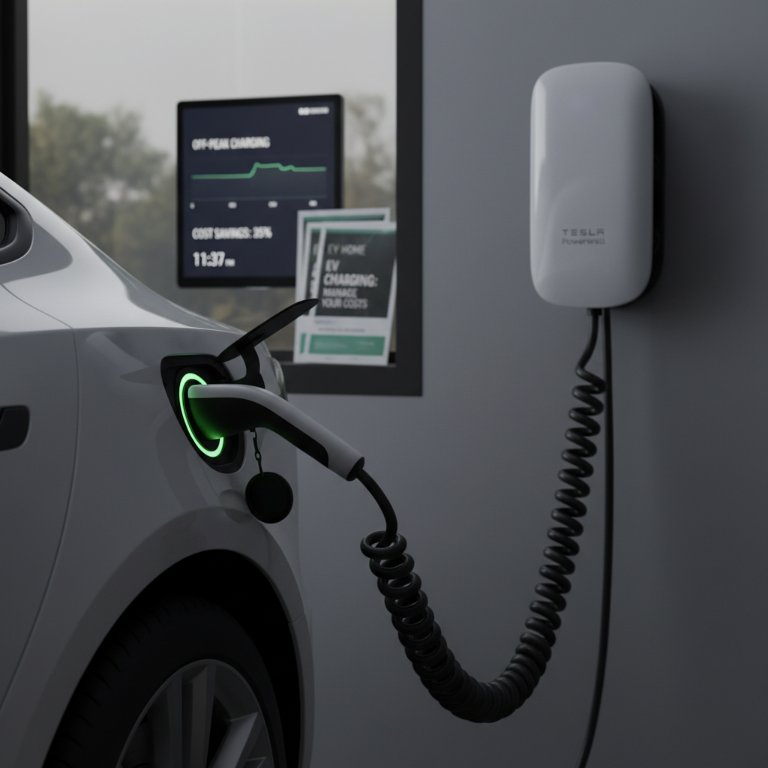
The promise of effortless home charging, a cornerstone of the electric vehicle ownership experience, faces a significant challenge as owner satisfaction with Level 1 and Level 2 portable chargers plummets. The recently released J.D. Power 2026 U.S. Electric Vehicle Experience (EVX) Home Charging Study reveals a concerning trend, primarily attributing the decline to escalating electricity costs and a notable deficiency in consumer education regarding expense management. This unexpected dip signals a crucial inflection point for the industry, demanding a proactive response to maintain the momentum of EV adoption.
The Cost Conundrum: Undermining Convenience
For years, the convenience of waking up to a fully charged EV at home has been a major selling point. However, the J.D. Power study now confirms what many EV owners have been experiencing firsthand: the hidden costs are eroding that satisfaction. The decline observed in satisfaction for both Level 1 (standard household outlet) and Level 2 portable chargers directly correlates with the rising price of electricity across the nation. This is particularly problematic as many new EV buyers initially rely on these portable solutions, often included with their vehicle, as their primary charging method. The lack of clear guidance on how to minimize these expenses creates a frustrating and potentially off-putting introduction to EV ownership.
The Off-Peak Advantage: A Clear Path to Higher Satisfaction
Amidst the overall decline, the study illuminated a critical pathway to improved satisfaction: scheduled, off-peak charging. Owners who consistently leveraged off-peak electricity rates for charging reported significantly higher satisfaction levels. This finding underscores the vital role of consumer education. Many new EV owners, accustomed to traditional fueling habits, may not be aware of time-of-use (TOU) utility plans or the substantial savings available by simply adjusting their charging schedule. The industry must move beyond simply providing chargers and actively educate owners on smart charging practices and the financial benefits of strategic scheduling.
Tesla's Unbroken Reign: An Ecosystem Advantage
While portable charger satisfaction falters, one player continues to excel: Tesla. For the sixth consecutive year, Tesla has ranked highest in owner satisfaction for permanently mounted Level 2 home chargers. This consistent dominance isn't accidental; it’s a testament to Tesla’s integrated ecosystem approach. From the moment of purchase, Tesla owners are often guided towards the Wall Connector, a robust and deeply integrated charging solution that offers seamless connectivity with the vehicle and Tesla's energy management systems. This long-standing leadership in fixed home charging contrasts sharply with the struggles observed in more generic, less integrated portable solutions, highlighting the value of a comprehensive, user-centric approach to the entire charging experience.
Why This Matters:
This latest J.D. Power report is far more than just a snapshot of consumer sentiment; it's a critical warning shot across the bow of the entire EV industry. The diminishing satisfaction with common home charging methods could inadvertently pump the brakes on broader EV adoption. If the fundamental convenience of home charging is undermined by unexpected costs and a lack of clear guidance, potential buyers may hesitate to make the switch.
- Who Loses: Automakers who merely bundle a portable charger without providing robust education or integrated smart charging solutions will see their customers struggle. Utility companies that fail to clearly communicate off-peak benefits and simple enrollment processes also miss an opportunity to foster EV adoption. The biggest losers, however, are potentially new EV owners who face an unexpectedly expensive or confusing initial charging experience, potentially tainting their view of EV ownership itself.
- Who Wins: Tesla, with its long-standing, integrated home charging ecosystem, continues to solidify its advantage. Beyond Tesla, companies developing smart home energy management systems, advanced permanent Level 2 chargers with built-in scheduling, and utilities actively promoting and simplifying off-peak charging programs stand to gain significantly. This data also creates an urgent mandate for third-party charging infrastructure providers to innovate beyond hardware, focusing heavily on software, user interface, and educational tools.
- Market Signals: The market is signaling a clear shift from mere functionality to holistic user experience and cost management. It’s no longer enough to just provide a way to charge; the industry must provide an intelligent and economical way to charge. This study could be a catalyst for greater collaboration between automakers, utilities, and charging hardware manufacturers to create a more seamless and financially transparent home charging journey.
Moving forward, the industry must pivot aggressively. Automakers cannot simply hand over a portable charger and expect owners to figure out the complexities of electricity rates. Proactive education, integration of smart charging features directly into vehicles and chargers, and closer partnerships with utility providers are no longer optional — they are imperative for sustaining the growth of the EV market. The future of home charging demands not just power, but also empowerment through knowledge and intelligent solutions.