Skip the Upgrade: Why 'Tech Hoarding' and These 4 Longevity Hacks Are the Future of EV Ownership
Rapid depreciation and skyrocketing interest rates are forcing a massive paradigm shift in the electric vehicle market. While legacy automakers and te...
Editorial Team
World Of EV
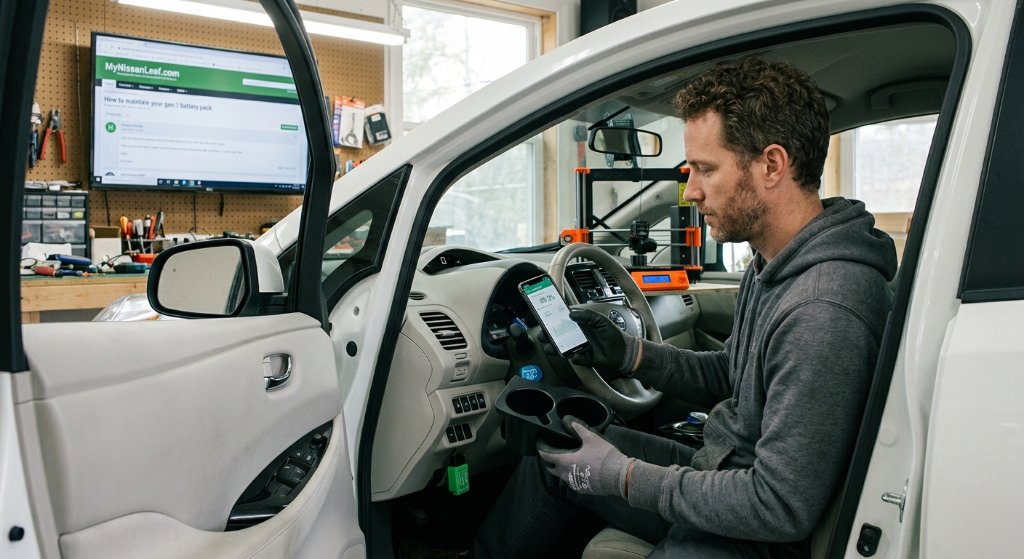
Rapid depreciation and skyrocketing interest rates are forcing a massive paradigm shift in the electric vehicle market. While legacy automakers and tech-forward startups want you to trade in your EV every three years like a smartphone, a growing movement of savvy owners is doing the exact opposite.
In the early days of modern EVs, owners of cars like the first-generation Nissan Leaf were plagued by rapid battery degradation and zero aftermarket support, forcing many into premature upgrades. Today, a new guide from Transport Evolved champions a strategy called "tech hoarding"—maximizing the lifespan of your current EV to beat the depreciation curve and bypass the costly cycle of constant upgrading. By shifting the ownership mindset from disposable tech to long-term asset, drivers are successfully pushing their EVs far past their warranty expirations.
Taking Control of the Battery Health Metric
For years, EV manufacturers have kept drivers in the dark regarding the true health of their lithium-ion packs, offering vague dashboard "guess-o-meters" instead of hard data. Tech-hoarding owners are bypassing this corporate gatekeeping by using OBD-II (On-Board Diagnostics) dongles paired with specialized apps like LeafSpy or OBDLink.
- Real-Time State of Health (SoH) Tracking: Monitor the actual capacity loss over time, helping you plan road trips with absolute accuracy.
- Cell Voltage Variance: Identify weak or failing cells before they trigger a catastrophic battery pack failure.
- Thermal Management Monitoring: Understand how fast charging and weather affect your pack's temperature, allowing you to adjust habits to prolong battery life.
Demystifying Maintenance with Community and Independent Specialists
When a modern EV encounters an out-of-warranty issue, traditional dealership service centers often suggest a nuclear option: replacing the entire battery pack or drive unit at a cost that easily exceeds the car's residual value. To combat this, experienced EV owners are shifting their loyalty away from the dealer network.
- Crowdsourced Troubleshooting: Dedicated enthusiast forums and subreddits act as decentralized engineering networks. Owners regularly share diagnostic codes, software workarounds, and step-by-step guides to fix common glitches without spending a dime.
- The Rise of Independent EV Specialists: A growing network of third-party mechanics is specializing in high-voltage repairs. These independent shops will actually open battery packs to swap individual bad modules or repair corroded wiring harnesses—saving owners tens of thousands of dollars compared to OEM replacements.
3D Printing and Bespoke Cabin Upgrades
One of the easiest ways an older EV begins to feel dated is its interior utility. Since manufacturers rarely support older models with interior accessories, tech-minded owners are turning to additive manufacturing (3D printing) to modernize their cabins.
- Custom Cabin Solutions: Owners are designing and printing bespoke phone mounts, cup holder adapters, and cable routing clips tailored to their specific cabin geometry.
- Obsolete Part Replacement: Instead of paying premium dealer markups for a broken plastic vent tab or glovebox clip, owners can download open-source CAD files and print replacement parts at home for pennies.
Why This Matters:
This shift toward "tech hoarding" is more than a collection of clever DIY shortcuts; it is a direct challenge to the automotive industry's attempt to establish a smartphone-like upgrade cycle. By extending the lifespans of first- and second-generation EVs, consumers are proving that electric powertrains are inherently durable, fundamentally shifting the narrative around long-term EV viability.
This movement represents a massive win for consumers and the environment, lowering the total cost of ownership (TCO) and keeping perfectly functional vehicles out of scrap yards. Conversely, it poses a significant threat to traditional dealership service revenue monopolies and OEMs that rely on planned obsolescence to drive new car sales. Furthermore, this trend will accelerate pressure on lawmakers to pass comprehensive "Right to Repair" legislation specifically targeting high-voltage automotive systems. As the aftermarket ecosystem matures, the fear of out-of-warranty EV ownership will evaporate, stabilizing used EV residual values and making electric mobility accessible to a much broader demographic.
Ultimately, "tech hoarding" demonstrates that the greenest EV is the one that is already built. By taking battery monitoring, maintenance, and interior customization into their own hands, EV owners are transforming their vehicles from depreciating gadgets into resilient, long-term assets.