Solar-Powered EVs: The Dawn of True Energy Independence for Drivers
A transformative shift is underway in the electric vehicle landscape, moving beyond simply owning an EV to harnessing the sun's power for charging. A ...
Editorial Team
World Of EV
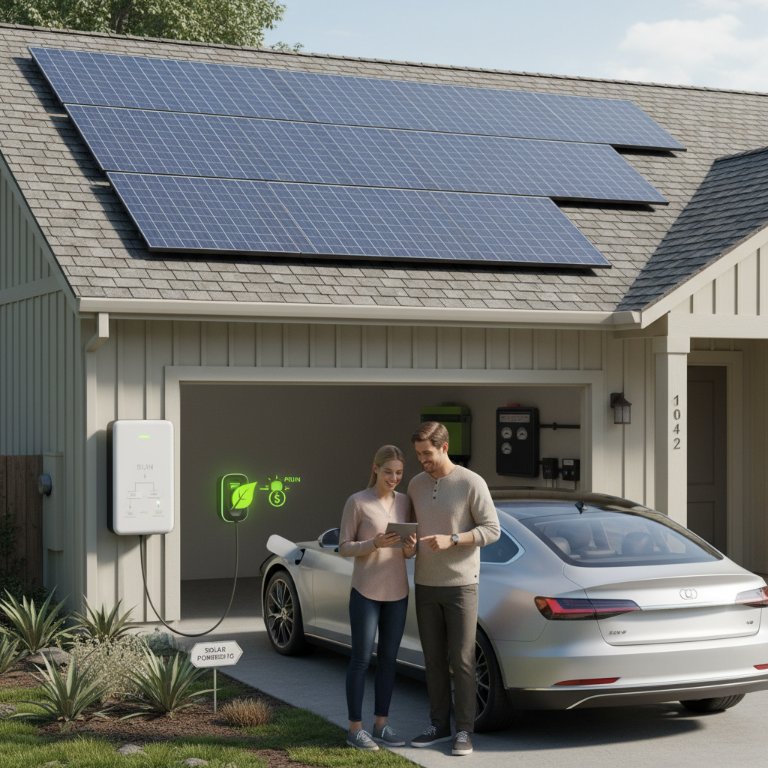
A transformative shift is underway in the electric vehicle landscape, moving beyond simply owning an EV to harnessing the sun's power for charging. A growing trend sees EV owners integrating their vehicles with rooftop solar panels and home battery backups, fundamentally reshaping the economics and environmental impact of electric transportation. This practice, increasingly lauded as 'the future' by industry observers and enthusiasts alike, promises not just significant cost savings but also a profound increase in energy independence for drivers.
For years, EV adoption has been championed for its environmental benefits and reduced reliance on fossil fuels. However, the energy source for charging—often still the grid, potentially powered by fossil fuels—has remained a nuanced point of discussion. This new, integrated approach offers a direct pathway to 'zero-emission' driving, truly maximizing the clean mobility promise. As residential electricity prices continue their upward trend, and the cost of solar technology becomes more accessible, the synergy between EVs and home solar is becoming an undeniable force, promising substantial long-term cost reductions.
The Seamless Synergy of Sun and Storage
This burgeoning trend leverages a sophisticated yet simple concept: generate your own electricity, store it, and use it to power your vehicle. Here's how this integrated system works:
- Solar Power Generation: Rooftop solar panels capture sunlight, converting it into electricity. This energy first powers the home's immediate needs.
- Battery Backup for Storage: Any excess solar energy generated during the day is diverted to a home battery backup system. This storage is crucial for charging when the sun isn't shining, such as at night or on cloudy days, and provides resilience during grid outages.
- Intelligent EV Charging: The EV is then charged using this stored, self-generated solar energy. Advanced systems, like those offered by Tesla, can even prioritize sending excess solar directly to the EV when the home battery is topped off.
This setup directly addresses two major concerns for prospective EV buyers: charging costs and grid reliance. By minimizing or eliminating the need for grid electricity for vehicle charging, owners gain remarkable control over their energy expenses, significantly reducing annual charging costs. The financial benefits are substantial, with reports indicating that charging an EV with home solar can be significantly more economical than using grid power or public charging stations. Lifetime savings can range into the tens of thousands of dollars.
Why This Matters:
This movement is far more than a niche adoption; it's a profound signal to the entire automotive and energy sectors. It underscores a fundamental shift towards decentralized energy and greater consumer empowerment.
- Who Wins? EV owners are the clear victors, achieving unparalleled energy independence, significant cost savings, and a truly zero-carbon footprint for their transportation. Solar and home battery manufacturers also stand to gain immensely from this accelerated demand. Furthermore, EV manufacturers who embrace bidirectional charging (Vehicle-to-Home or V2H capabilities) like Ford and upcoming offerings from GM and Volvo, allowing the EV to power the home, transform the vehicle from a mere consumer into a valuable energy asset, creating a potent ecosystem that benefits the consumer dramatically.
- Who Loses? Traditional utility companies face potential long-term challenges as more consumers reduce their reliance on the grid. This could necessitate a re-evaluation of business models and an accelerated investment in grid modernization and renewable energy integration to remain relevant. Public charging infrastructure providers might also see a shift in demand, especially for routine, overnight charging, though their role for long-distance travel and those without home charging remains critical.
- What Does This Signal? This trend signals the maturity of the EV market and the increasing demand for holistic, sustainable energy solutions. It's no longer just about the car, but about the entire energy ecosystem supporting it. This pushes both the auto and energy industries towards deeper integration, emphasizing smart home energy management, and potentially accelerating the adoption of V2H and V2G (Vehicle-to-Grid) technologies. The market is clearly moving towards a future where the EV is an integral part of a resilient, self-sufficient home energy system.
This convergence of electric vehicles, residential solar, and battery storage represents a pivotal moment in sustainable living. It empowers EV owners to take charge of their energy destiny, transforming their homes into personal, clean-energy fueling stations. As technology advances and costs continue to decrease, the 'solar-charged EV' is not just a growing trend; it is rapidly becoming the gold standard for environmentally conscious and economically savvy drivers, solidifying its place as a cornerstone of our future energy landscape.