Solterra Recharges Its Image: Subaru's 2026 Refresh Aims for Redemption in a Fierce EV Market
The 2026 Subaru Solterra arrives with a crucial mid-cycle refresh, marking a pivotal moment for the brand's all-electric SUV. Launched to a lukewarm r...
Editorial Team
World Of EV
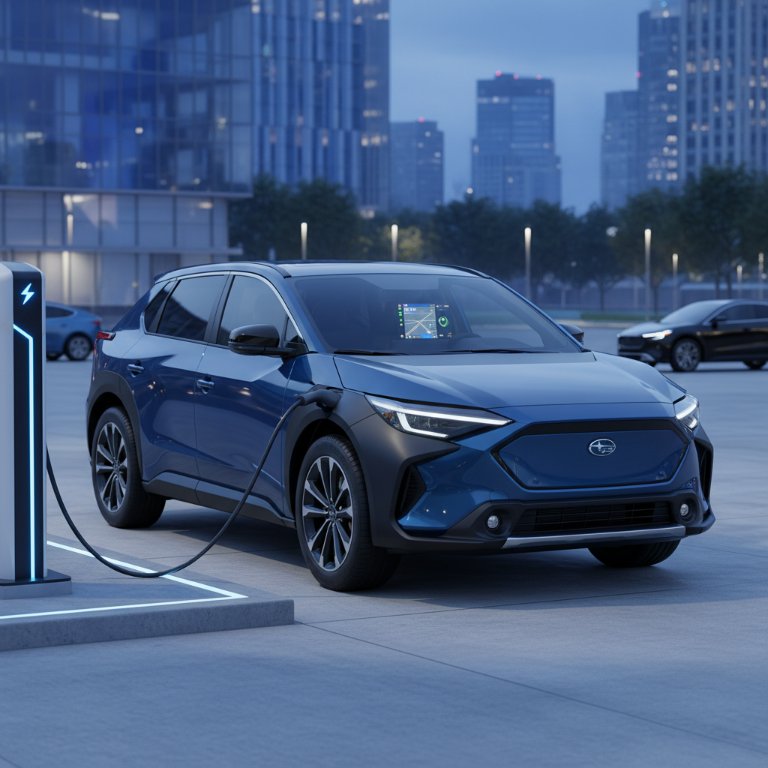
The 2026 Subaru Solterra arrives with a crucial mid-cycle refresh, marking a pivotal moment for the brand's all-electric SUV.
Launched to a lukewarm reception, the original Solterra, a collaborative effort with Toyota's bZ4X, faced a litany of criticisms from its underwhelming range and painfully slow fast-charging to its polarizing aesthetics. This comprehensive update represents Subaru's determined effort to silence the critics and carve out a more competitive niche in the rapidly evolving electric vehicle landscape.
This isn't merely an incremental update; it's a strategic recalibration, signaling Subaru’s serious commitment to enhancing the customer experience and addressing fundamental weaknesses.
Strategic Performance Overhaul Elevates Range and Charging
Subaru engineers clearly prioritized addressing the Solterra's most significant shortcomings: its range and charging architecture.
The 2026 model boasts a remarkable 27% increase in range, a significant achievement that directly tackles a major pain point for early adopters.
Intriguingly, this substantial range improvement comes despite only a marginal increase in battery capacity, suggesting sophisticated software optimization and efficiency gains at play.
This kind of efficiency leap is critical in the EV world, where every mile counts.
Coupled with this, the enhanced charging capabilities promise to alleviate the frustratingly long charging times that plagued the outgoing model, finally bringing the Solterra closer to industry expectations for road-trip viability.
Subaru's focus here indicates a clear understanding of what consumers demand from a modern EV.
- Key Powertrain Enhancements:
- 27% Range Boost: A substantial leap forward, making the Solterra more competitive for daily commutes and longer journeys.
- Optimized Efficiency: Implies advanced battery management and aerodynamic tweaks beyond just raw battery size.
- Faster DC Fast Charging: Drastically reduces wait times, improving the overall ownership experience.
Infotainment and Interior Refinements
Inside, the 2026 Solterra receives a much-needed technology upgrade, with a standard 14-inch touchscreen now anchoring the revised infotainment system.
This move not only modernizes the cabin but also enhances usability and access to vehicle functions, bringing it in line with contemporary EV offerings like Tesla's streamlined interfaces or Hyundai's impressive digital cockpits.
However, Subaru has made a peculiar design choice in some trims: the removal of the traditional glovebox in favor of radiant leg warmers.
While potentially adding a touch of luxury and comfort, particularly in colder climates, this decision raises questions about practicality and storage for some buyers, presenting a perplexing trade-off in a vehicle meant for adventurous utility.
- Interior Updates:
- Standard 14-inch Touchscreen: A substantial upgrade for infotainment, improving user interface and feature access.
- Revised Infotainment System: Promises better responsiveness and a more intuitive user experience.
- Radiant Leg Warmers: Offered in some trims, replacing the glovebox – a comfort feature at the expense of traditional storage.
Why This Matters:
This mid-cycle refresh is nothing short of a make-or-break moment for the Subaru Solterra.
The original model struggled to find its footing, often overshadowed by competitors offering superior range, faster charging, and more distinctive designs.
By dramatically improving range and charging speeds, Subaru directly tackles the core functional criticisms that deterred many prospective buyers.
This isn't just an incremental update; it’s an urgent recalibration, signaling Subaru’s recognition that its initial EV offering simply wasn't cutting it in a fiercely competitive market.
The 27% range increase without a proportional battery bump is a clear win for engineering efficiency, potentially a cost-saving measure that translates to better value or profitability, putting it in a better position against rivals like the Hyundai Kona Electric or even entry-level Tesla Model Y.
The upgraded infotainment system is a necessary step to meet modern expectations, reflecting a general industry trend towards larger, more integrated digital experiences.
However, the curious decision to replace the glovebox with leg warmers highlights Subaru's characteristic quirkiness, but also a potential disconnect with practical customer needs.
While some will appreciate the novel comfort, others, particularly families or those requiring more storage, might see it as an unnecessary compromise.
This refresh positions the Solterra as a more viable option in the compact electric SUV segment, potentially winning over buyers who value Subaru's legendary all-wheel-drive capability and adventurous spirit, now with fewer compromises on the EV front.
It's a clear signal to the market that Subaru is committed to the EV transition and learning from its initial missteps, but the ultimate success hinges on whether these improvements translate into stronger sales and a better perception of the brand's EV competence.
The 2026 Solterra's refresh demonstrates Subaru's intent to become a more serious contender in the electric vehicle space.
While the full impact on sales remains to be seen, these targeted improvements in range, charging, and interior tech offer a compelling argument for a second look.
Subaru's journey in electrification is far from over, but the updated Solterra represents a crucial, and much-needed, step in the right direction to better serve the evolving demands of EV enthusiasts and prospective buyers.