Tesla Semi Secures Landmark 370-Unit Order, Set to Revolutionize California's Electric Freight
The electric heavy-duty trucking sector just received a monumental jolt as WattEV, a frontrunner in electric freight operations, announced an order fo...
Editorial Team
World Of EV
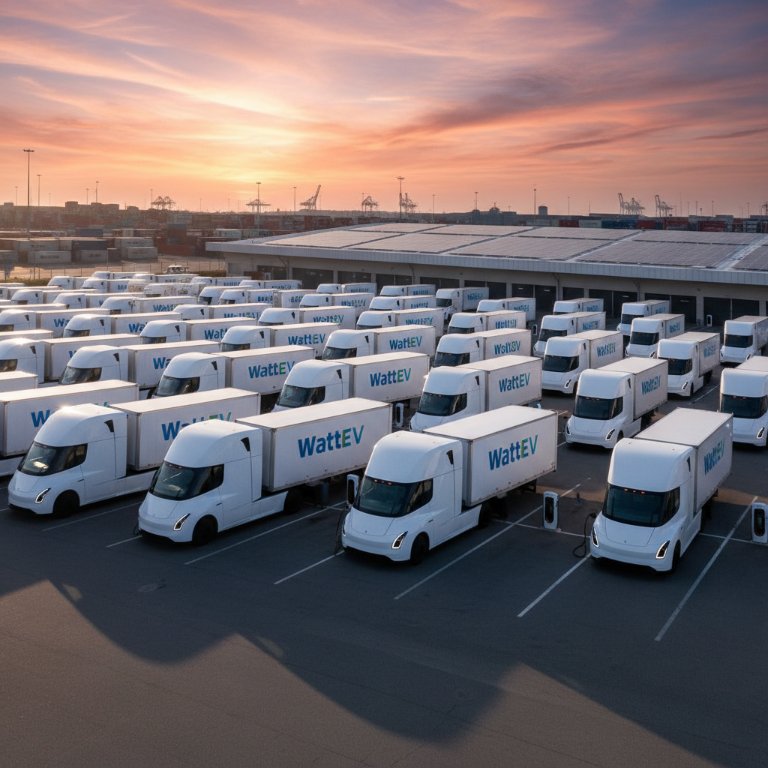
The electric heavy-duty trucking sector just received a monumental jolt as WattEV, a frontrunner in electric freight operations, announced an order for 370 Tesla Semi Class 8 electric trucks. This audacious move, valued at over $100 million, doesn't merely signify a significant investment; it marks the single largest electric truck deployment in California to date, signaling a critical turning point for both Tesla's commercial vehicle ambitions and the broader electrification of goods movement across North America.
For years, the Tesla Semi has been a fascinating, if somewhat elusive, figure in the EV landscape. Unveiled to much fanfare in 2017, the promise of a long-range, high-performance electric Class 8 truck sparked immense interest, yet its path to mass production has been characterized by iterative development and gradual rollout. While initial deployments with partners like PepsiCo offered glimpses of its potential, this new, expansive order from WattEV emphatically solidifies the Semi's arrival as a viable, scalable solution for heavy-duty logistics.
Scaling California's Electric Freight Backbone
WattEV’s strategic investment is not a standalone purchase but a foundational element of a much larger vision: the establishment of a robust electric-freight network connecting Northern and Central California. This network aims to tackle the logistical demands of one of the world's largest economies with zero-emission transport. The sheer scale of the order underscores the ambition:
- 370 Tesla Semi Class 8 Trucks: A fleet designed for high utilization across critical freight corridors.
- Over $100 Million Investment: Reflects the significant capital commitment required to transition to electric fleets.
- Port of Oakland Partnership: More than 300 of these Semis are earmarked for deployment under a joint program with the vital Port of Oakland, a key gateway for international trade, demonstrating a concerted effort to decarbonize port operations.
Deliveries of the initial 50 units are slated to commence in 2026, with the ambitious goal of having the entire 370-truck fleet fully operational by the close of 2027. This aggressive timeline speaks volumes about the urgency and confidence in electric trucking solutions within the Californian market.
Why This Matters:
This landmark order transcends a simple transaction; it's a powerful market signal with far-reaching implications for the entire transportation industry, electric vehicle manufacturers, and environmental policy.
- For Tesla: This represents a massive validation for the Tesla Semi, moving it from a niche product to a serious contender in the Class 8 segment. It provides a substantial revenue stream and critical real-world operational data at scale, which will undoubtedly inform future developments and bolster investor confidence in Tesla's diversified product portfolio. It also demonstrates Tesla's capability to secure and fulfill large commercial fleet orders, a different ballgame than individual consumer sales.
- For WattEV and Electric Freight Providers: This positions WattEV as a dominant force in the nascent but rapidly expanding electric freight sector. By committing to such a large-scale deployment and building out the necessary charging infrastructure in tandem, WattEV is setting a precedent for how electrified logistics networks can be established and operated profitably. It's a clear declaration that the future of freight is electric, and early movers will reap significant advantages.
- For California's Environment and Regulatory Goals: California has been at the forefront of stringent emissions regulations, pushing for accelerated EV adoption in all sectors. This deployment will contribute substantially to reducing greenhouse gas emissions and improving air quality, particularly in critical port areas and along frequently trafficked freight routes. It serves as a tangible demonstration of how state-level policies can catalyze large-scale private sector investment in clean technologies.
- For the Broader Trucking Industry: This order puts immense pressure on traditional diesel truck manufacturers to accelerate their electric offerings and for other EV truck startups to prove their scalability. It highlights that the market for heavy-duty electric vehicles is not a distant dream but a present-day reality. Furthermore, it underscores the critical importance of robust charging infrastructure – a challenge that will need to be met with equal vigor by utilities and charging solution providers to support such massive deployments.
WattEV's commitment to the Tesla Semi marks a pivotal moment, transforming the vision of electric freight into a tangible, large-scale reality. As the first Semis roll out in 2026, the highways of California will begin to hum with the quiet efficiency of a cleaner, electrified future, setting a powerful precedent for the rest of the world to follow.