Tesla's Triple Threat: Model 3 Plaid, Robot Factory, and a SpaceX Merger Mega-Play
Tesla, the undisputed titan of electric vehicles, is once again demonstrating its ambition to reshape not just the automotive landscape but the broade...
Editorial Team
World Of EV
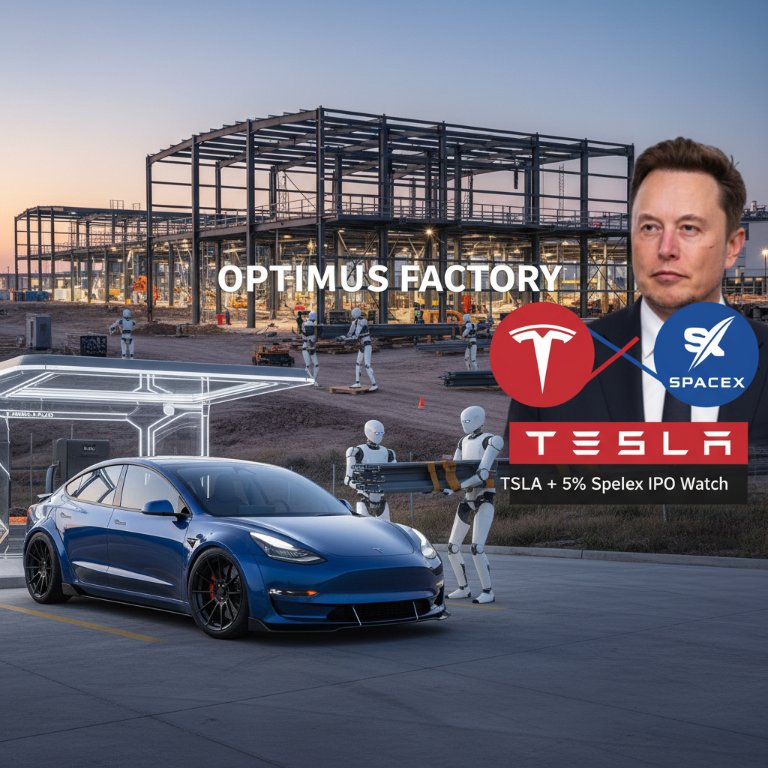
Tesla, the undisputed titan of electric vehicles, is once again demonstrating its ambition to reshape not just the automotive landscape but the broader technological frontier. Recent developments signal a multi-pronged assault on innovation, spanning the creation of an even more potent Model 3, the monumental undertaking of a dedicated Optimus humanoid robot factory, and the tantalizing prospect of a merger with Elon Musk's other aerospace giant, SpaceX. These moves collectively paint a picture of a company relentlessly pursuing vertical integration and technological dominance.
The Allure of a Model 3 Plaid
Performance enthusiasts have long salivated at the prospect of a 'Plaid' variant for Tesla's compact executive sedan, the Model 3. Lars Moravy, Tesla's Vice President of Vehicle Engineering, recently confirmed that such a powertrain has been under consideration. While the company has yet to commit, Moravy openly acknowledged the significant packaging challenges inherent in integrating the extreme power and cooling requirements of the Plaid system into the Model 3's existing architecture. This isn't just about speed; it's about pushing the boundaries of what a mass-market EV can achieve, mirroring the paradigm shift brought by the Model S Plaid which redefined supercar acceleration.
Building the Robot Future: Optimus Factory at Giga Texas
Tesla’s audacious bet on humanoid robotics is materializing at an astounding pace. Construction is officially underway for a dedicated Optimus factory at Gigafactory Texas, marked by the recent erection of its first steel structure. The scale of this endeavor is staggering, with plans to churn out an astounding ten million Optimus units annually. This dedicated facility underscores Tesla's commitment to making Optimus a foundational product, moving beyond mere R&D into serious mass production. This push for humanoid robotics is not unique to Tesla; companies like Boston Dynamics and Figure AI are also making strides, but Tesla's stated production targets dwarf current industry efforts.
The Ultimate Synergy: Tesla and SpaceX Merger Talks Intensify
Perhaps the most seismic news emanates from whispers of a potential merger between Tesla and SpaceX. Reports indicate that Elon Musk himself has engaged in discussions regarding such a union. This development has ignited intense speculation among industry analysts and betting markets, especially considering SpaceX's much-anticipated initial public offering (IPO). A merger would combine two of the most disruptive companies of the 21st century, both helmed by Musk, creating a conglomerate with unparalleled reach in electric vehicles, energy, AI, and space exploration. This move could redefine vertical integration, potentially allowing for cross-pollination of technologies like Starlink internet in Teslas, or Tesla's advanced battery technology powering SpaceX rockets.
Why This Matters:
Tesla's latest strategic maneuvers are far more than incremental updates; they represent a bold declaration of intent for global technological leadership. The potential Model 3 Plaid signals an unwavering commitment to performance within its core automotive lineup, directly challenging premium performance EVs from Porsche, Mercedes-AMG, and BMW. It underscores that Tesla will not cede the enthusiast market even as it pursues mass-market and autonomous driving ambitions.
The Optimus factory is a monumental gamble on the future of labor and industrial automation. If Tesla can achieve its aggressive production targets and successfully deploy humanoid robots at scale, it stands to revolutionize manufacturing, logistics, and even domestic work, potentially disrupting traditional labor markets and creating an entirely new economic paradigm. Tesla, by vertically integrating AI hardware and software, aims to be the undisputed leader in this nascent, but potentially transformative, sector. Competitors who are not investing heavily in similar AI-powered automation risk being left far behind.
The discussions surrounding a Tesla-SpaceX merger are truly a game-changer. This isn't merely a financial consolidation; it's a strategic move to create an industrial behemoth with unprecedented capabilities. The synergy between battery technology, advanced manufacturing, AI, and global connectivity (via Starlink) could unlock innovations currently unimaginable within separate corporate structures. This move signals Musk's desire for ultimate control and synergistic efficiency, potentially streamlining capital allocation and accelerating technological development across both entities. While regulatory bodies would scrutinize such a merger closely due to its immense market power, the combined entity would represent an unparalleled force in shaping humanity's future, from terrestrial mobility and energy to multi-planetary aspirations. This merger could create the most valuable and influential company on Earth, leaving traditional conglomerates scrambling to adapt.
Tesla is not merely an EV manufacturer; it is a technology and AI powerhouse with a vision extending far beyond roads. These ambitious projects and discussions solidify its position at the forefront of multiple cutting-edge industries, ensuring it remains a dominant force shaping the next generation of technological innovation and market dynamics.