Texas's EV Fee Hike Sparks Outcry: Are Clean Commuters Being Punished?
A simmering frustration among electric vehicle owners in Texas has boiled over, with one Reddit user voicing a widely shared sentiment: that the state...
Editorial Team
World Of EV
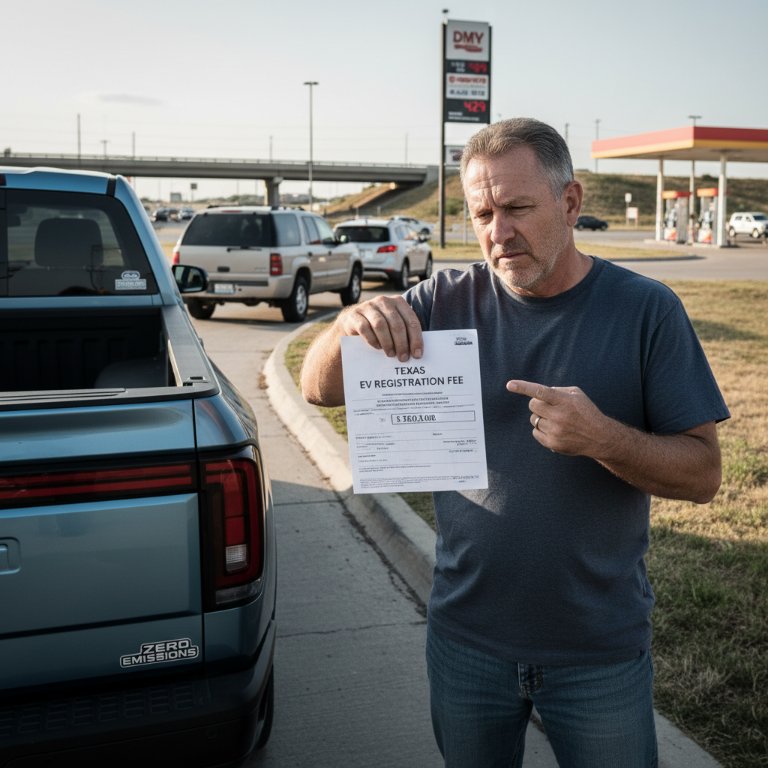
A simmering frustration among electric vehicle owners in Texas has boiled over, with one Reddit user voicing a widely shared sentiment: that the state's higher registration fees for EVs feel less like an incentive for choosing cleaner transportation and more like a punitive measure. This isn't just a Texas problem; it's a critical flashpoint in the national discussion around how states fund road infrastructure in an increasingly electrified world.
For years, states have relied on gasoline taxes to maintain roads and bridges. With the rapid acceleration of EV adoption, that revenue stream is drying up, leaving lawmakers scrambling for solutions. Texas, like many others, has opted to implement specific fees for EV owners, but the perception among those drivers is one of being disproportionately targeted, undermining the very environmental benefits they sought to achieve.
The Texas Dilemma: A 'Punishment' for Going Green?
The Texas Reddit user articulated a core complaint that resonates deeply within the EV community: are Texans choosing electric vehicles being unfairly burdened with higher road-related taxes and fees compared to owners of similar internal combustion engine (ICE) vehicles? This sentiment underscores a significant policy challenge. Early EV adopters often faced higher upfront costs, driven by a commitment to sustainability and a belief in long-term savings. When these savings are eroded by new, sometimes substantial, annual fees, the 'reward' for going green begins to feel like a penalty. The state argues these fees merely level the playing field, ensuring EV drivers contribute their share to infrastructure upkeep, much like gas car owners do through fuel taxes.
The National Imperative: Recouping Lost Revenue
The move by Texas is not an isolated incident but rather a symptom of a broader national trend. As EV sales surge, states nationwide are grappling with the impending decline in gasoline tax revenue. This isn't about singling out EVs; it's about finding a sustainable financial model for infrastructure funding. Options being explored range from increased annual registration fees for EVs (as seen in Texas) to more complex mileage-based user fees (MBUFs) or road usage charges (RUCs), which directly correlate fees with vehicle miles traveled. The challenge lies in implementing a system that is equitable, easy to administer, and doesn't disincentivize the very transition away from fossil fuels that is crucial for environmental goals.
Why This Matters:
Who Wins? State treasuries are the theoretical winners, as these fees aim to stabilize funding for critical infrastructure projects. This directly benefits all road users, regardless of powertrain type. However, the political will to implement these fees can be fraught, and the revenue collected often doesn't fully offset the projected losses from declining gas taxes.
Who Loses? Primarily, EV adopters. While most are aware of state-specific fees, the perception of being singled out can dampen enthusiasm and make the economic case for EV ownership less attractive, particularly for budget-conscious buyers. This could inadvertently slow the pace of EV adoption, hindering environmental progress. The burgeoning used EV market could also see a slight drag if annual ownership costs become significantly higher than their ICE counterparts.
Market Signal: This sends a mixed message to the automotive industry and consumers. On one hand, states are pushing for EV adoption through various incentives (tax credits, charging infrastructure development). On the other, imposing substantial fees can be seen as undermining those very efforts. Automakers, who have invested billions in EV development, need clear, consistent policy signals to guide their strategies. Conflicting policies can create uncertainty and fragment the market, making some states less appealing for EV deployment.
The Search for Sustainable Solutions: The Texas situation highlights the urgent need for a more comprehensive and forward-thinking solution to road funding. Flat annual fees, while simple, are often seen as regressive. The long-term trajectory points towards more sophisticated, distance-based funding mechanisms that could eventually apply to all vehicles, creating a truly equitable system for funding our roads in the 21st century. Until then, states like Texas will continue to navigate the challenging waters of balancing infrastructure needs with clean energy goals.
As the EV market continues its exponential growth, the tension between funding vital infrastructure and incentivizing environmentally conscious choices will only intensify. Texas's experience is a microcosm of a national challenge, forcing policymakers to innovate beyond outdated revenue models. The path forward demands creative solutions that support both economic stability and a sustainable future for transportation.