The Cybertruck Resale Revolution: Tesla Takes Direct Control of Its Secondary Market
Tesla, never one to shy away from disrupting established norms, has officially launched direct sales of pre-owned Cybertrucks from its own inventory. ...
Editorial Team
World Of EV
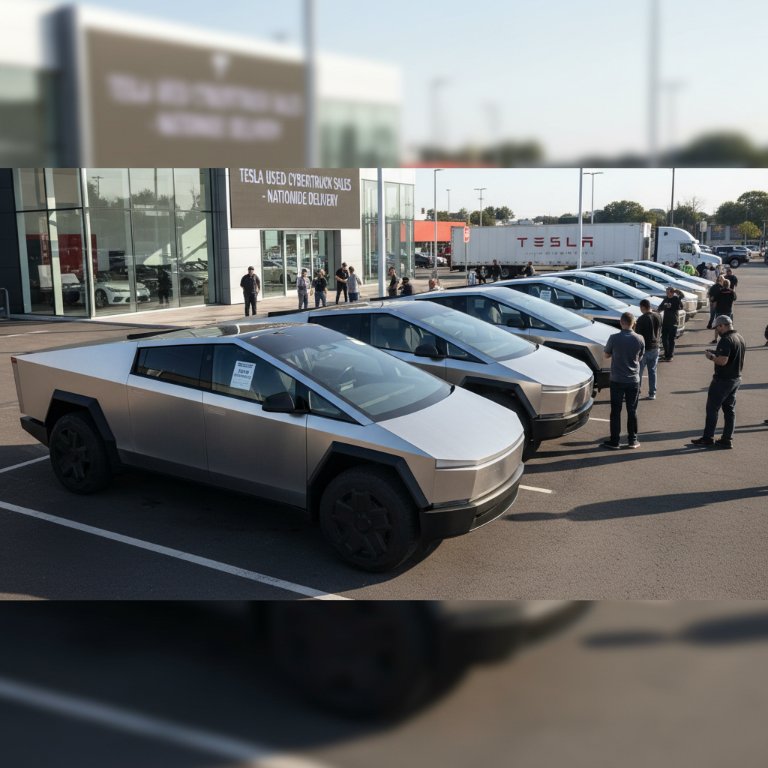
Tesla, never one to shy away from disrupting established norms, has officially launched direct sales of pre-owned Cybertrucks from its own inventory. This pivotal move signals a significant strategic shift, granting the automotive giant unprecedented control over the nascent Cybertruck secondary market and offering a new, Tesla-backed avenue for enthusiasts to acquire the polarizing stainless steel pickup.
For years, Tesla’s approach to the used car market has largely been a mix of customer trade-ins and third-party sales. This new initiative, however, places the Cybertruck squarely under Tesla's direct influence from its first owner to its second, a departure that echoes the premium strategies of established luxury automakers. The timing is particularly notable, following the removal of the highly restrictive no-resale clause for Foundation Series owners in August 2024, which initially sought to prevent early flipping and maintain market stability.
Direct from the Source: What This Means for Buyers
Prospective Cybertruck owners now have a direct, factory-backed path to ownership, complete with nationwide delivery and various free trial offers. This bypasses the typical uncertainties of private sales or independent dealerships, offering a level of confidence and transparency previously unavailable for such a highly anticipated and unique vehicle. Key benefits include:
- Tesla-backed Assurance: Vehicles are likely subject to Tesla's own inspection and reconditioning processes, providing peace of mind regarding quality and performance.
- Nationwide Accessibility: Eliminates geographical barriers, making Cybertrucks more readily available across the country.
- Free Trial Opportunities: Offers potential buyers a chance to experience the Cybertruck firsthand before committing, a strong incentive for a vehicle that often divides opinion with its radical design.
Strategic Market Control: Tesla's Long Game
Tesla's decision to directly enter the pre-owned Cybertruck market isn't merely about selling used vehicles; it’s a calculated maneuver to exert greater control over pricing and the overall secondary market experience. By managing the supply and quality of used Cybertrucks, Tesla can better stabilize resale values, protecting the investment of new buyers and bolstering the brand's premium image. This strategy also allows Tesla to capture a larger share of the profit margin that typically goes to independent dealers in the used car ecosystem. The previous no-resale clause, while controversial, highlighted Tesla's desire to manage the vehicle's market introduction carefully, and this direct sales approach is a logical, albeit less restrictive, evolution of that intent.
Why This Matters:
This move by Tesla is more than just a new sales channel; it's a profound statement about the company's evolving maturity and its long-term vision for controlling the entire lifecycle of its most distinctive product. For the savvy EV enthusiast and prospective buyer, this initiative signals enhanced consumer protection and potentially more stable pricing in a market notorious for rapid fluctuations. Those wary of purchasing a brand-new, unproven (albeit highly anticipated) vehicle now have a factory-vetted option, complete with Tesla's stamp of approval.
From an industry perspective, this solidifies Tesla's role as a direct-to-consumer pioneer, further blurring the lines between manufacturer and retailer in the used vehicle space. Traditional dealerships and independent used car vendors might find their influence over the coveted Cybertruck market significantly diminished. Tesla wins by extending its revenue streams, enhancing customer loyalty through a controlled post-purchase experience, and solidifying the Cybertruck's perceived value. It signals a company increasingly confident in its product's longevity and its ability to dictate market terms, rather than react to them.
In essence, Tesla isn't just selling pre-owned Cybertrucks; it's asserting its dominance over the entire Cybertruck ecosystem. This strategic pivot underscores a maturing automotive giant that recognizes the value in controlling not just the primary sale, but every transaction that follows. As the Cybertruck continues to carve out its niche, Tesla's direct involvement in its secondary market will undoubtedly shape its future perception and value for years to come.