The Death of EV Battery Anxiety: Landmark Data Reveals Failures Below 1.5% for Modern Vehicles
For over a decade, the single greatest psychological hurdle to mass electric vehicle (EV) adoption has been the "ticking financial time bomb" fear of ...
Editorial Team
World Of EV
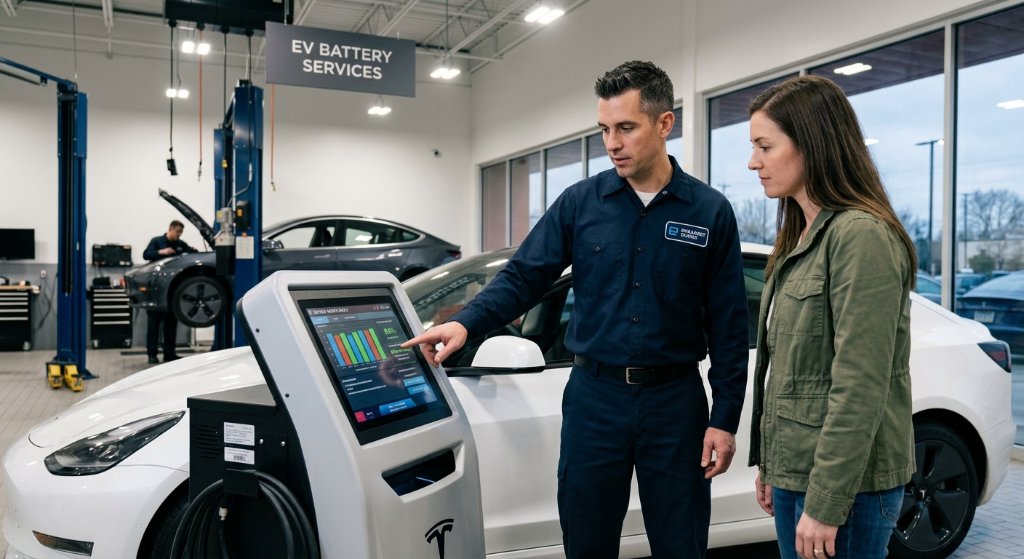
For over a decade, the single greatest psychological hurdle to mass electric vehicle (EV) adoption has been the "ticking financial time bomb" fear of battery degradation. This persistent anxiety stems from the early days of the transition, when first-generation EVs—like the original, passively cooled Nissan Leaf—baked their cells into premature obsolescence, or when high-profile recalls of Chevy Bolts and Hyundai Konas dominated the news cycle. Skeptics warned that used EV buyers were walking toward a $15,000 battery replacement cliff.
The data officially debunks that narrative. A landmark advisory review of more than 15,000 plug-in vehicles exposes a liberating truth: complete battery failure is incredibly rare. The research reveals that for the 2016 to 2023 model years, battery failure rates sit well below 1.5% outside of factory recalls. For vehicles built in 2022 and beyond, the failure rate drops to a microscopic 0.3%. Modern EV batteries do not just survive; they are increasingly likely to outlive the very chassis they power.
Sifting Through the Noise: Normal Degradation vs. Technical Faults
The challenge for the modern consumer is no longer fearing sudden pack death, but understanding the distinction between normal aging and systemic failure. According to fleet data, a healthy modern EV battery degrades at an average rate of about 2.3% per year. This gradual loss of capacity—often referred to as State of Health (SOH)—does not mean a battery is broken; it is simply normal wear.
To help owners confidently evaluate their vehicles, experts urge drivers to look for specific behavioral markers rather than relying solely on the mileage estimator on the dashboard:
- What is Normal Aging:
- The Non-Linear Drop: Batteries typically lose a few percentage points of range within the first year of ownership before the degradation curve plateaus into a very slow, linear decline.
- The Seasonal Dip: A sudden 20% to 30% drop in range during freezing winter temperatures is purely chemical and temporary. Once spring arrives, that range fully recovers.
- Highway Speeds and Cabin HVAC: Driving at 75 mph or blasting the heater will drastically reduce immediate driving range, but has zero impact on the battery's long-term health.
- Signs of Actual Systemic Faults (Requiring Dealer Diagnostics):
- Violent Percentage Jumps: If your state-of-charge indicator suddenly drops from 40% down to 10% in a matter of seconds, this indicates a failing or severely imbalanced cell block.
- Rapid, Persistent Range Loss: A dramatic, unprompted drop in overall capacity of 10% or more within a few weeks—outside of changing weather—signals physical cell damage.
- Charging Refusal or Low Limits: If a pack consistently refuses to accept a high-power fast charge or abruptly stops charging at a specific threshold (e.g., always stopping at 60%), expect an internal fault or Battery Management System (BMS) error.
How Engineering Killed the Battery Boogeyman
Relentless engineering cycles drove the collapse in failure rates from the 8.5% seen in pre-2016 models to the fraction of a percent we see today.
Unlike early, primitive air-cooled batteries, modern automotive platforms—such as GM’s Ultium, Tesla’s structural 4680 architecture, and BYD's highly praised LFP (Lithium Iron Phosphate) Blade batteries—rely on highly sophisticated liquid thermal management systems. They maintain a precise climate control loop, ensuring that cells never get too hot during high-power DC fast charging or too cold during freezing winters. Furthermore, modern BMS software actively monitors and balances individual cell voltages, preventing the micro-cracking and lithium plating that historically crippled older chemistries.
Why This Matters:
This shift in battery longevity fundamentally rewrites the EV transition in three profound ways:
- The Used Car Market Boom: Up to now, used EV residual values have suffered under the weight of consumer fear. As this real-world data disseminates, the massive depreciation hit that used EVs take will begin to stabilize. Buying a five-year-old electric car will no longer feel like a high-stakes gamble, unlocking a massive secondary market of affordable, reliable used EVs.
- A Changing Business Model for Service Centers: Traditional dealership networks rely heavily on the high-margin, complex mechanical repairs of internal combustion engines (transmissions, head gaskets, exhaust systems). This data proves that EVs require virtually no drivetrain-related maintenance over their lifetimes. This shifts the dealership model toward software updates, cabin filters, and suspension wear.
- The Pressure Shifts to Diagnostic Transparency: While physical batteries deliver incredible robustness, the lack of standardized, easily accessible battery health data remains a massive industry bottleneck. Buyers should not need to visit a dealership for a proprietary scan to know their battery's SOH. Automakers who integrate transparent, dashboard-visible battery health certificates will instantly win consumer trust and dominate the secondary market.
Conclusion
We can finally lay the phantom threat of the "dead EV battery" to rest. Modern electric vehicles prove to be mechanically superior, structurally resilient, and far more durable than early models of the past decade. As the industry pivots away from defensive myth-busting and toward transparent, software-driven battery diagnostics, consumers can confidently buy into the EV future knowing that their battery is built for the long haul.