The EV Longevity Blueprint: How Simple Engineering Hacks Can Double Your Battery Life and Save Your Winter Range
A new data-backed guide compiled by veteran EV owners and battery engineers has revealed that the secret to maximizing electric vehicle range and batt...
Editorial Team
World Of EV
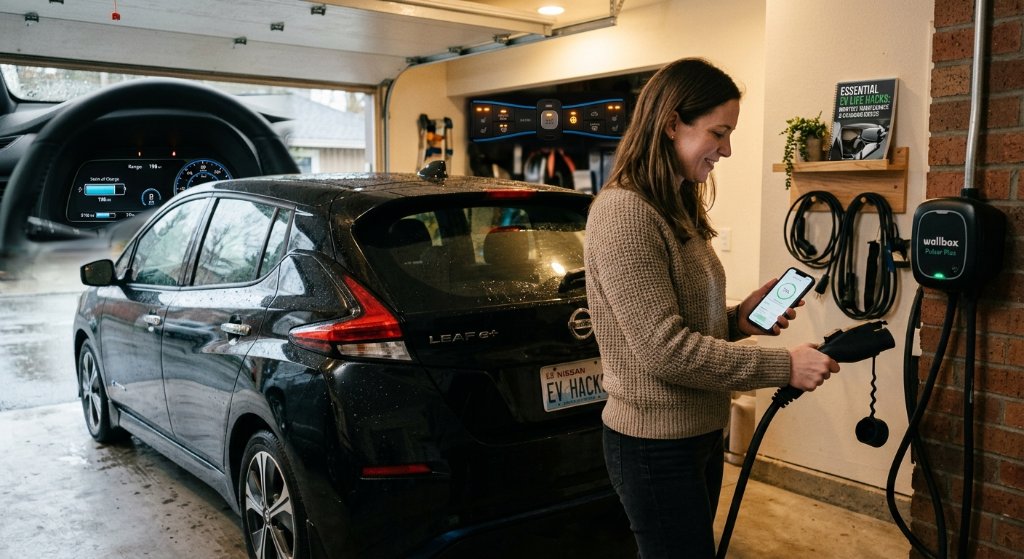
A new data-backed guide compiled by veteran EV owners and battery engineers has revealed that the secret to maximizing electric vehicle range and battery health isn't hidden in expensive aftermarket software—it is found in simple, daily behavioral adjustments. While legacy automakers have spent years trying to convince mainstream buyers that EVs require zero behavioral shifts, the realities of lithium-ion chemistry demand a smarter, more deliberate approach.
For years, early EV adoption was plagued by rapid battery degradation, famously illustrated by the passively cooled packs in the first-generation Nissan Leaf. While today’s modern liquid-cooled structural packs—such as Tesla’s 4680 cells or BYD’s ultra-durable Lithium Iron Phosphate (LFP) Blade batteries—are far more resilient, the laws of electrochemistry remain unchanged. By adopting a few optimized habits, drivers can drastically extend the utility of their vehicles.
The 20–80% Rule: Doubling Your Pack's Lifespan
The cornerstone of battery preservation is managing the State of Charge (SoC). Charging a lithium-ion battery to 100% or letting it drop to near zero creates high physical and chemical stress on the battery's cathode and anode.
- Voltage Stress Reduction: Keeping the daily charge limit set between 20% and 80% prevents the high-voltage stress that accelerates capacity loss.
- Lifespan Multiplication: Long-term data shows that avoiding the extreme ends of the charge spectrum can effectively double the cycle life of Nickel Manganese Cobalt (NMC) and Nickel Cobalt Aluminum (NCA) packs.
- The Chemistry Caveat: While LFP batteries are highly resilient and actually require occasional 100% charging to calibrate their Battery Management Systems (BMS), they still benefit from shallow discharge cycles for daily driving.
Defeating Winter Range Degradation
Cold weather is the ultimate test for electric vehicles, with some models losing up to 40% of their range when temperatures plunge. This loss isn't just because batteries perform worse in the cold; it is largely due to the massive energy draw required to heat the cabin.
- Micro-Climate Heating: Using built-in seat and steering wheel heaters instead of blasting the cabin's HVAC system can consume up to 90% less energy. Heating the driver directly is highly efficient compared to heating a large volume of cold air.
- Grid Preconditioning: Warming the cabin and preheating the battery pack while the vehicle is still plugged into the charger ensures that utility grid power, rather than onboard chemical energy, handles the heavy lifting.
- Regen Braking Retention: A cold battery pack cannot accept high rates of regenerative braking. Preconditioning warms the battery to its optimal operating temperature, preserving safety and efficiency right out of the driveway.
Why This Matters:
These optimization strategies signal a massive shift in how we must view vehicle ownership. In the internal combustion engine (ICE) era, drivers rarely had to think about preserving their engine's long-term capacity through daily refueling habits. In the EV era, driver behavior directly dictates the vehicle's long-term depreciation curve.
The winners here are informed consumers who can protect a $10,000 to $20,000 battery pack simply by adjusting their charging slider and utilizing heated seats. Conversely, the losers are legacy automakers who have failed to adequately educate the mass market. If the average buyer treats an EV exactly like an ICE car—charging to 100% daily and blasting cabin heat in sub-zero temperatures—they will suffer from premature range degradation and frustrating winter performance, ultimately fueling anti-EV narratives. This guide proves that EV efficiency is as much about human habits as it is about advanced chemistry.
Looking Ahead
As the electric vehicle market transitions from tech-savvy early adopters to mainstream drivers, the industry must prioritize intuitive software that automates these habits. Until smart charging systems and AI-driven thermal preconditioning become standard across all price points, these engineer-backed 'life hacks' remain the gold standard for getting the absolute most out of your electric investment.