The EV Usability Crisis: Why Over-Automated Cockpits Are Driving New Buyers To The Edge
Modern electric vehicles have a serious user-experience problem, and mainstream buyers are reaching their breaking point. What was once heralded as a ...
Editorial Team
World Of EV
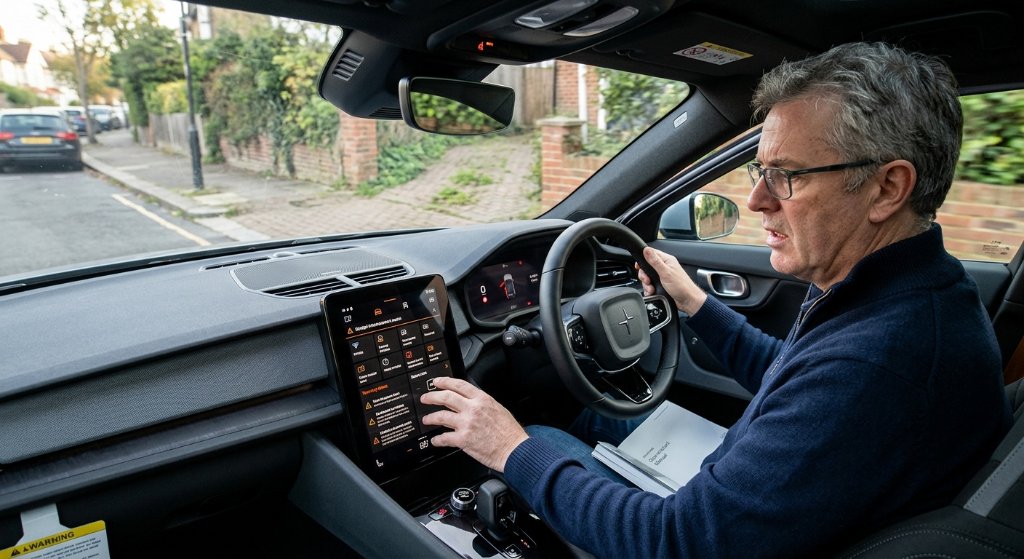
Modern electric vehicles have a serious user-experience problem, and mainstream buyers are reaching their breaking point. What was once heralded as a sleek, futuristic revolution in automotive design has fast devolved into a frustrating web of "digital friction." In a firsthand account for The Guardian, columnist Tim Dowling highlighted this exact pain point, detailing the sheer exasperation of taking delivery of a brand-new EV. From struggling to fold wing mirrors on the fly to navigate a narrow driveway, to being bombarded by cryptic, over-complicated alert pings, Dowling’s experience is far from isolated. It is a symptom of an industry-wide rush to replace intuitive mechanical controls with software-defined complexity.
After years of chasing Tesla’s minimalist, touchscreen-first design language, legacy and startup automakers alike have stripped physical buttons from their cabins. While this reduces manufacturing costs and looks spectacular in promotional brochures, it fundamentally ignores how humans actually interact with cars. The result is a steep and alienating learning curve that threatens to stall mainstream EV adoption just as manufacturers are desperate to scale.
When Basic Utility Meets Software Over-Engineering
The brilliance of traditional automotive design lay in muscle memory; a driver could adjust mirrors, change wiper speeds, or aim a vent without ever taking their eyes off the road. Today, those same operations require navigating complex, multi-tiered digital submenus. In Dowling's case, a simple, everyday maneuver—retracting side mirrors while moving to squeeze through a tight space—became an hour-long research project.
This digital friction manifests across several critical touchpoints in modern EVs:
- The Submenu Trap: Essential mechanical actions—such as mirror adjustments, glovebox releases, and headlight controls—are increasingly trapped behind digital interfaces.
- Information Overload & Alert Fatigue: Advanced Driver Assistance Systems (ADAS) frequently overwhelm drivers with a barrage of ambiguous pings, chimes, and flashing yellow warnings that create stress rather than clarity.
- Inadequate Dealership Handovers: Sales representatives often gloss over the complex software architecture of these vehicles, leaving buyers to decipher critical features like regenerative braking levels or automated lane-keep assist while actively navigating highway traffic.
The Backlash Against 'Buttonless' Dashboards
We are already seeing the first major wave of pushback against this hyper-digitization. In response to mounting consumer complaints, Volkswagen famously backtracked on its frustrating, unlit haptic steering wheel controls, returning to tactile physical buttons on vehicles like the updated Golf and ID.7.
Furthermore, safety regulators are stepping in. The European New Car Assessment Programme (Euro NCAP) has introduced rules stating that to receive a coveted five-star safety rating, vehicles must feature physical buttons, dials, or stalks for key functions, including wipers, hazard lights, indicators, and horns. This regulatory shift confirms what frustrated owners have known for years: software should enhance the driving experience, not hijack it.
Why This Matters:
This is a critical turning point for the automotive industry. As EVs transition from early-adopter novelties to mass-market essentials, the user interface (UI) is no longer a minor detail—it is a make-or-break product feature.
- Who Wins? Automakers like Hyundai, Kia, and Porsche. These brands have smartly resisted the temptation to go completely buttonless, retaining a dedicated row of physical keys for climate control and media alongside their digital displays. By prioritizing human-centric design, they are positioning themselves to capture weary buyers fleeing overly digital cockpits.
- Who Loses? Manufacturers that treat vehicles like "iPads on wheels" without refining the user journey. Removing physical controls saves money on the assembly line, but it incurs a massive hidden cost in customer satisfaction and brand loyalty.
- The Market Signal: EV adoption cannot cross the chasm into the mainstream if basic driving tasks require a computer science degree. If legacy brands want to win over the next wave of buyers, they must recognize that true innovation lies in making advanced technology invisible and seamless—not intrusive and baffling.
To successfully electrify the global fleet, automakers must bridge the gap between cutting-edge software and tactile intuition. The vehicle of the future should feel like an upgrade, not an adversary. Until the industry rebalances the relationship between touchscreens and physical buttons, the path to an EV future will remain unnecessarily rocky.