The Genesis EV's Gauntlet: A 2010 Tesla Roadster Owner's Long-Term Saga Reveals Critical Lessons
The Tesla Roadster, an undeniable icon that kickstarted the modern electric vehicle revolution, represents more than just a car; it's a piece of autom...
Editorial Team
World Of EV
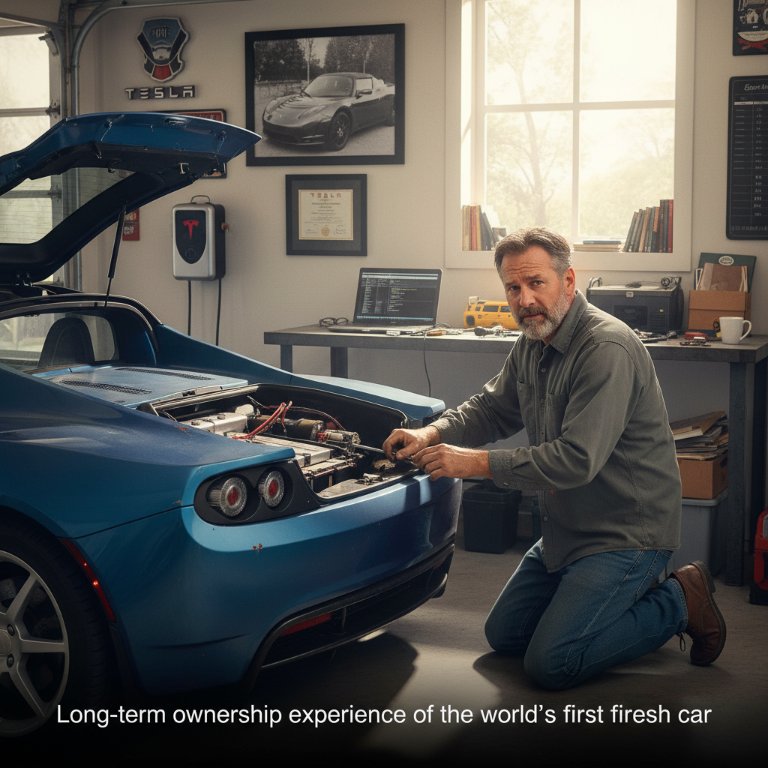
The Tesla Roadster, an undeniable icon that kickstarted the modern electric vehicle revolution, represents more than just a car; it's a piece of automotive history. For discerning collectors and passionate enthusiasts, owning one of these rare early models is a testament to foresight and appreciation for pioneering technology. However, as one dedicated owner recently revealed, the reality of living with a 2010 Tesla Roadster goes far beyond its collector's cachet, presenting significant mechanical hurdles despite its storied status. This candid testimonial illuminates the often-unseen challenges of long-term ownership for these foundational electric sports cars.
Acquiring a 2010 Tesla Roadster, especially one of the mere 26 yellow examples, by trading Tesla stock is a bold statement—a direct exchange of early investment for the very genesis of the EV movement it helped fund. This particular vehicle, born from a $5,000 investment that dramatically appreciated, showcases the journey from a nascent idea to a global phenomenon. Yet, its beauty and historical significance belie the practical demands of keeping such a specialized machine operational years down the line.
Maintaining a Pioneer: Unique Mechanical Hurdles
The journey of keeping the world's first mass-produced electric sports car on the road is fraught with complexities that differ substantially from both traditional internal combustion engine (ICE) vehicles and even modern, high-production EVs. Early electric sports cars, like the Roadster, demand specialized attention. According to the owner's account, the car required nearly three years of dedicated, expert work to achieve perfect running condition. This extended service period underscores a critical challenge: the scarcity of qualified technicians and specialized repair facilities capable of handling the intricate electronics and aging battery systems unique to these first-generation EVs.
- Battery Degradation and Replacement Costs: Lithium-ion batteries naturally degrade over time, leading to reduced range and performance. Replacing an entire battery pack in an older EV can be exceptionally expensive, often running into the tens of thousands of dollars, making it a difficult decision for owners.
- Limited Parts Availability: With low production numbers and the rapid evolution of EV technology, sourcing specific, proprietary parts for early models like the Roadster becomes increasingly difficult. For instance, the Roadster's fiberglass body means even minor dents can necessitate costly replacements of large body sections due to the absence of traditional bumpers.
- Specialized Diagnostics and Expertise: The high-voltage systems and advanced, often proprietary, electronics of early EVs require mechanics with specialized training and equipment. Generic repair shops are typically unequipped to handle these complexities, necessitating reliance on a handful of expert facilities, sometimes requiring cross-country shipping.
- Technology Obsolescence: While a part of its charm, the Roadster's 2010 technology means slower charging speeds and a 227-mile estimated range (often less in real-world driving) that simply doesn't compare to today's EVs. This gap in technology can impact usability and the availability of compatible charging infrastructure.
Why This Matters
For Current and Prospective EV Owners: It serves as a vital reminder that early adoption of any groundbreaking technology comes with a unique set of long-term considerations. While modern EVs are leaps and bounds ahead in reliability, service infrastructure, and battery longevity, understanding the pioneering challenges of the Roadster provides critical context. It emphasizes the importance of considering a vehicle's support ecosystem and potential future maintenance costs, particularly for models outside mainstream production volumes.
For Collectors and Enthusiasts: The story highlights the distinction between a static display piece and a functional, drivable classic EV. Preserving the operational integrity of these historically significant vehicles demands not just passion, but also substantial financial and logistical commitment. The scarcity of parts and specialized knowledge means that maintaining these cars as living artifacts is a true endeavor, potentially separating those who merely own from those who genuinely curate automotive history.
For the EV Industry: Tesla, and indeed the broader EV market, has learned invaluable lessons from models like the Roadster. The progression from the Roadster's maintenance complexities to the more robust, scalable service networks and component commonality of modern EVs is a testament to continuous improvement. This early experience undoubtedly informed current design philosophies focused on modularity, improved diagnostics, and long-term serviceability. It underscores the critical importance of designing for longevity and ensuring a sustainable aftermarket for an evolving fleet.
Conclusion
The long-term saga of the 2010 Tesla Roadster is a compelling narrative of ambition, innovation, and the inherent challenges of being a pioneer. While the car stands as a monument to Tesla's audacious entry into the automotive world, its ongoing mechanical demands reveal the true cost and commitment required to keep such a piece of history alive. This owner's experience is not merely a tale of individual struggle, but a powerful lesson for us all, underscoring how far EV technology and its supporting infrastructure have advanced, and what it truly means to preserve the very origins of our electric future.