The Silent Fleet Killer: Why Slow EV Repair Networks Are Threatening the Electric Transition
As commercial passenger fleets rush to electrify, a severe bottleneck is quietly threatening to derail the momentum: the agonizingly slow EV repair ec...
Editorial Team
World Of EV
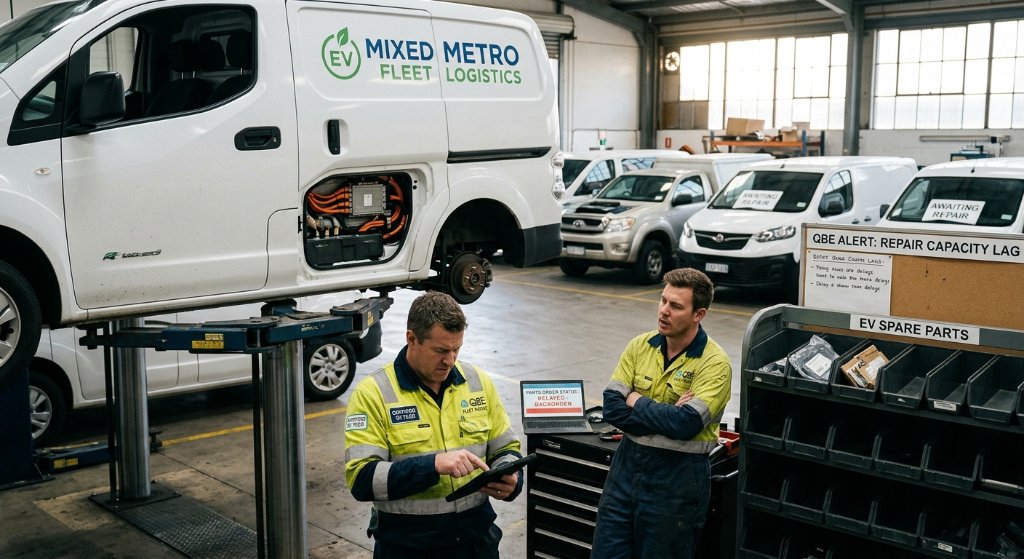
As commercial passenger fleets rush to electrify, a severe bottleneck is quietly threatening to derail the momentum: the agonizingly slow EV repair ecosystem. Insurance giant QBE recently sounded the alarm, highlighting that while electric vehicle adoption across passenger fleets is surging, the supporting maintenance infrastructure, specialized repair networks, and original equipment manufacturer (OEM) parts supply chains are lagging far behind. This mismatch is resulting in prolonged vehicle downtime, directly tanking customer satisfaction and elevating operational risks for commercial fleets.
This infrastructure lag is not a minor bump in the road; it is a structural crisis. We have already seen the real-world fallout of high repair costs and long cycle times, famously highlighted by rental giant Hertz's massive pullback from its EV fleet in 2024 due to high repair costs and depreciation. For fleet operators, a vehicle sitting in a repair bay is a vehicle losing money. Without a radical overhaul in how the industry repairs electric cars, the rapid transition to zero-emission fleets could grind to a screeching halt.
The Anatomy of the EV Repair Bottleneck
Why does an EV take so much longer to repair than a traditional internal combustion engine (ICE) vehicle? The issue is three-pronged:
- The Parts Scarcity Crisis: OEMs have focused heavily on ramping up vehicle production while neglecting downstream spare parts availability. A minor fender bender can sideline an EV for weeks while waiting for specialized components to ship, often from overseas.
- The High-Voltage Skills Gap: Working on an EV is not like working on a traditional car. Technicians must be trained in high-voltage safety to avoid catastrophic injury or death. There is currently a severe shortage of certified high-voltage mechanics, restricting repairs to a fraction of the traditional network.
- The 'Total Loss' Threshold: Because batteries make up a massive percentage of an EV's value, minor structural or battery pack damage often leads insurers to write off the entire vehicle as a total loss rather than attempting a complex, costly repair.
Rising Operational Risk for Fleets
For fleet operators, downtime is the ultimate enemy of profitability. QBE notes that each electrified vehicle entering a commercial fleet carries a unique risk profile that traditional claims history cannot yet fully predict.
- Prolonged Out-of-Service Times: Unlike ICE vehicles that can be serviced at almost any local garage within days, EVs face prolonged delays, disrupting daily route planning and driver schedules.
- Escalating Insurance Premiums: As repair times drag and the likelihood of write-offs remains high, insurers are forced to reassess risk, leading to upward pressure on commercial fleet premiums.
- Erosion of Customer and Driver Trust: Fleet operators who rely on uptime to serve their clients are facing reputational damage when they cannot fulfill service obligations due to sidelined vehicles.
Why This Matters:
This is a defining "make-or-break" moment for the commercial EV market. The bottleneck exposes a critical truth: you cannot build a sustainable EV ecosystem solely on vehicle sales; you must build the infrastructure to keep them running.
Who Wins:
- Third-Party Repair Groups & Training Academies: Companies that move aggressively to train technicians in high-voltage diagnostics and certified EV repair will capture a highly lucrative, low-competition market.
- Legacy ICE Fleets (In the Short Term): Fleet managers hesitant to transition will feel vindicated, delaying their electrification plans and sticking to traditional, easily repairable diesel and petrol vehicles.
Who Loses:
- Commercial Fleet Operators: Caught between government mandates to electrify and an immature repair network, operators bear the brunt of operational downtime and skyrocketing insurance premiums.
- OEMs Lacking Robust Parts Logistics: Manufacturers who prioritize vehicle deliveries over parts distribution will suffer heavy reputational damage. Fleets will quickly blacklist brands that cannot guarantee a reliable parts supply chain.
The Market Signal:
This warning from QBE is a clear signal to automakers that the next phase of EV competitiveness is not about range or battery specs; it is about maintainability. If OEMs want to win over lucrative commercial contracts, they must treat the aftermarket and repair supply chains as core product features, not afterthoughts.
Conclusion
The transition to electric fleets cannot succeed in a vacuum. While the environmental and operating cost benefits of EVs remain highly attractive, the operational risk of prolonged downtime is currently too high for many commercial operators to ignore. If automakers and the repair industry do not rapidly scale specialized repair capacity and streamline OEM parts distribution, the road to fleet electrification will remain frustratingly blocked.